
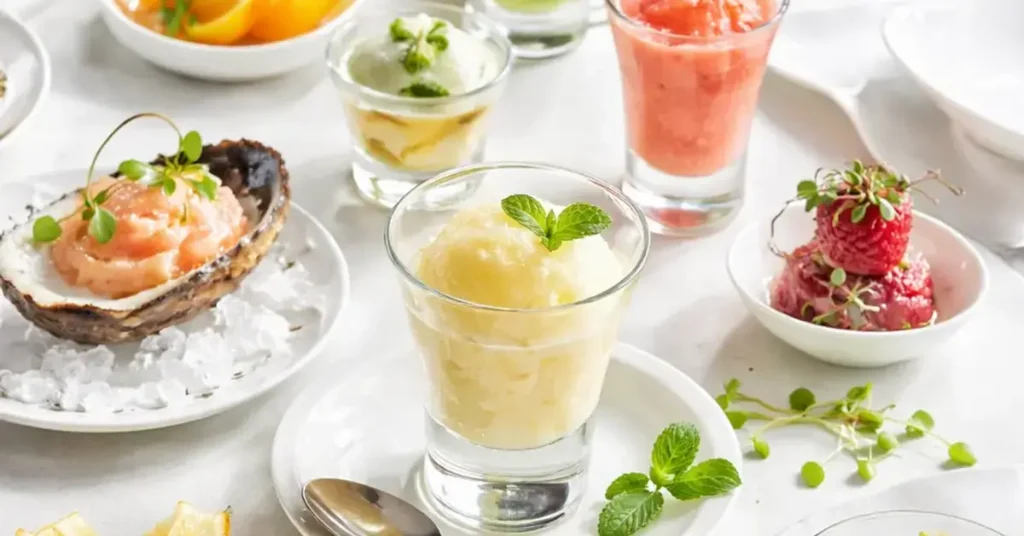
Palate Cleanser Intermezzo Key Takeaways
A palate cleanser intermezzo is a small, often refreshing course served between rich dishes to reset the taste buds and prepare diners for the next flavor experience.
- The historical purpose of a palate cleanser intermezzo is to neutralize lingering flavors and prevent palate fatigue.
- Modern chefs use this transitional course creativity to surprise guests with unexpected ingredients like herb sorbets, citrus granitas, or savory foams.
- Designing an effective intermezzo requires balancing acidity, temperature contrast, and portion control to enhance the overall dining narrative.
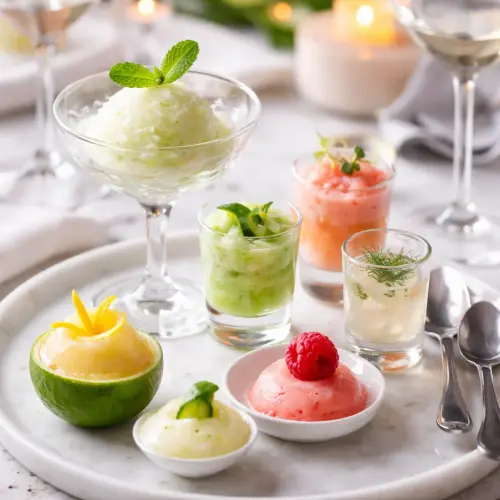
The Historical Purpose of a Palate Cleanser Intermezzo
The concept of a palate cleanser dates back to medieval banquets, where wine-soaked sponges or fragrant herbs were passed between heavily spiced courses. By the 19th century, French haute cuisine formalized the intermezzo course as a small serving of sorbet, often flavored with champagne or lemon, to separate rich meat courses from delicate fish or poultry. This pause allowed guests to reset their sensory perception and appreciate each dish’s nuances. The palate cleanser role in dining was practical—it prevented the mingling of strong flavors, ensuring that a robust sauce from one course did not overshadow the subtlety of the next.
Creative Evolution of the Intermezzo in Modern Cuisine
Today, transitional course creativity has pushed the intermezzo far beyond a simple lemon sorbet. Renowned chefs like Ferran Adrià and Heston Blumenthal have reinvented the course using liquid nitrogen to create flash-frozen spheres of fruit puree or savory broths served as warm jellies. At Noma, René Redzepi might serve a single oyster leaf with frozen sea buckthorn dust. These innovations highlight how the palate cleanser intermezzo can act as a storytelling bridge between courses, introducing a new ingredient or technique that hints at the coming dish. Even in casual dining, creative granitas made from cucumber, mint, or verjus offer a modern twist on tradition. For a related guide, see 7 Ambience and Interior Design Mistakes That Ruin Your Space.
Balancing Acidity, Texture, and Temperature
A successful intermezzo relies on three sensory pillars: acidity, texture, and temperature. Acidity, from citrus, vinegar, or fermented ingredients, cuts through fat and resets the palate’s pH balance. Contrasting textures—crunchy, silky, icy, or effervescent—create a memorable mouthfeel. Temperature extremes, like a frozen granita following a warm consommé, stimulate the senses and heighten anticipation. These factors collectively define the palate cleanser role in dining as both practical and artistic. For a related guide, see 7 Proven Starter Mistakes: Texture, Temperature and Seasoning Tips.
How to Design an Effective Palate Cleanser for Your Menu
Creating your own palate cleanser intermezzo does not require a Michelin-star kitchen. Follow these 7 smart tips to master this transitional course creativity at home or in a professional setting.
Tip 1: Understand Your Menu’s Flavor Arc
Map out the progression of your meal. If you serve a heavy, fatty course like braised short ribs, follow it with a bright, acidic intermezzo. If the next course features seafood, consider a herbal or cucumber-based cleanser that complements rather than clashes. The palate cleanser role in dining is to bridge, not compete.
Tip 2: Prioritize Acid Over Sugar
While classic sorbets are sweet, modern intermezzi often reduce sugar to keep the palate alert. Use lemon, lime, yuzu, or verjus as base flavors. A blood orange granita with a splash of balsamic vinegar offers both acidity and depth, making it a perfect palate cleanser intermezzo.
Tip 3: Incorporate Textural Contrast
Combine a silky sorbet with a crunchy tuile, or a smooth panna cotta with a tart fruit gel. The surprise of texture engages the palate and extends the transitional course creativity from simple to sophisticated.
Tip 4: Experiment with Savory Palate Cleansers
Do not limit yourself to fruit. A chilled cucumber and buttermilk soup, a tomato water consommé, or a beetroot and horseradish sorbet can cleanse while introducing umami or spice. This expands the palate cleanser role in dining beyond sweet to savory applications.
Tip 5: Control Portion Size Carefully
The intermezzo should be a tease, not a meal. Aim for two to three spoonfuls or a single bite if serving a shot or small glass. Oversized portions dull appetite rather than reset it. This precision is key to transitional course creativity.
Tip 6: Present with Visual Drama
Use transparent glasses, colored ice cubes, edible flowers, or smoke to add theatricality. A visually striking intermezzo signals that the meal is entering a new chapter. This is where the palate cleanser intermezzo becomes a memorable moment in the dining experience.
Tip 7: Test and Adjust Based on Feedback
Serve your intermezzo to a small group and ask specific questions: Did it feel refreshing? Did it prepare you for the next course? Use responses to fine-tune the balance of acid, sweetness, and texture. Mastery of the palate cleanser role in dining comes from iteration.
| Element | Traditional Approach | Modern Creative Twist |
|---|---|---|
| Base Flavor | Lemon sorbet | Yuzu, coconut, or hibiscus |
| Texture | Smooth ice | Granita, foam, or gelée |
| Temperature | Cold (sorbet) | Warm to frozen contrast |
| Presentation | Small cup | Shot glass, spoon, or edible vessel |
Troubleshooting Common Palate Cleanser Challenges
Even experienced cooks can struggle with the palate cleanser intermezzo. Here are two frequent issues and how to solve them.
Problem: The Cleanser Is Too Sweet
If diners report that the intermezzo feels heavy, reduce the sugar ratio by half or add a tart ingredient like lemon juice or green apple puree. You can also replace sugar with a low-glycemic sweetener like allulose, which does not linger on the tongue.
Problem: The Intermezzo Overwhelms the Next Course
A fierce ginger or spicy pepper granita can overpower delicate seafood. Always taste your intermezzo alongside a sample of the upcoming dish. If the contrast is jarring, dial back the intensity by diluting with a neutral liquid like cucumber juice or coconut water.
Useful Resources
For a deeper dive into the science of palate cleanser intermezzo design, explore these authoritative sources:
- Serious Eats: The Art of the Palate Cleanser – Practical recipes and technique breakdowns for home cooks.
- Culinary Backstreets: Intermezzo Traditions in Roman Dining – Cultural context and historical evolution of the course.
Frequently Asked Questions About Palate Cleanser Intermezzo
What is the difference between a palate cleanser and an intermezzo?
In modern dining, the terms are used interchangeably. Historically, an intermezzo referred to an entertainment pause between acts of a play, while a palate cleanser was specifically a food or drink served to reset the taste buds. Today, both describe the same transitional course.
Can a palate cleanser be served warm?
Yes. Warm consommés, teas, or light broths can act as effective cleansers, especially when they are herbaceous or citrus-based. The warmth can be surprising and refreshing after a cold course.
Is a palate cleanser always a sorbet?
No. While sorbet is the classic choice, modern chefs use granitas, foams, jellies, chilled soups, or even single-bite savory items like an oyster or a pickled vegetable.
How large should an intermezzo course be?
Portions are small—typically 2 to 4 ounces (60 to 120 ml) of liquid or one to two spoonfuls of a solid. The goal is to refresh, not to fill.
What ingredients make the best palate cleanser ?
Acidic fruits (lemon, lime, grapefruit), herbs (mint, basil, cilantro), cucumber, green apple, and fermented elements like verjus or kombucha are excellent choices.
Can I serve a dairy-based intermezzo?
Dairy is less common because it coats the palate. However, a light buttermilk sorbet or a yogurt mousse can work if paired with high acidity (e.g., passion fruit).
When during a multi-course meal is the intermezzo served?
Traditionally, it appears between heavier courses—for example, after a rich pasta or meat course and before a fish or lighter main. It can also follow a cheese course.
Do I need a separate intermezzo for a vegetarian menu?
Absolutely. A vegetable-based granita or a beetroot consommé works beautifully and respects dietary preferences without sacrificing transitional course creativity.
Can alcohol be used in a palate cleanser ?
Yes. Champagne, Prosecco, sake, or a splash of vodka can add a clean finish, but use sparingly so the alcohol does not dominate or linger.
What is the most important rule for a palate cleanser ?
It must cleanse, not compete. The flavor should be distinct but gentle enough that it does not overshadow the course that follows.
How do I make a palate cleanser without a sorbet machine?
Use the granita method: freeze flavored liquid in a shallow dish and scrape with a fork every 30 minutes until icy crystals form. This works for most recipes.
Are palate cleansers only for fine dining?
Not at all. Home dinner parties, holiday feasts, and even casual multi-course meals benefit from a small, refreshing pause between dishes.
What is a common mistake when designing a palate cleanser ?
Overly sweet or heavy ingredients defeat the purpose. Another mistake is serving an intermezzo that clashes with the next course’s flavor profile.
Can a palate cleanser include carbonation?
Yes. A sparkling water or kombucha base adds effervescence that physically scrubs the palate. Carbonated granitas are also popular in modern cuisine.
How do I pair a palate cleanser with a wine tasting menu?
Use a neutral flavor like raw almond milk or a subtle herb infusion that will not interfere with the next wine’s aroma. Avoid heavy spices.
What is a gelée and can it be a palate cleanser ?
A gelée is a clear, jelled liquid made with gelatin or agar. It works as a palate cleanser when flavored with citrus, herbs, or verjus and served as a single cube or sheet.
How long should I let guests rest before the intermezzo?
A 2- to 5-minute pause after the previous course is ideal. This gives diners time to finish conversation and reset mentally before the next dish.
Can I use a palate cleanser as a dessert replacement?
Not typically. The intermezzo is meant to precede a main course or dessert, not replace it. However, a light, sweet granita could serve as a pre-dessert.
What herbs work best in a palate cleanser ?
Mint, basil, lemon balm, cilantro, and tarragon are excellent. They bring freshness without overpowering acidity.
Is a shot of espresso considered a palate cleanser ?
In some European traditions, a small espresso after a meal acts as a digestif and palate refresher, but it is rarely used between courses because the bitterness can linger.