
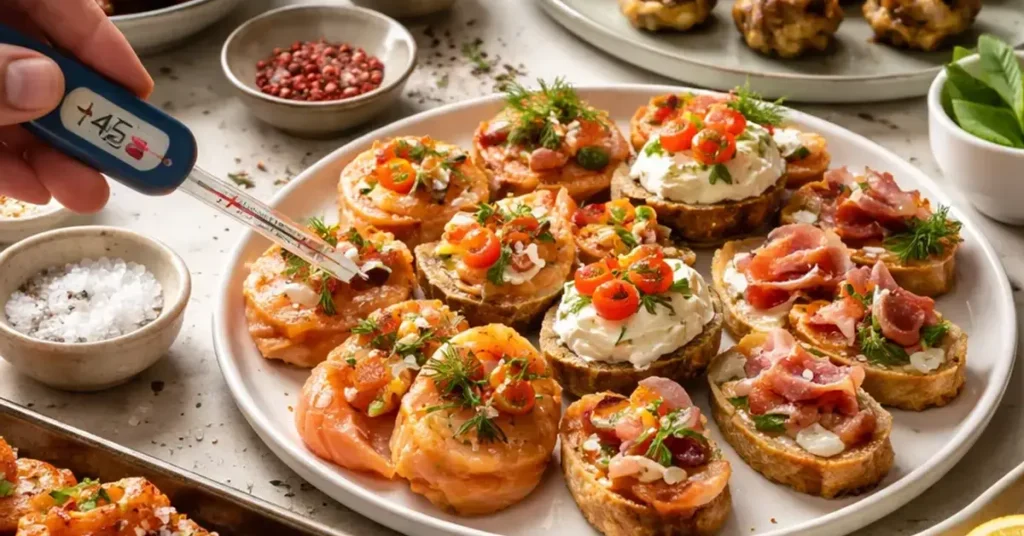
starter texture temperature seasoning Key Takeaways
When guests take that first bite of a starter, their brain registers texture first, then temperature, then flavor.
- starter texture temperature seasoning balance creates the most memorable first bite
- Temperature control can make or break delicate ingredients like seafood or cheese
- Seasoning early and in layers prevents flat, one-dimensional flavors
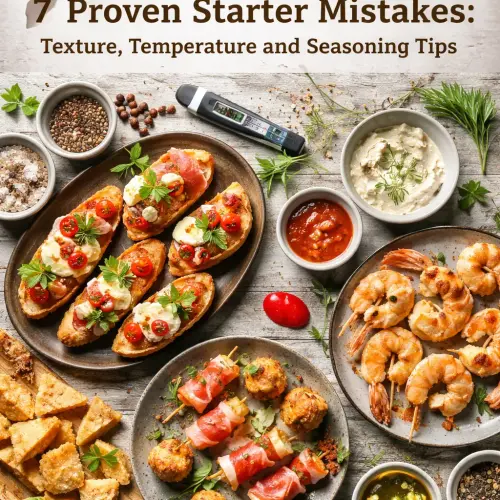
Why Starter Texture Temperature Seasoning Balance Matters Most
When guests take that first bite of a starter, their brain registers texture first, then temperature, then flavor. Getting all three right creates a harmony that feels deliberate and professional. A crisp crostini with warm, creamy topping works because it delivers contrast and comfort at once. On the other hand, a soggy bruschetta or a lukewarm scallop leaves an impression of carelessness. For a related guide, see First Impressions and Arrival: 15 Safe Tips That Protect Your Budget.
The real secret is layering sensory experiences. Appetizer texture guide experts recommend pairing at least two contrasting textures: think silky hummus topped with crunchy seeds, or a smooth pâté with a tart, crisp pickle. Temperature adds another dimension. Serving something cold next to something warm keeps the palate engaged. Seasoning must be applied at each step — not all at the end — to build depth.
Understanding Texture: The Foundation of a Great Starter
Texture is often the first quality a diner notices. A well-constructed starter considers mouthfeel from the outside in. Crisp, crunchy, creamy, chewy, and tender each have a role.
Common Texture Mistakes
One of the most frequent errors is uniformity. If every component has the same consistency, the plate feels flat. For example, a bowl of plain roasted vegetables without a crunchy topping or a creamy dip lacks interest. Another mistake is over-softening. Over-marinated tomatoes or wilted greens make a starter feel tired before it even reaches the table.
Balancing Textures Like a Pro
To avoid these pitfalls, pair a soft element with a crisp one. Serve a silky ricotta spread with seeded crackers. Add toasted nuts to a smooth soup. Use shaved vegetables for crunch on a tender crostini. The goal is surprise in every bite. The best appetizer texture guide advice is to taste your starter and ask: does every spoonful offer something new? For a related guide, see 7 Ambience and Interior Design Mistakes That Ruin Your Space.
Temperature Control: Hot, Cold, and Everything Between
Starter temperature tips often go overlooked because many dishes are served at room temperature. But temperature is a deliberate choice, not an accident. A hot appetizer served lukewarm loses its appeal, and a cold one that sits out too long becomes unpleasantly tepid.
Hot Starters: Keep the Heat
For fried or baked starters, hold them in a warm oven (around 90°C / 195°F) on a wire rack to preserve crispness. Serve on pre-warmed plates. This small step keeps food hot through the first few minutes, which is when texture is best.
Cold Starters: Stay Chilled
Cold starters like ceviche or cucumber rolls should be assembled just before serving and kept on chilled platters. If you are catering, use a shallow ice bed under the serving dish. This not only maintains temperature but adds a visual cue of freshness.
Room Temperature Done Right
Many cheese and charcuterie boards are meant to be served at room temperature, but that does not mean leaving them out for hours. Bring items out of the refrigerator about 30 minutes before serving. This allows flavors to open without risking spoilage.
Seasoning for Appetizers: Build Flavor from the Ground Up
Seasoning for appetizers is not just about salt. It is about creating layers of flavor that hit at different moments. The best chefs season each component individually before combining them.
Layer Your Salt
Add salt early to ingredients like roasted vegetables or meats so the flavor penetrates. Use finishing salt, such as flaky sea salt, just before serving for bursts of salinity. Avoid relying on heavy sauces to fix an underseasoned base.
Acid and Fat Balance
Acid — citrus juice, vinegar, pickled elements — brightens heavy starters. Fat — olive oil, butter, cheese — carries flavor and coats the palate. Taste frequently and adjust. A squeeze of lemon can rescue a starter that feels heavy or flat.
Professional kitchens follow a simple rule: season at every step, not only at the end. This is the core principle of seasoning for appetizers. It turns a predictable starter into something that lingers in memory.
Ingredient Quality in Starters: Choosing What Matters
Ingredient quality in starters is non-negotiable for home cooks who want restaurant-level results. Starters have fewer components, so each one stands out. Using fresh herbs instead of dried, real Parmesan instead of pre-grated, and peak-season produce makes a noticeable difference.
Seasonal and Local Choices
When you build a menu around what is in season, ingredients naturally taste better. A Caprese salad in August uses tomatoes that are juicy and sweet, while a winter version needs roasted peppers or heirloom varieties from storage. Visit your local farmer’s market for inspiration.
Simple Upgrades That Matter
Swap standard olive oil for a high-quality extra-virgin one. Use freshly ground spices instead of pre-ground blends. Buy whole anchovies and fillet them yourself — the flavor is cleaner and more nuanced. These small changes elevate the entire dish and keep ingredient quality in starters as the star.
For more on selecting quality ingredients, check out BBC Good Food’s guide to fresh ingredient buying.
Putting It All Together: A Sample Starter Checklist
When planning your next appetizer, run through this checklist:
- Does the starter include at least two contrasting textures?
- Is the serving temperature intentionally matched to each component?
- Has each element been seasoned separately before combining?
- Are the primary ingredients at peak quality and freshness?
- Is there an acidic or bright element to balance richness?
This list helps ensure your starter texture temperature seasoning triad is working together, not against each other.
Useful Resources
For further reading on perfecting your appetizers, explore these trusted sources:
- Serious Eats: The Food Lab’s Guide to Balanced Appetizers
- Kitchn: How to Build a Perfect Cheese Board
Frequently Asked Questions About Starter Texture Temperature Seasoning
Frequently Asked Questions About starter texture temperature seasoning
What is the most important factor in appetizer texture?
Contrast is key. Combining creamy with crunchy or soft with crisp keeps each bite interesting and prevents palate fatigue.
How do I keep fried appetizers crispy after cooking?
Place them on a wire rack over a sheet pan in a warm oven (around 90°C / 195°F). Avoid covering them or stacking until serving.
Should cold appetizers be served directly from the refrigerator?
Not always. Cheeses and cured meats benefit from 20–30 minutes at room temperature. Delicate seafood or salads should stay chilled until the last moment.
What is the best way to season a starter?
Season each component individually before assembling. Use finishing salt or fresh herbs just before serving for a final flavor boost.
How can I add texture to a creamy starter?
Top with toasted nuts, seeds, fried capers, crispy shallots, or crumbled croutons. Even a sprinkle of flaky salt adds textural pop.
What temperature should hot appetizers be served at?
Ideally above 60°C / 140°F. Use warm plates and serve immediately after plating to maintain heat.
Can I prepare appetizers ahead of time?
Yes, but assemble and garnish close to serving. Keep components separate: store crunchy toppings apart from moist bases to prevent sogginess.
How important is ingredient quality in a simple starter?
Extremely. With fewer ingredients, each one must shine. Fresh herbs, seasonal produce, and good oils make the biggest difference.
What are common seasoning mistakes for starters?
Adding salt only at the beginning or forgetting acid and fat balance. Season in layers and taste as you go.
Should appetizers be heavily seasoned?
They should be well-seasoned but not overpowering. Since appetizers often precede a main course, aim for balanced, clear flavors rather than bold intensity.
How do I fix an overseasoned starter?
Add a neutral ingredient like yogurt, rice, or bread to absorb excess salt or acid. Alternatively, serve with a mild dip.
What is the best oil for finishing appetizers?
A high-quality extra-virgin olive oil with a peppery finish works for most savory starters. Nut oils like walnut or hazelnut add distinctive flavor.
How can I add crunch to an appetizer without frying?
Use raw vegetables like radish, jicama, or apple. Toasted panko, roasted chickpeas, or seed crackers also provide crispness.
Do I need to salt vegetables before cooking for a starter?
Yes. Salting draws out moisture and concentrates flavor, especially for eggplant, zucchini, or tomatoes. Rinse and pat dry before cooking.
How do I avoid soggy bruschetta?
Toast the bread well, rub with garlic, and top with tomatoes that have been salted and drained of excess liquid. Serve immediately.
What is the role of acid in appetizer seasoning?
Acid brightens flavors and cuts through richness. Lemon juice, vinegar, or pickled vegetables add lift and balance.
Can I use dried herbs in starters?
Yes, especially in cooked dishes where they have time to rehydrate. For fresh-tasting starters, use fresh herbs or add dried herbs early in cooking.
How do I keep cold appetizers from sweating?
Pat ingredients dry before assembling. Use chilled plates and avoid overcrowding. A thin layer of oil or gelatine can also help.
What is a good starter for practicing texture balance?
Croquetas (creamy inside, crispy outside) or a layered dip like hummus with crunchy vegetables are excellent for learning contrast.
How do I know if my appetizer seasoning is right?
Taste each component separately and together. It should be flavorful but not so strong that it overshadows the main course.