
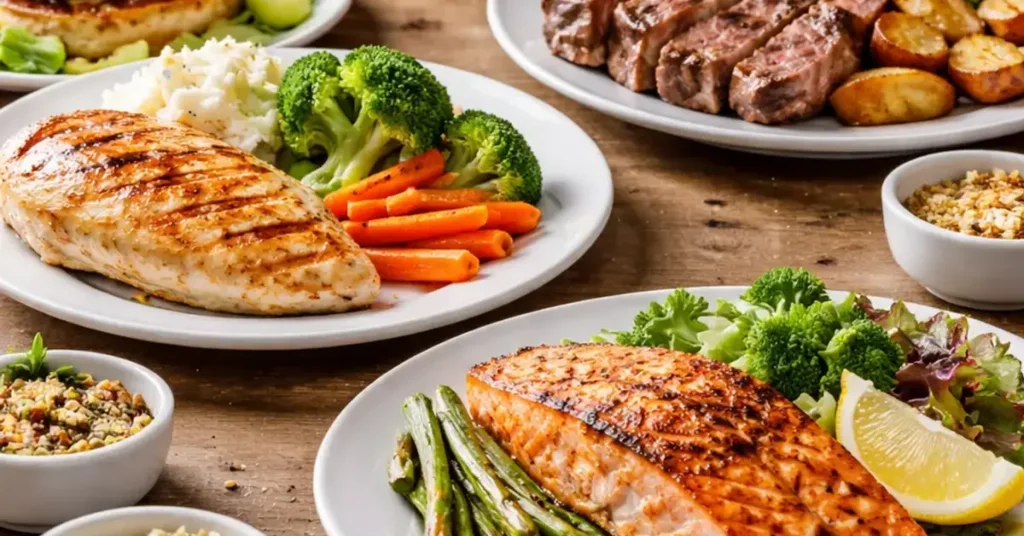
no sauce test Key Takeaways
The no sauce test is a simple yet powerful method used by savvy diners to judge a restaurant’s ingredient quality.
- The no sauce test forces kitchens to serve naked ingredients, revealing true freshness and seasoning skill.
- Chefs often react with surprise or respect when a customer requests no sauce — it signals you care about quality.
- Using this test helps you avoid frozen or pre-prepared ingredients and make better dining choices.
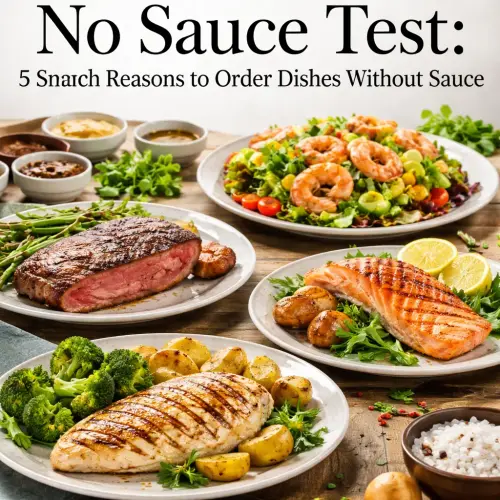
What the no sauce test Reveals About Your Food
We’ve all been there. A dish arrives at the table drenched in a glossy, fragrant sauce. The first bite is delicious — but is the sauce making everything taste good, or is the protein itself worth celebrating? The no sauce request cuts through that mystery.
When you ask for no sauce, you are essentially asking the kitchen to serve the dish in its most honest form. A great piece of fish, a well-seared steak, or a perfectly roasted vegetable doesn’t need a heavy sauce to shine. If the base ingredient is bland, dry, or rubbery, the sauce was likely there to hide those flaws. For a related guide, see Late-Night Fine Dining Experiment: 5 Key Differences from First Seating.
This isn’t about being a difficult customer. It’s about testing ingredient quality without sauce — a practice that separates average diners from experienced food critics. In fact, many top chefs respect this request because it shows you understand what truly matters in cooking.
5 Smart Reasons to Order Without Sauce
Here are the five most compelling reasons to try the no sauce test on your next restaurant visit. Each reason reveals a different layer of food quality and restaurant integrity.
1. Spot Frozen vs. Fresh Protein Instantly
Frozen fish, shrimp, or chicken often release excess water when cooked, resulting in a soggy texture that no amount of sauce can fully hide — unless the sauce is very thick. Without the sauce, you can feel the texture with your fork. Fresh protein should be firm, flakey, and have a clean, mild aroma. If it tastes like ice or cardboard, you’ve failed the no sauce test.
For example, a frozen salmon fillet will be mushy and bland when served plain. A fresh, wild-caught salmon will be moist and have a delicate natural sweetness. The difference is night and day.
2. Evaluate the Chef’s Seasoning Skills
Great chefs season at every stage — not just in the sauce. A properly seasoned piece of meat or vegetable should taste good on its own. If the dish is underseasoned when the sauce is removed, the kitchen is relying on the sauce to do the work.
This no sauce request also tests whether the chef uses salt, pepper, herbs, and marinades correctly. A well-seasoned steak needs nothing more than a light pan sear. If the kitchen can’t do that, their sauces are just band-aids.
3. See If Vegetables Are Overcooked or Old
Vegetables are especially vulnerable to the sauce trick. A rich cream sauce or a heavy tomato-based glaze can mask the fact that broccoli is limp, carrots are shriveled, or asparagus is woody. Without sauce, you can immediately judge their texture and color.
Fresh vegetables should be bright, crisp-tender, and not swimming in liquid. The no sauce test is a rapid indicator of whether the kitchen respects its produce or just drowns it in flavoring.
4. Detect Frozen or Pre-Made Ingredients
Many restaurants buy pre-made sauces, pre-seasoned frozen proteins, or par-cooked items from food distributors. When you ask for no sauce, you remove the pre-made component and expose the prepared item. A pre-breaded frozen chicken cutlet, for example, will taste like breading and oil — not chicken.
Testing ingredient quality without sauce also helps you identify whether the potato puree is fresh or from a box, whether the rice is freshly cooked or reheated, and whether the stock used to braise meats is homemade or from a cube.
5. Save Calories and Avoid Hidden Sugars
Restaurant sauces are often loaded with butter, cream, sugar, and starch to make them taste good. By ordering no sauce, you automatically reduce the calorie count and skip dozens of grams of hidden sugar. This is a smart move for health-conscious diners who want to enjoy a restaurant meal without the extra baggage. For a related guide, see Worst Surprise Tasting Menu Mistake: Avoid This Fine Dining Disaster.
And let’s be honest — a well-cooked piece of salmon with a squeeze of lemon is often more satisfying than the same fish floating in beurre blanc. The no sauce test keeps your meal clean and honest.
How Chefs and Restaurants React to the no sauce request
When you order without sauce, you may get a curious look from the server or even the chef. Here’s what usually happens behind the pass.
The Respectful Chef
Many skilled chefs appreciate a customer who values pure ingredients. They will often plate the dish with extra care, maybe adding a few drops of olive oil or a sprinkle of sea salt to ensure the no sauce test passes with flying colors. These chefs are confident in their sourcing.
The Defensive Chef
Some chefs take offense, viewing the no sauce request as a critique of their signature creation. If the dish arrives looking sad and underseasoned, you’ll know why they’re defensive. That’s a red flag — the sauce was the only reason the dish worked.
The Smart Restaurant
Top-tier restaurants often offer a “without sauce” option on the menu or allow you to customize. They’ve already passed the no sauce test because their ingredients are stellar. Look for places that list the origin of their proteins and vegetables — they’re the ones who won’t flinch.
Risks and How to Order Without Being Rude
Ordering no sauce is a powerful tool, but you don’t want to come across as demanding. Here’s how to do it with grace.
How to Phrase Your no sauce request
Say something like: “I’d love to taste the quality of the fish — could I have it without the sauce, please?” This frames the request as a compliment, not an insult.
When Not to Use the no sauce test
Avoid this test on dishes where the sauce is integral to the dish, like a classic Bolognese or a curry. The test works best on grilled, roasted, or seared proteins and vegetables with a separate sauce ladled on top. Also, don’t ask for no sauce at a fast-food chain — they won’t understand and you’ll get a dry burger.
Real-Life Experiences: The no sauce test in Action
I’ve used this method at dozens of restaurants, from casual diners to Michelin-starred spots. One time, I ordered a grilled branzino “without the salsa verde” at an Italian spot in New York. The fish was perfectly charred, flakey, and seasoned with nothing but salt and olive oil. The chef personally came out to thank me for “ordering it right.”
Another time, at a neighborhood steakhouse, I asked for a ribeye without the chimichurri. The steak was tough, salty, and tasted like it had been frozen. The chimichurri was clearly there to mask a low-quality cut.
These contrasts happen every day. The no sauce request isn’t about being difficult — it’s about being an informed diner who values honest food.
Useful Resources
For more on how to evaluate restaurant ingredient quality, check out Food and Wine’s guide to fresh ingredient indicators. Another excellent resource is Serious Eats’ The Food Lab, which covers how to test vegetable freshness at home and in restaurants.
Frequently Asked Questions About no sauce test
What is the no sauce test?
The no sauce test is a method where diners order a dish without its signature sauce to evaluate the quality of the base ingredients, such as protein and vegetables.
Why do people make a no sauce request at restaurants?
People request no sauce to avoid hidden flaws in ingredients, reduce calories, and taste the natural flavor of the food.
Is ordering no sauce considered rude?
Not if you phrase it politely. Most chefs appreciate customers who care about ingredient quality.
Does the no sauce test work on pasta dishes?
Partially. You can test the pasta itself (homemade vs. boxed) but the sauce is often integral. It’s better for protein + sauce combos.
What if the dish comes dry after my no sauce request ?
That confirms the sauce was masking dryness. A good kitchen will still season and oil the dish properly.
Can I use the no sauce test on fast food?
It’s less effective because fast food ingredients are generally frozen. But you can still spot poor texture.
Does the no sauce test reveal frozen fish?
Yes. Frozen fish often turns mushy or watery when cooked. No sauce makes that obvious.
What should I say when ordering no sauce?
Try: “I’d like to taste the fresh ingredients — could you hold the sauce on this dish?”
Does the no sauce test work for steaks?
Absolutely. A great steak needs no sauce. If the meat is bland or tough, the sauce was covering it.
What about vegetarian dishes?
Yes, especially for grilled vegetables or tofu. Sauce can hide sogginess or lack of seasoning.
Is the no sauce test only for fancy restaurants?
No, but it’s most revealing at mid-range and upscale places where ingredients matter more.
Does the no sauce test help with weight loss?
Yes. Many sauces are high in sugar, butter, and cream. Skipping them saves significant calories.
How do chefs typically react to a no sauce request ?
Reactions vary. Respectful chefs are proud; insecure chefs may get defensive. That tells you a lot.
Can the no sauce test detect frozen vegetables?
Yes. Frozen veggies release water and become mushy. Without sauce, you’ll see and feel it.
Is it okay to ask for a side of sauce instead?
Yes. That’s a gentler version of the test — you control how much you add.
Does the no sauce test apply to grilled fish?
Very much so. Grilled fish is one of the best candidates because the sauce often masks dryness.
What if I want sauce but also want to test ingredients?
Order the sauce on the side. Taste the dish plain first, then add sauce if you wish.
Does the no sauce test work on chicken dishes?
Yes. Boneless, skinless chicken breast is often dry. Sauce hides that. Without it, you’ll know instantly.
Are there cuisines where the no sauce test is less useful?
In cuisines where sauce is integral (Italian, Indian, Thai), removing it changes the dish too much. Stick to simple proteins.
Can the no sauce test be used at buffets?
Yes, but be cautious — buffet food is often held warm for hours, so texture may suffer regardless.