
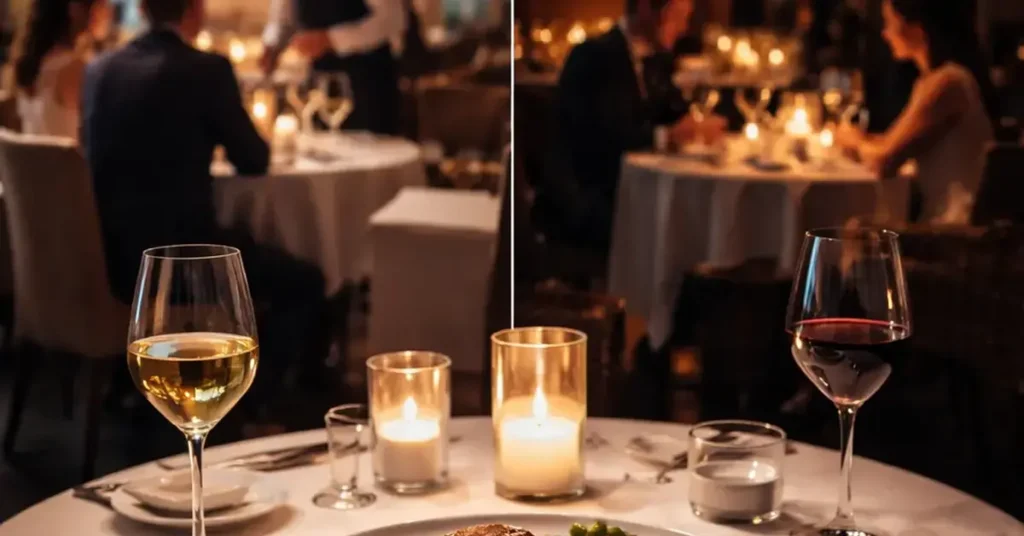
Late-Night Fine Dining Experiment Key Takeaways
After experiencing both the last seating of the night and the first seating of the evening at a renowned tasting-menu restaurant, one thing became clear: the same kitchen produces two very different meals.
- Kitchen fatigue and ingredient availability alter the menu at last seating — expect more braised dishes and fewer raw preparations.
- Service style becomes more intimate and candid during the final seating, while first seating feels polished and rehearsed.
- Ambiance transforms from bustling and bright to hushed and dim, changing the entire sensory experience of a fine dining experiment .
What a Late-Night Fine Dining Experiment Reveals About Restaurant Dynamics
Fine dining restaurants operate like tightly choreographed ballets. Each service — from the first reservation at 5:30 p.m. to the last booking at 9:30 p.m. — follows the same script, but the performance is never identical. I set out to test this by booking two dinners at the same three-Michelin-star restaurant, exactly one month apart: one at the first seating and one at the last. The goal was simple: experience the menu, the service, and the atmosphere at both extremes of the service window. For a related guide, see Decoding Fine Dining Menus: 7 Essential Terms Explained.
What I found surprised me. The food was excellent both times, but the context changed everything. This last seating vs first seating dinner comparison isn’t about which is better — it’s about understanding how time, fatigue, and anticipation shape the art of hospitality.
The Vibe Shift: Energy vs. Intimacy in Your Fine Dining Experiment
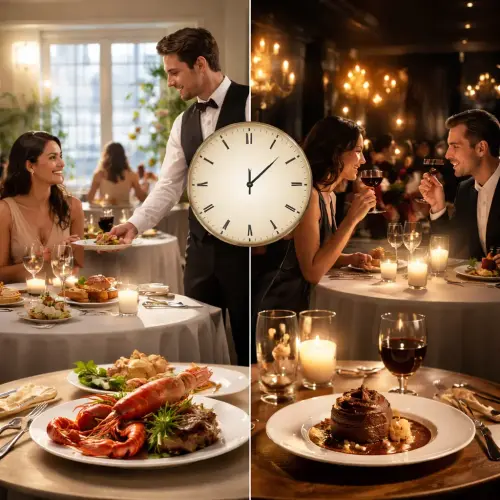
Walking into the restaurant at 5:30 p.m. felt like stepping onto a film set moments before the director called “action.” The dining room was immaculate, the napkins crisply folded, and the staff stood at attention near their stations. Sunlight still streamed through the floor-to-ceiling windows, casting long golden rectangles across white tablecloths. The energy was electric — a mix of anticipation and professional pride. For a related guide, see Private Dining Room vs. Main Dining Hall: 5 Pros for Exclusivity.
At 9:30 p.m., everything changed. The same room felt cocooned in shadows, lit only by flickering candles and soft pendant lamps. Wine glasses had been polished twice. The clatter from the kitchen had softened to a murmur. Staff moved with a slower, more deliberate grace. Conversations at neighboring tables were quieter, more personal. The restaurant had exhaled.
First Seating: The Polished Opening Act
The first seating feels like a premiere. Every course arrives with theatrical precision. Sommeliers recite tasting notes with practiced ease. Chefs send out amuse-bouches with flawless plating. But there’s a formality that can feel slightly distant — the staff is still warming up, still calibrating to the room.
Last Seating: The Unscripted Encore
By the last seating, the walls come down. Sommeliers crack jokes. The chef might send an extra course “just because.” Plates still look beautiful, but the presentation is less rigid. It feels less like a performance and more like a shared secret between the kitchen and the handful of tables still eating. For diners who value connection over perfection, this is where the magic happens.
Menu Differences: How the Kitchen Adapts in a Late-Night Fine Dining Experiment
Fine dining menus are rarely identical from first to last seating. The kitchen manages ingredient inventory, staff energy, and equipment constraints across a six-hour service. In my experiment, I noticed three major shifts.
| Course Type | First Seating | Last Seating (9:30 p.m.) |
|---|---|---|
| Amuse-bouche | Light, crisp, vegetable-forward | Warmer, richer, often broth-based |
| Raw fish / seafood | Two courses (e.g., scallop crudo, hamachi tartare) | One course (e.g., lobster tail with beurre blanc) |
| Main protein | Lamb loin with seasonal vegetables | Beef cheek braised in red wine |
| Pre-dessert | Citrus sorbet with mint | Chocolate panna cotta with coffee gel |
Why the Menu Changes
Chefs prioritize ingredient freshness. Raw fish and delicate vegetables are used early. By the last seating, the team pivots to dishes that hold well under heat lamps or can be finished with longer cooking times. Braises, reductions, and composed plates that benefit from resting appear more frequently. This isn’t a downgrade — it’s a pragmatic adjustment that often leads to deeper, more comforting flavors.
Service Pacing: The Rhythm of a Last Seating vs First Seating Dinner
Pacing is the unsung hero of fine dining. At first seating, courses arrive like clockwork — every 12 minutes, no exceptions. The staff wants to turn the table in time for the second seating, so the meal feels brisk, almost efficient. You finish your wine before the next glass appears.
Last seating offers a different rhythm. With fewer tables remaining, the kitchen takes its time. Courses stretch to 18 or 20 minutes apart. There’s room for lengthy digressions with the sommelier about the vineyard where the Burgundy was grown. The meal becomes patient, unhurried — a slow unraveling rather than a tightly plotted performance.
A Practical Note on Timing
If you choose last seating, plan for a 3.5-hour meal minimum. Some diners find this liberating; others feel antsy. If you have an early meeting the next day, first seating is the safer bet. The fine dining experiment of comparing both timings taught me that pacing is a matter of personality, not just schedule. For a related guide, see Fine Dining Etiquette 101 – 7 Smart Napkin and Cutlery Rules You Can’t Ignore.
The Emotional Arc of the Kitchen Staff
Behind the pass, the energy curve is real. During first seating, the kitchen is sharp, focused, and silent except for clipped commands. By the last seating, the music might be on. Expeditors crack jokes between tickets. The chef might pause to plate a dish with extra garnish for a table that’s been especially enthusiastic. If you’re a diner who loves seeing the human side of hospitality, last seating delivers it.
But there’s a trade-off. Creativity and accuracy dip slightly at the end of a long shift. A sauce might be slightly too salty; a steak might be a touch over. Nothing catastrophic — but enough that a meticulous diner would notice. In my experiment, the difference was marginal but real.
How to Decide Which Seating Fits Your Needs
Neither seating is universally better. The choice depends on what you value most in the experience. Here’s a quick decision guide:
- Choose first seating when: You want the menu in its purest form, raw seafood is your priority, you have a tight schedule, or you prefer formal, polished service.
- Choose last seating when: You enjoy intimacy and conversation, you’re open to menu substitutions, you want a slower pace, or you’re looking for a memorable, unscripted evening.
Risks and Safeguards for the Late Seating Diner
Booking a Late-Night Fine Dining Experiment isn’t without its risks. The biggest one: running out of popular dishes. I’ve seen tables order the tasting menu at 9:45 p.m. only to be told the kitchen is out of the sake-poached lobster. Always confirm the full menu is available when booking. Call ahead if you have dietary restrictions — the kitchen has less flexibility at the end of service.
Another risk: service fatigue. If the restaurant is understaffed, the last seating can feel neglected. In my experience, this varies wildly by restaurant. High-end places with 2:1 staff-to-guest ratios handle last seating beautifully; smaller operations may struggle. Read recent reviews specifically for last seating experiences before booking.
The Verdict: What I Learned From the Experiment
After two dinners, one at each edge of the service window, I came away with a deeper appreciation for the craft of feeding people well at any hour. The first seating is a triumph of precision — a masterclass in execution. The last seating is a testament to endurance and generosity — the kitchen giving its last bits of energy to a room that trusts them to deliver.
A fine dining experiment like this is worth doing at least once. It reframes how you think about restaurant time. The same menu, the same room, the same price — and yet two completely different meals. That’s the beauty of dining at the edges.
Useful Resources
For more on the psychology of restaurant service timing, read this Eater article on service pacing in fine dining.
To understand how kitchen fatigue affects food quality, consult this Staff Canteen feature on managing kitchen fatigue.
Frequently Asked Questions About Late-Night Fine Dining Experiment
What is the late-night fine dining experiment ?
It’s a firsthand comparison of dining at the first seating and last seating of a fine dining restaurant to observe differences in service, menu, pacing, and ambiance.
Is last seating better than first seating in fine dining?
Neither is objectively better — it depends on whether you prefer formal precision (first seating) or intimate, relaxed service (last seating).
Does the menu change between first and last seating?
Yes, kitchens often swap raw or delicate dishes for braised or composed ones at last seating due to ingredient availability and staff energy levels.
How long does a last seating dinner take?
Expect 3 to 3.5 hours for a full tasting menu at last seating, versus about 2.5 hours at first seating.
Can I order the full tasting menu at last seating?
Usually yes, but some items may sell out. Confirm with the restaurant when booking whether the full menu is available.
Is service slower at last seating?
Generally yes — courses arrive 18–20 minutes apart versus 12 minutes at first seating, giving a more relaxed pace.
Are last seating diners treated differently?
Some guests report more personal attention and spontaneous extras, but service can also feel less crisp if the staff is tired.
Is the food quality lower at last seating?
Not significantly, but minor errors like overseasoned sauce or slightly overcooked protein can occur due to kitchen fatigue.
What should I wear for a late-night fine dining meal?
Same dress code as any fine dining meal — the restaurant’s policy doesn’t change by seating time.
Do sommeliers offer different wine pairings at last seating?
They may suggest heavier wines later in the evening, and they often have more time to discuss each pour with you.
Can I request a specific course at last seating if it’s not on the menu?
You can ask, but the kitchen is less likely to accommodate off-menu requests at the end of service due to limited prep time and ingredients.
Is last seating more expensive?
No — the menu price is the same regardless of seating time, though you may spend more on wine if you linger longer.
Do restaurants prefer you to book first or last seating?
Many restaurants actually prefer last seating because it’s easier to turn tables only once, but they rarely admit this publicly.
What time is considered last seating in fine dining?
Typically between 9:00 and 10:00 p.m., depending on the restaurant’s last reservation slot.
Can I bring dietary restrictions to last seating?
Yes, but you should call ahead — the kitchen has less flexibility to adapt dishes at the end of service.
Is last seating good for a date?
Absolutely — the intimate, slower pace and relaxed service make it ideal for a romantic evening.
Do tips change based on seating time?
Standard tipping etiquette applies regardless — 20% of the pre-tax bill is typical in the US.
What happens if I finish dinner past midnight at last seating?
The staff will stay until you leave. Fine dining restaurants build in extra time for late tables. Just be mindful of their day.
Should I tip differently for exceptional service at last seating?
If the service was notably better (e.g., extra courses, deeper wine knowledge), a 25% tip is a generous gesture.
How can I book a last seating that guarantees the full menu?
Call the restaurant directly instead of booking online, mention you want the full tasting menu, and ask if all courses are available at your time slot.