
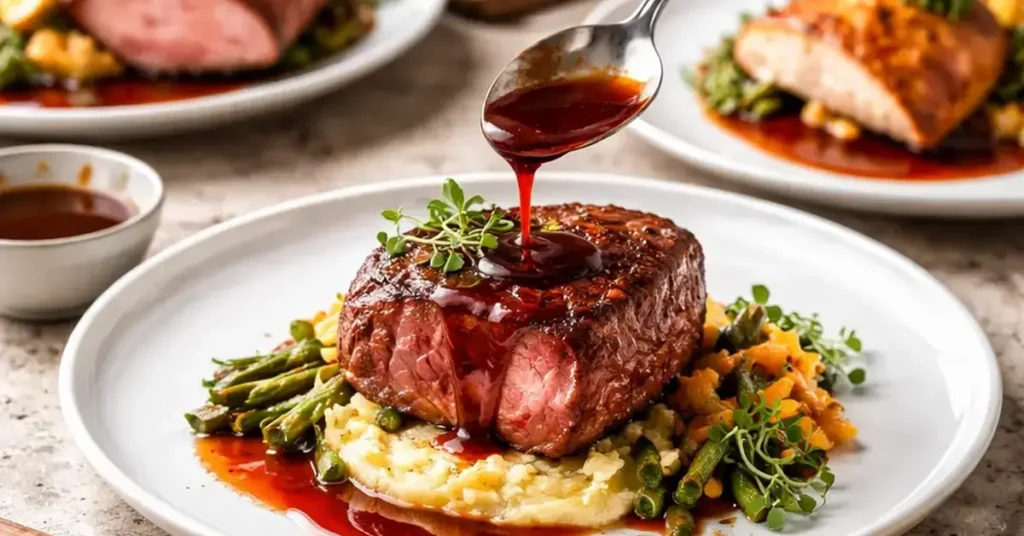
Main Course Protein cooking precision sauce work portion size Key Takeaways
The main course is the heart of any memorable meal, and mastering Main Course Protein cooking precision sauce work portion size turns a good dinner into an unforgettable experience.
- Cooking accuracy ensures your protein is juicy, tender, and safe—every time.
- Sauce techniques like deglazing and reduction add depth and elegance without extra effort.
- Protein portion size and smart plate composition create a balanced, visually stunning centerpiece.
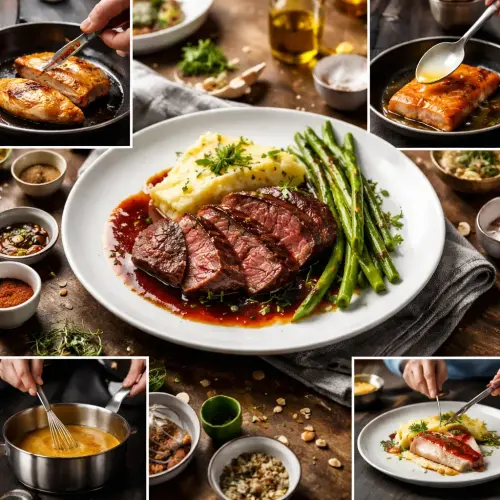
Why Main Course Protein cooking precision sauce work portion size Defines a Great Dish
The main course is where all your skills converge. A perfectly seared steak, a succulent roasted chicken, or a delicate piece of fish sets the tone for the entire meal. But even the finest protein falls flat without precision in cooking, a well-crafted sauce, and thoughtful plating. When you master these three pillars, every dinner becomes a polished presentation that guests remember.
Think of the main course as the centerpiece—the star that the rest of the plate supports. Vegetables, starches, and garnishes play supporting roles, but the protein carries the flavor and texture story. That’s why focusing on cooking precision, sauce work, and portion control is non-negotiable for anyone who loves to cook at a professional level at home. For a related guide, see 7 Smart Palate Cleanser Tips: The Intermezzo Course Role and Creativity.
Mastering Cooking Precision for Perfect Protein Doneness
Cooking precision is the foundation of a flawless main course. Without it, even the best sauce or plating can’t rescue dry meat or a raw center. Here are the key techniques to ensure your protein is cooked accurately every time.
Temperature Control: Your Best Friend in the Kitchen
Invest in a reliable instant-read thermometer. Guessing doneness by touch or time leads to inconsistency. For steak, target 130°F (54°C) for medium-rare; for chicken breast, 165°F (74°C); for salmon, 125°F (52°C) for medium. Letting the meat rest for five minutes allows juices to redistribute, locking in moisture.
Timing and Carryover Cooking
Remember that proteins continue cooking after you remove them from the heat. A steak pulled at 125°F will rise to 130°F during rest. Account for this carryover by pulling the protein 5–10°F below your target temperature. This small adjustment makes a big difference in achieving consistent doneness.
Technique Consistency: Searing, Roasting, and Sous Vide
Each cooking method requires precision. Searing over high heat creates a crust, while roasting at a steady temperature ensures even cooking. Sous vide offers unparalleled control—set the water bath to your exact target temperature, and the protein will never overcook. Finish with a quick sear for texture. Whichever method you choose, practice builds muscle memory and confidence. For a related guide, see 7 Proven Starter Mistakes: Texture, Temperature and Seasoning Tips.
Sauce Work: The Art of Sauce Techniques That Elevate Every Bite
A great sauce is more than an accent—it’s a flavor bridge that connects the protein to the rest of the plate. Mastering a few basic sauce techniques transforms a simple dish into something extraordinary.
Deglazing: Unlock Hidden Flavor
After searing meat, remove it from the pan and add liquid—wine, stock, or vinegar—to loosen the browned bits stuck to the bottom. Those caramelized drippings are pure umami. Scrape them up, let the liquid reduce by half, and finish with butter for a silky pan sauce. This technique works with chicken, pork, beef, and fish.
Reduction: Concentrate and Thicken
Reducing a sauce intensifies its flavor and thickens its texture. Simmer stock, wine, or even fruit juice until it reaches a syrupy consistency. Add herbs, aromatics, or a splash of cream toward the end. A classic red wine reduction pairs beautifully with beef; a citrus reduction brightens fish.
Emulsion: Silky, Stable Sauces
Emulsified sauces like hollandaise and beurre blanc rely on slowly whisking fat into an acidic liquid. The key is steady temperature and gradual addition. If the sauce breaks, add a teaspoon of cold water and whisk vigorously. A stable emulsion adds a luxurious mouthfeel that makes the main course feel indulgent.
Perfect Portion Size and Plate Composition for a Balanced Centerpiece
Protein portion size isn’t just about nutrition—it’s about visual balance and guest satisfaction. A well-composed plate makes the main course shine without overwhelming the diner.
Recommended Protein Weights
For an adult main course, aim for 6–8 ounces (170–225 grams) of protein. Steaks can be slightly larger (8–10 oz), while fish fillets are often 6 oz. Chicken breasts should weigh about 6–7 oz after cooking. These portions fit nicely on a standard 10-inch dinner plate and leave room for sides.
Plate Composition Rules
Follow the rule of thirds: one-third protein, one-third vegetables, and one-third starch or grains. Place the protein slightly off-center, leaning it against a mound of mashed potatoes or a bed of greens. Drizzle sauce artfully around the plate, not over the entire protein, to preserve crispy textures. Contrast colors—green asparagus next to a golden roast chicken—adds visual appeal.
Avoiding Common Portion Pitfalls
Oversized portions make the plate look crowded and throw off the flavor balance. Undersized portions leave diners unsatisfied. Use a kitchen scale when prepping until you develop an eye for weights. For family-style meals, present the protein on a platter and let guests serve themselves—this naturally regulates portion sizes.
Pro Tips for Centerpiece Plating That Wows Every Guest
Plating is the final chance to make a lasting impression. A beautiful centerpiece dish doesn’t require fancy equipment—just a few thoughtful choices.
- Use height: Stack components or lean the protein against a puree to create dimension.
- Keep it clean: Wipe the rim of the plate before serving. A smudge distracts from the food.
- Garnish with purpose: Fresh herbs, microgreens, or edible flowers should complement the flavors, not just be decoration.
- Warm plates: A cold plate cools food quickly. Prewarm plates in a low oven (200°F) for five minutes.
These small touches reinforce the care taken in main course precision and make your cooking feel restaurant-quality.
Troubleshooting Common Main Course Issues
Even experienced cooks hit snags. Here’s how to fix three frequent problems:
| Issue | Cause | Solution |
|---|---|---|
| Meat is dry | Overcooking or no resting time | Use a thermometer; rest 5 minutes before slicing |
| Sauce is greasy | Emulsion broke or too much fat | Add a teaspoon of cold liquid and whisk |
| Portion looks tiny on plate | Plate too large or sides too bulky | Use a smaller plate or reduce side portions |
Useful Resources
For deeper dives into these techniques, check out trusted sources. The Serious Eats guide to cooking temperatures and methods is a gold standard for home cooks. Also, ChefSteps offers detailed tutorials on sous vide and sauce science, perfect for advancing your skills.
Frequently Asked Questions About Main Course Protein cooking precision sauce work portion size
What is the best thermometer for cooking meat?
A digital instant-read thermometer like the Thermapen offers fast, accurate readings. It’s a worthy investment for anyone serious about cooking precision.
Should I season meat before or after searing?
Season just before searing. Salt draws out moisture, so if you season too early, the surface can become wet and prevent a good crust.
How do I stop a pan sauce from being too salty?
Dilute the sauce with a splash of water or unsalted stock, then adjust seasoning. Adding a little sugar or acid (vinegar or lemon juice) also balances saltiness.
What is the ideal protein portion for a main course?
For most adults, 6–8 ounces (170–225 grams) of cooked protein is the standard. Adjust based on appetite and the richness of accompanying sides.
How can I make a sauce without wine?
Use stock, apple cider vinegar, or even grape juice as a base. Deglaze with broth and add aromatics like garlic and thyme for depth.
What’s the best way to rest meat?
Place the cooked meat on a warm plate or cutting board, tent loosely with foil, and let it rest for about 5 minutes per inch of thickness.
Why does my sauce look dull instead of glossy?
A glossy sauce usually needs a final swirl of cold butter. The fat emulsifies and adds shine. Also, ensure you’ve strained out any solids.
How do I know when fish is perfectly cooked?
Fish should flake easily with a fork and be opaque throughout. For salmon, a temperature of 125°F (52°C) yields a moist, medium doneness.
What is carryover cooking and why does it matter?
Carryover cooking is the residual heat that continues cooking food after it’s removed from the heat source. Pull meat 5–10°F below target to account for it.
Can I prepare sauce in advance?
Yes. Most sauces reheat well. Store in the fridge and warm gently, whisking in a knob of butter just before serving to revive the texture.
How do I plate a main course for a dinner party?
Keep it simple. Place protein off-center, add a vegetable and starch, then drizzle sauce in a deliberate pattern. Less is more.
What causes a steak to turn grey instead of brown?
Steaming instead of searing. Make sure the pan is hot enough and the meat is dry before adding it. Crowding the pan also causes greyness.
Is it okay to use frozen meat for a main course?
Yes, but thaw it completely in the refrigerator. Pat it dry before cooking to ensure even browning and accurate temperature readings.
How do I thicken a sauce without flour?
Reduce the sauce by simmering, or puree some of the vegetables from the pan. You can also use a cornstarch slurry (1 tablespoon cornstarch mixed with 2 tablespoons cold water).
What’s the best oil for searing protein?
Use oils with a high smoke point like avocado, grapeseed, or canola. They withstand high heat without burning and won’t impart off-flavors.
Should I add sauce to the plate before or after plating?
Adding sauce after plating lets you control the amount and keeps the protein’s surface crisp. A small pool under the protein works well.
How do I prevent chicken breast from drying out?
Pound the breast to an even thickness, cook to exactly 165°F, and let it rest for 5 minutes. Brining for 30 minutes beforehand also helps.
What is a good simple sauce for pork chops?
Deglaze the pan with apple cider or white wine, add chicken stock, a spoonful of Dijon mustard, and finish with butter. It’s quick and delicious.
How do I adjust cooking time for thicker cuts of meat?
Use a reverse sear: cook the meat low and slow (250°F oven) until it reaches 10°F below target, then sear in a hot pan. This ensures even cooking.
What’s the best way to present a family-style main course?
Slice the protein and arrange it neatly on a large platter, surrounded by roasted vegetables and herbs. Let guests serve themselves.