
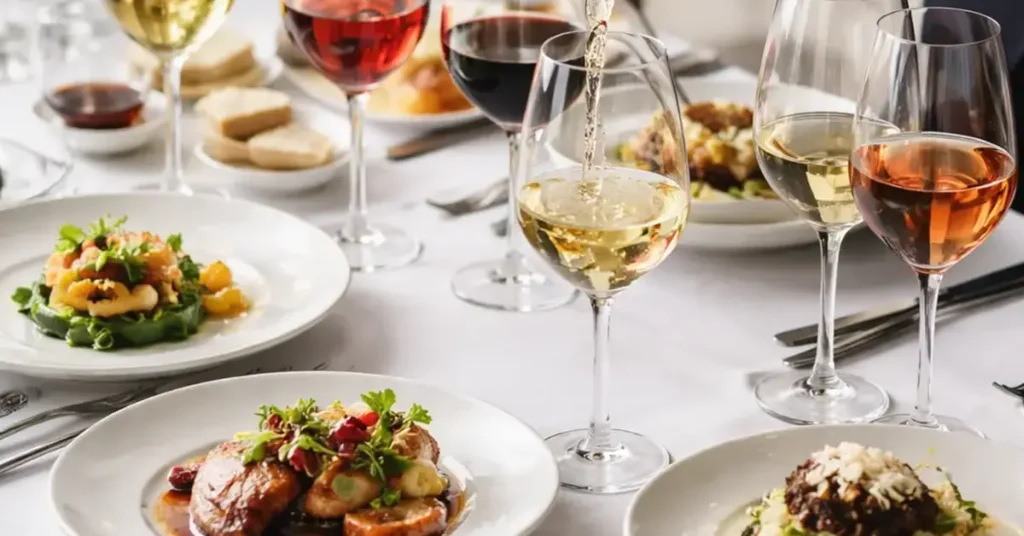
wine pairing for tasting menus Key Takeaways
Mastering wine pairing for tasting menus is about more than just choosing a red or a white.
- Sommeliers match the weight of the wine to the weight of the dish, not just the color.
- Complementary and contrasting pairings both have a place—knowing when to use each is the secret.
- Acidity, sweetness, and tannins are powerful tools for balancing flavors across a tasting menu.

Understanding the Art of Wine Pairing for Tasting Menus
Pairing wine with a full tasting menu is fundamentally different from pairing with a single main course. A multi-course experience demands a progression—each glass should set up the next bite, not overwhelm the palate. For a related guide, see Worst Surprise Tasting Menu Mistake: Avoid This Fine Dining Disaster.
Professional sommeliers approach a wine and tasting menu as a journey. They start with lighter, crisper wines for delicate courses and move toward fuller-bodied, more complex selections as the meal builds. The goal isn’t just to avoid clashes—it’s to create moments where the wine and food elevate each other. For a related guide, see 7 Expert Drink Pairing Mistakes to Avoid in Any Beverage Program.
Why Tasting Menus Challenge Traditional Pairing Rules
Traditional advice—”red wine with meat, white wine with fish”—only scratches the surface. A tasting menu might include a seared scallop with brown butter, followed by a slow-braised short rib. The same white wine won’t work for both.
Instead, sommeliers think in terms of structure: Is the dish rich or delicate? Is the sauce acidic or creamy? Does the wine need to cleanse the palate or reinforce a flavor? These questions guide every pairing decision.
7 Expert Tips for Sommelier Wine Pairing Success
These seven principles will help you pair with confidence, whether you are designing a menu or simply ordering at a restaurant.
1. Match Weight and Intensity First
Before you think about flavor, match the body of the wine to the weight of the dish. A light, vibrant Albariño works with raw oysters; a rich, oaked Chardonnay stands up to lobster bisque. If the wine is heavier than the food, it masks the dish. If it is too light, it gets lost.
2. Use Acidity as a Cleansing Tool
High-acid wines act like a palate scrubber. They cut through fat and refresh the mouth between bites. That is why sommeliers love Sauvignon Blanc or Grüner Veltliner with fried foods, creamy sauces, or buttery fish.
When building a wine pairing for tasting menus, include at least one high-acid wine early on to reset the palate.
3. Let Sweetness Balance Heat and Spice
Spicy dishes—think Thai curry or Korean fried chicken—can make tannic red wines taste bitter and metallic. Instead, a slightly off-dry Riesling or Gewürztraminer mellows the heat and complements the sweetness of caramelized ingredients.
This is a classic example of contrast pairing: the sugar soothes the burn while the wine’s acidity keeps it fresh.
4. Complement Flavors That Already Work Together
When a dish features a dominant flavor note—earthy mushrooms, for instance—choose a wine with similar notes. A Pinot Noir with forest-floor undertones pairs beautifully with mushroom risotto. The wine echoes the dish, creating harmony.
Complementary pairing is intuitive and safe for beginners. It is the go-to method when you already know the flavor profile of the wine.
5. Contrast When the Dish Needs Relief
Rich, heavy dishes sometimes need a contrast, not a complement. A salty, crispy duck confit can overwhelm a round, fruity Merlot. Try a tannic, structured Nebbiolo instead—the tannins cut through the fat, and the wine’s acidity balances the richness.
The art lies in knowing which approach fits the course. Sommeliers often combine both, using a complement for one course and a contrast for the next.
6. Consider the Progression Across Courses
A tasting menu is a sequence. Start with dry sparkling, move to light whites, then medium-bodied reds, and finish with fuller reds or sweet wines. Avoid back-to-back heavy wines—give the palate a break with a crisp, mineral-driven white between rich courses.
This flow is the backbone of every professional sommelier wine pairing for a multi-course meal.
7. Don’t Forget the Wine’s Own Story
Finally, pair with intention. A wine from the same region as the cuisine often works naturally—Barolo with a Piedmontese truffle dish, for example. The shared terroir means the elements evolved together, and they tend to fit together.
Even when the dish is globally inspired, that regional logic can guide you toward surprisingly satisfying matches.
Practical Tips for Pairing Wine with Tasting Menus at Home
Applying these principles at home is easier than it sounds. Here are three actionable steps to get started.
Start with a Checklist
Before you open the wine rack, list each course and note the dominant flavor: Is it acidic, creamy, spicy, earthy, or sweet? Then assign a wine structure—light + crisp, medium + fruity, full + tannic—for each course. You will naturally avoid mismatches.
Pour Smaller Glasses for Each Course
Tasting menus involve many wines. Pouring a standard 150 ml for each course means the guest finishes tipsy before dessert. Instead, pour 75-90 ml per serving. That small amount is enough to appreciate the pairing without overdoing it.
Keep a Palate Cleanser Between Courses
Plain bread or unsalted crackers help reset the palate between wines. Water is essential. If you have two strong reds in a row, offer a sip of mineral water and a bite of something neutral—it will make the second wine taste as fresh as the first.
Sample Pairing for a Six-Course Tasting Menu
Here is a concrete example to illustrate all the principles in action. Assume a spring menu with seasonal ingredients.
| Course | Wine | Pairing Principle |
|---|---|---|
| Amuse-bouche: radish, dill, citrus | Champagne (Brut) | High acidity + bubbles cleanse palate |
| Starter: seared scallop, brown butter | White Burgundy (Chardonnay) | Weight match + complementary richness |
| Vegetable course: asparagus, pea purée | Grüner Veltliner | High acidity cuts vegetal bitterness |
| Fish course: pan-seared sea bass, fennel | Sancerre (Sauvignon Blanc) | Mineral + herbaceous complement |
| Meat course: lamb, rosemary jus | Rioja Reserva (Tempranillo) | Tannins cut fat, oak complements herb |
| Dessert: lemon panna cotta, berries | Moscato d’Asti | Slight sweetness matches fruit, acidity balances cream |
Notice the progression: sparkling → white → lighter red → fuller red → sweet. Each wine is chosen for either complement or contrast, and no two wines fight for the same palate space.
Useful Resources
For a deeper dive into the science behind wine and food chemistry, consult Wine Folly. Their pairing guides break down acid, tannin, and sweetness in real-world examples. For a comprehensive list of classic regional pairings, Decanter is a trusted source. Their sommelier panel regularly publishes tasting menu recommendations that reflect current vintage conditions.
Learn more at Wine Folly – Food and Wine Pairing Guide and Decanter – Tasting Menu Pairings.
Frequently Asked Questions About wine pairing for tasting menus
What is the golden rule of wine pairing for tasting menus?
Match the weight of the wine to the weight of the dish. A light wine with a heavy dish disappears; a heavy wine with a light dish dominates.
Can I serve red wine with fish in a tasting menu?
Yes, if the fish is rich and the wine is low in tannins. A light Pinot Noir with salmon or a Beaujolais with tuna works well.
How many wines should I serve with a 6-course tasting menu?
Between four and six wines. You can skip a wine for a course or double up with a small glass for two courses if one wine fits both.
What wine pairs with spicy Thai dishes in a tasting menu?
An off-dry Riesling or a Gewürztraminer. Their slight sweetness cools the heat, and their acidity keeps the pairing fresh.
Should I always start a tasting menu with sparkling wine?
It is a good habit, not a rule. Sparkling wine’s bubbles and acid wake up the palate. But a light white like Vermentino also works.
What does and quot;match weight and quot; mean in practice?
If the dish feels substantial—think steak or risotto—choose a full-bodied wine. If the dish feels light—raw fish or salad—choose a light-bodied wine.
Can I use rosé in a tasting menu pairing?
Absolutely. A dry rosé works as a bridge between white and red courses, especially with grilled vegetables or charcuterie.
What is the best wine for a cheese course?
It depends on the cheese. Hard cheeses like Comté love Chardonnay; blue cheeses need something sweet like Sauternes or Port.
How do I pair wine with a dessert course?
The wine must be at least as sweet as the dessert. A fruit tart works with late-harvest Riesling. Chocolate needs something like Banyuls.
What if I only want to serve one wine for the entire tasting menu?
Choose a versatile medium-bodied wine like a sparkling rosé or a Cru Beaujolais. It will not be perfect for every course, but it will work decently with most.
Is it okay to mix old-world and new-world wines in one menu?
Yes. The origin matters less than the structure and style. A New Zealand Sauvignon Blanc can sit comfortably next to a Burgundy Pinot Noir.
Do I need to decant red wines for a tasting menu?
If the red is young and tannic, decanting for 30 minutes helps. For older wines, just open them gently before serving.
What is a common mistake in wine pairing for tasting menus?
Serving two wines in a row that are too similar. This bores the palate. Vary the style—light to medium, then medium to full.
How does acidity affect pairings?
Acidity cuts through fat and refreshes the palate. It is crucial for rich or fried dishes and also prevents wine from tasting flat.
Can I pair wine with vegetarian tasting menus this way?
Yes. The same principles apply. Pair earthy vegetables with earthy reds, green vegetables with herbaceous whites, and umami dishes with slightly richer wines.
What temperature should I serve each wine?
Sparkling and light whites: 6-8°C. Medium whites and rosés: 8-10°C. Light reds: 12-14°C. Full reds: 15-18°C. Sweets: 6-8°C.
How do I pair wine with a multi-course meal that includes soup?
Match the wine to the soup’s dominant ingredient. A creamy mushroom soup needs a rounded white like Viognier; a tomato soup needs a high-acid red like Barbera.
What wine pairs with a bitter salad course?
A high-acid white like Sauvignon Blanc or a slightly sweet wine helps tame bitterness. Avoid tannic reds—they intensify the bitterness.
Should I choose wines from the same country as the cuisine?
It often works because regional cuisines and wines evolved together. But it is not a rule—what matters is flavor compatibility.
Is it necessary to have a cheese course wine?
Not always. You can serve the last red wine from the previous course with a hard or semi-soft cheese. For a dedicated cheese course, choose a fortified wine.