
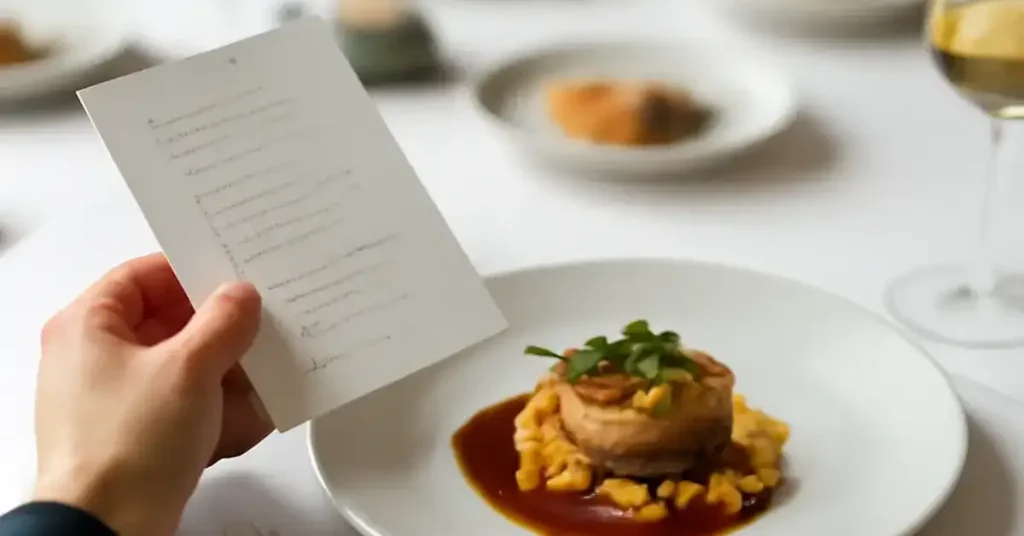
tasting menu length Key Takeaways
Choosing the ideal tasting menu length depends on your audience, occasion, and the chef’s culinary vision.
- A shorter tasting menu length (6–8 courses) suits casual fine dining, lunch events, or first-time tasters.
- Mid-length menus (10–12 courses) balance depth and endurance, ideal for celebratory dinners and food-focused audiences.
- Extended formats (20 courses) demand a full evening commitment and a seasoned palate, best for exclusive culinary showcases.
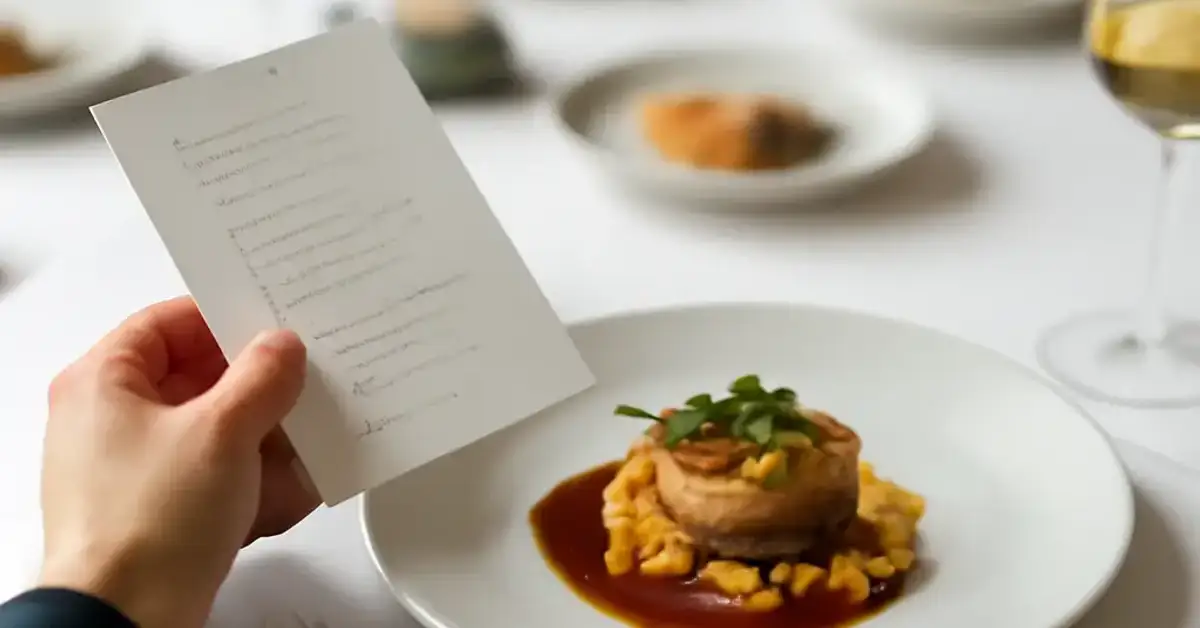
What Defines a Great tasting menu length
Every chef wants the meal to tell a story through courses. But the right tasting menu length must fit the room: a business lunch group may not stay three hours, while a birthday party at a Michelin-starred restaurant expects a longer arc. Beyond personal preference, the menu length affects kitchen workflow, ingredient cost, and how satisfied guests feel at the final bite.
Portion size adjusts with course count. In a 6-course menu, each plate is generous. In a 20-course progression, bites become precise, sometimes single-mouthful compositions. The experience also depends on timing — short waits between small courses keep energy high; long pauses kill momentum. Understanding these trade-offs helps you make an informed choice. For a related guide, see Christmas Eve Tasting Menu Guide – 7 Essential Mistakes to Avoid.
Step-by-Step Process for Choosing the Right Length
Follow this structured approach to match tasting menu length to your event. Each stage brings you closer to a decision that satisfies both the diner and the chef.
Step 1: Define the Occasion and Audience
Ask who is coming and why. A corporate dinner with clients typically runs 2–2.5 hours, so 6 to 8 courses work well. A foodie date night or special anniversary can handle 10–12 courses over 3 hours. For a destination food experience — a once-in-a-lifetime chef’s table — 15 to 20 courses become part of the draw.
Consider dietary restrictions, too. More courses mean more chances to safely substitute allergens or preferences without ruining the flow. But very long menus can overwhelm diners who are not adventure-eaters.
Step 2: Match Course Count to Available Time
Allocate roughly 15–20 minutes per course for a relaxed pace, including service and storytelling. Multiply the number of courses by that average: a 6-course menu takes 1.5–2 hours, 8 courses about 2–2.5 hours, 12 courses around 3–3.5 hours, and 20 courses may stretch 4–5 hours. If your venue or guests have a fixed end time, back-calculate the maximum tasting menu length.
Step 3: Evaluate Kitchen Capability
Not every kitchen can execute 20 distinct plates at a high level. Talk with the chef about their station setup, number of cooks, and signature dishes. A tight kitchen may prefer 8 courses they can perfect rather than 12 that feel rushed. If the chef suggests fewer courses with better execution, trust that advice — it reflects on the entire experience.
Step 4: Consider Budget and Price per Guest
Longer menus cost more in ingredients, labor, and time. Predict a general price trajectory: 6-course menus often range $75–150 per person, 8 courses $100–200, 12 courses $150–300, and 20-course experiences can exceed $400. Be transparent with your party about the price tier. A shorter menu with elevated ingredients (truffles, caviar, aged meats) often feels more luxurious than an extended menu with filler courses.
Comparative Analysis of 6, 8, 12, and 20 Courses
This comparison shows how each tasting menu length stacks up across key criteria.
| Course Count | Typical Duration | Ideal For | Price Range (pp) | Pacing Style |
|---|---|---|---|---|
| 6 courses | 1.5–2 hours | Lunch, business events, beginners | $75–150 | Relaxed, larger portions |
| 8 courses | 2–2.5 hours | Anniversaries, casual dinner parties | $100–200 | Balanced, moderate portions |
| 12 courses | 3–3.5 hours | Celebrations, true food lovers | $150–300 | Steady progression, smaller bites |
| 20 courses | 4–5 hours | Exclusive events, degustation connoisseurs | $300–500+ | Extended, micro-portions |
The table highlights: 6-course menus suit shorter, lighter occasions; 8-course menus provide a happy medium; 12-course menus offer depth without exhausting guests; 20-course menus are reserved for special culinary journeys.
Common Mistakes to Avoid When Selecting a tasting menu length
Chefs and event planners sometimes make predictable errors. Being aware of these pitfalls helps you choose smarter.
Picking a Number Without Considering the Venue
You might love the idea of a 12-course menu, but if the restaurant space has small tables and a tight kitchen, the experience may feel cramped and slow. Always confirm that the venue can physically and logistically support the chosen course count.
Ignoring Guest Fatigue
Even passionate eaters hit a wall. After 10 courses, the palate tires, and appetite wanes. If your group includes people who rarely eat tasting menus, lean toward 6 or 8 courses. For a dedicated food audience, 12 courses usually feels like a treat, not a test. The 20-course format should only be offered if guests explicitly request a marathon degustation.
Underestimating Service Time
Many planners forget to account for pauses between courses — clearing plates, resetting silverware, and the chef’s plating time. An 8-course menu can run 2.5 hours if the service team is thorough. Overpromising on time leads to rushed courses and disappointed diners.
Optimization Tips for the Best Dining Experience
Once you lock in the tasting menu length, these adjustments elevate the meal.
- Balance textures and temperatures. Alternate hot and cold courses, crunchy and soft elements, to keep the palate engaged across any length.
- Incorporate a palate cleanser. A single sorbet or citrus granita between savory and sweet courses refreshes guests — especially valuable in menus of 10 courses or more.
- Communicate the timeline. Let guests know the approximate duration and number of courses when they book. This sets expectations and reduces surprise if the meal runs long.
- Offer a shorter option as a prelude. For 12- or 20-course menus, consider a “light” version (6–8 courses) as a concurrent option so less hungry diners can still enjoy the evening without feeling overwhelmed.
- Wine pairing matters more with longer menus. For 12+ courses, ask the sommelier to adjust pour sizes or split pairings into half-glasses to keep guests clear-headed through the final course.
Useful Resources
For deeper reading on menu design and fine dining planning, these sources offer expert perspectives:
- Fine Dining Lovers – Tasting Menu Etiquette and Logistics – An article covering pacing, portioning, and guest expectations across different course lengths.
- Restaurantware – How to Improve the Tasting Menu Experience – Practical tips for chefs on balancing course count with service quality.
Frequently Asked Questions About tasting menu length
Frequently Asked Questions About tasting menu length
Is a 6-course tasting menu too short for a fine dining experience?
Not at all. A 6-course menu can be highly refined and satisfying, especially for lunch, lighter dinners, or guests new to tasting menus. It allows the chef to highlight quality over quantity.
How long does a typical 8-course tasting menu last?
An 8-course menu typically lasts 2 to 2.5 hours, including short pauses between courses. This makes it suitable for a relaxed dinner without a full-evening commitment.
What is the ideal occasion for a 12-course tasting menu ?
A 12-course menu is ideal for milestone celebrations, food-focused dates, or special events where guests expect depth and storytelling. It requires about 3+ hours.
Can a 20-course menu be enjoyable for everyone?
Not always. It’s best reserved for true food enthusiasts who relish a long, theatrical experience. Casual diners or those with short attention spans may find it exhausting.
How does portion size change between 6 and 20 courses?
With 6 courses, each plate is larger — similar to a full appetizer or main. With 20 courses, portions shrink to 1–3 bite servings to prevent overfilling before the end.
What is the most popular tasting menu length in Michelin-starred restaurants?
Many Michelin-starred restaurants offer 8 to 12 courses as their standard signature menu. This range balances culinary expression with guest comfort and service timing.
Should I choose a tasting menu based on the chef’s reputation?
Yes. If the chef is renowned for a particular style or ingredient, trust their recommended course length. A chef’s tasting menu is often their most refined offering.
How many courses are too many for a first-time tasting menu guest?
Stick to 6–8 courses for first-timers. This avoids palate fatigue and time pressure, helping them enjoy the experience without feeling overwhelmed or rushed.
Does a longer tasting menu always cost more per person?
Generally yes. More courses mean more ingredients, labor, and table time. However, a shorter menu with luxury ingredients can cost as much as a longer one with simpler produce.
Can I mix course lengths within a group?
Many restaurants allow guests at the same table to choose different menu lengths. This is a great way to accommodate varied appetites and budgets while keeping the group together.
How important is wine pairing for a 20-course menu?
Extremely important. A 20-course progression needs thoughtful wine pairings — usually with smaller pours — to keep guests engaged and to complement the diversity of dishes.
What should I do if I’m still hungry after a 6-course menu?
You can add an extra course à la carte or ask the restaurant if a cheese course or dessert supplement is available. Many chefs are happy to customize on request.
Do chefs prefer a specific tasting menu length?
Chef preferences vary. Some love the challenge of 20 small dishes; others prefer 8 courses where each plate is a complete statement. Discuss the chef’s style before booking.
Is a 12-course menu too long for a lunch service?
Usually yes. Most lunch services run 1.5 to 2 hours, making 6–8 courses a better fit. A 12-course menu at lunch may feel rushed or too heavy for the middle of the day.
How can I prepare for a 20-course tasting menu ?
Eat lightly earlier in the day, stay hydrated, and pace yourself. Wear comfortable clothing, and let the server know if you need a break between courses.
What is the difference between a tasting menu and a degustation menu?
The terms are often used interchangeably, but degustation usually implies a longer, more artistic progression (10–20+ courses) while a tasting menu can be shorter (6–12).
Can a tasting menu be vegetarian or vegan?
Absolutely. Many restaurants offer plant-based tasting menus at any length, from 6 to 20 courses, using vegetables, grains, and innovative plant proteins. For a related guide, see Chinese New Year Fine Dining: 5 Best Reunion Dinner Tasting Menus.
How do I choose between an a la carte meal and a tasting menu ?
If you want flexibility and control over what you eat, go à la carte. If you trust the chef and want a curated, multi-course journey, choose a tasting menu.
What happens if I need to leave early during a long tasting menu ?
Notify your server at the start. Many kitchens can adjust service to wrap up earlier or box the remaining courses (though not all dishes travel well).
Do you tip differently based on tasting menu length?
Tip on the total bill (typically 15–20% in the US), not per course. Longer menus involve more service but standard gratuity percentages apply. Confirm if service is already included.