
Christmas Eve tasting menu guide Key Takeaways
A well-planned Christmas Eve tasting menu transforms a standard dinner into a memorable journey of small, artful courses.
- Balance rich flavors with lighter courses to avoid overwhelming palates and ensure each dish shines.
- Test all pairings and cooking times ahead of the event to reduce last-minute stress and surprises.
- Incorporate dietary accommodations into the menu design, not as an afterthought.
Why a Christmas Eve Tasting Menu Guide Matters for Your Holiday Dinner
Crafting a tasting menu is an art—especially on a night as special as Christmas Eve. Unlike a traditional multi-course meal, degustations emphasize small portions with deliberate flavor progression. Without a solid plan, even experienced hosts can fall into traps like repetitive textures or overly heavy dishes. This Christmas Eve tasting menu guide helps you anticipate pitfalls so your evening feels polished, not chaotic.
Whether you are a home cook or a professional chef, the goal is to create a cohesive narrative through food. Each course should tell a part of the story, from a bright starter to a comforting finale. Below, we break down the most common mistakes and how to avoid them.
Mistake 1: Overloading the Menu with Heavy Dishes
A festive degustation should feel indulgent yet balanced. Many hosts load up on butter, cream, and roasted meats, forgetting that smaller portions require lighter elements for contrast. Without something acidic or fresh, the meal becomes cloying.
How to Fix It
Include at least one course with citrus, vinegar, or herbs. For example, after a rich scallop starter, serve a fennel and blood orange salad. This palate cleanser prepares guests for the next savory bite. A well-structured holiday tasting menu ideas collection often pairs velvety soups with crisp garnishes to maintain interest.
Mistake 2: Ignoring Wine and Beverage Pairings
A tasting menu without thoughtful pairings feels incomplete. Guests may struggle to match their drinks with each course, leading to clashing flavors. Wine, non-alcoholic cocktails, or even tea can elevate the experience.
Simple Pairing Strategies
Start with a dry sparkling wine or a floral spritzer for appetizers. Transition to a light red or a mulled cider for the main course, and finish with a dessert wine or a spiced chai. Testing two options per course ensures you find a harmonious match without overspending. This festive degustation guide recommends labeling each glass with course numbers to avoid confusion.
Mistake 3: Skipping Dietary Accommodations
Nothing disrupts a flow more than a guest unable to eat a course. Whether due to allergies, religious restrictions, or personal preferences, ignoring dietary needs creates awkward moments.
Plan Inclusive Courses
Design at least two courses that are naturally gluten-free or vegetarian. A wild mushroom risotto, for instance, works for many diets and feels luxurious. Communicate with guests a week before the event and note their requirements. Then, adjust your Christmas Eve tasting menu accordingly, swapping ingredients without sacrificing quality.
Mistake 4: Mismanaging Course Timing
Timing is critical in a degustation. Gaps between courses can kill momentum, while rushing leaves plates half-finished. A typical tasting menu spans 2–3 hours for 5–7 courses.
Create a Timeline
Prep as many components as possible in advance. Pre-plate garnishes, have sauces warm on the stove, and set out serving utensils. Use a timer or a smartphone alert to keep pace. If a course requires last-minute cooking, follow it with a cold dish that buys you extra minutes. This Christmas Eve tasting menu guide suggests practicing the sequence once before the big night.
Mistake 5: Using Repetitive Flavors or Textures
Repetition makes a menu feel monotonous. If every course features cream sauce or roasted root vegetables, guests tire quickly.
Variety Within a Theme
Even with a winter theme, vary your ingredients. Use seafood for one course, poultry for another, and a fruit-based dessert. Play with temperature: serve a cold shellfish dish followed by a warm broth. Contrast smooth purées with crunchy toppings. These small shifts keep the palate engaged and make your holiday tasting menu ideas feel creative and well-rounded.
Mistake 6: Neglecting Portion Control
Tasting menus are about quality, not quantity. Oversized servings defeat the purpose and overwhelm guests. Each course should be two to three generous bites—enough to taste without feeling full. For a related guide, see 5 Best Deepavali Fine Dining Tasting Menus: Expert Guide.
Standard Portion Sizes
For appetizers, aim for 1.5–2 ounces of protein. For mains, 3–4 ounces. Desserts can be a small quenelle of sorbet or a single bite-sized tart. Use smaller plates to visually fill the dish without adding extra food. This festive degustation guide recommends pre-plating all courses to control amounts uniformly.
Mistake 7: Forgetting the Atmosphere
A tasting menu is an experience, not just a meal. Poor lighting, loud music, or cluttered tables distract from the food. The ambiance should support the narrative of the evening.
Set the Scene
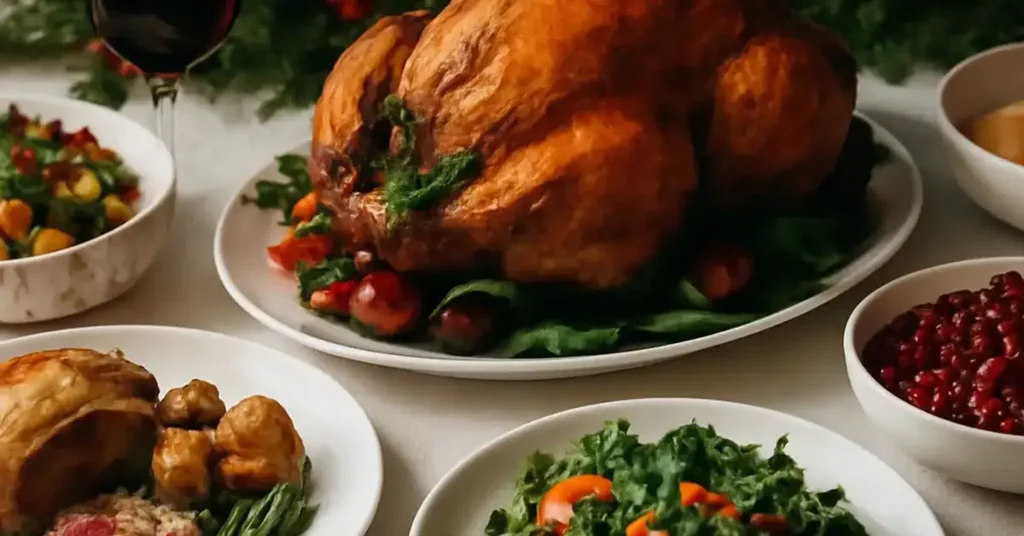
Dim overhead lights and use candles for a warm glow. Choose a playlist of soft jazz or classical music at a low volume. Clear clutter off the table between courses. A simple centerpiece of evergreen branches and cranberries adds a festive touch without blocking sightlines. This final touch ensures your Christmas Eve tasting menu feels intentional and inviting.
Useful Resources
For more inspiration on balancing flavors and planning pairings, explore these reputable sources:
- Food and Wine – Seasonal Menu Planning – Offers expert advice on constructing tasting menus with seasonal ingredients and wine pairings.
- Serious Eats – Holiday Cooking Guides – Provides detailed recipes and timing strategies for multi-course holiday meals.
Frequently Asked Questions About Christmas Eve tasting menu guide
What is a tasting menu on Christmas Eve?
A tasting menu is a multi-course dining experience featuring small, carefully crafted dishes designed to showcase a range of flavors and techniques. On Christmas Eve, it often includes festive ingredients like roasted meats, seasonal vegetables, and spiced desserts. For a related guide, see Dietary Restriction Celebration Guide: 7 Smart Tips for a Vegan, Halal and Gluten-Free Birthday Feast.
How many courses should a Christmas Eve tasting menu have?
A standard Christmas Eve tasting menu includes 5 to 7 courses. This allows for a satisfying journey without overwhelming guests or the host.
How do I choose wines for a festive degustation?
Select wines that complement each course. Start with sparkling or dry white for appetizers, transition to light red or fortified wine for mains, and finish with a sweet dessert wine. Offer non-alcoholic alternatives like spiced cider or herbal tea.
Can I prepare a tasting menu ahead of time?
Yes. Many components can be prepped in advance: chop vegetables, make sauces, portion ingredients, and set out serving dishes. Cold courses and desserts can be fully assembled before guests arrive.
What are common mistakes in holiday tasting menus?
Common mistakes include overly heavy dishes, poor timing, ignoring dietary needs, repetitive flavors, oversized portions, neglecting pairings, and forgetting atmosphere. This Christmas Eve tasting menu guide addresses all seven.
How long should a Christmas Eve tasting dinner last?
Plan for the meal to last 2 to 3 hours, with 15–25 minutes between courses. This pace allows for conversation and digestion.
What is the best first course for a festive degustation?
A light, bright course like a citrus-cured salmon or a winter salad with pomegranate seeds works well. It awakens the palate without being heavy.
How do I accommodate vegetarians in a tasting menu?
Design two to three plant-based courses, such as mushroom risotto, roasted beet tartare, or squash soup. Ensure these dishes feel special and not like an afterthought.
Should I serve bread during a tasting menu?
Bread is optional. If served, offer a single small roll or crispbread between courses only if it enhances the pairing. Avoid filling guests before the main dishes.
How do I keep food warm between courses?
Use warming trays, preheated plates, and covered dishes for hot courses. Coordinate timing so that you plate immediately before serving.
What dessert works for a Christmas Eve tasting menu ?
Opt for a light dessert like panna cotta with cranberry compote or a small gingerbread tart. Avoid heavy cakes that might cause fatigue after several courses.
How do I create a balanced flavor progression?
Start with acidic or herbal notes, move to savory umami, then finish with sweet or creamy. Alternate between light and rich courses to keep the palate fresh.
Can a tasting menu be served family-style?
Traditionally, tasting menus are plated individually, but you can serve small shared platters for each course. Just ensure portions remain controlled and elegant.
What are some holiday tasting menu ideas for beginners?
Start with a simple 5-course menu: butternut squash soup, seared scallops, herb-crusted lamb, a palate-cleansing sorbet, and a mini yule log cake. Each course is manageable for a home cook.
How do I handle last-minute dietary requests?
Have a backup plan, such as a simple vegetable broth or a composed salad that can be adapted. Communicate with guests earlier to avoid surprises.
What is the ideal serving size for each course?
Appetizers: 1.5–2 ounces protein. Mains: 3–4 ounces. Desserts: about 2 ounces or a single bite-sized item. Adjust based on the number of courses.
Should I include a cheese course in a festive degustation?
A small cheese course works well after the main and before dessert. Offer three selections with accompaniments like honey, nuts, and dried fruit.
How do I decorate the table for a tasting menu?
Keep it simple: a low centerpiece of evergreens, candles, and a few ornaments. Clear away used plates and glasses between courses to maintain a clean look.
What music pairs well with a Christmas Eve tasting menu ?
Softer instrumental holiday music, classical pieces, or quiet jazz work best. Avoid vocals that compete with conversation.
Can I adapt a restaurant tasting menu for home?
Yes. Simplify restaurant dishes by focusing on core flavors and prepping components ahead. Use the same principles of balance and sequence, but adjust portions and complexity to your skill level.