
seafood fine dining guide live lobster oysters sustainable sourcing Key Takeaways
This seafood fine dining guide live lobster oysters sustainable sourcing explores the art of selecting and preparing premium shellfish while prioritizing ocean health.
- Master the visual and tactile cues for selecting peak-quality live lobster and oysters.
- Learn preparation methods that honor the ingredient, from classic steamed lobster to oysters on the half shell.
- Understand sustainable seafood certifications and how they guide your purchasing decisions.
What the Seafood Fine Dining Guide Live Lobster Oysters Sustainable Sourcing Means for Your Table
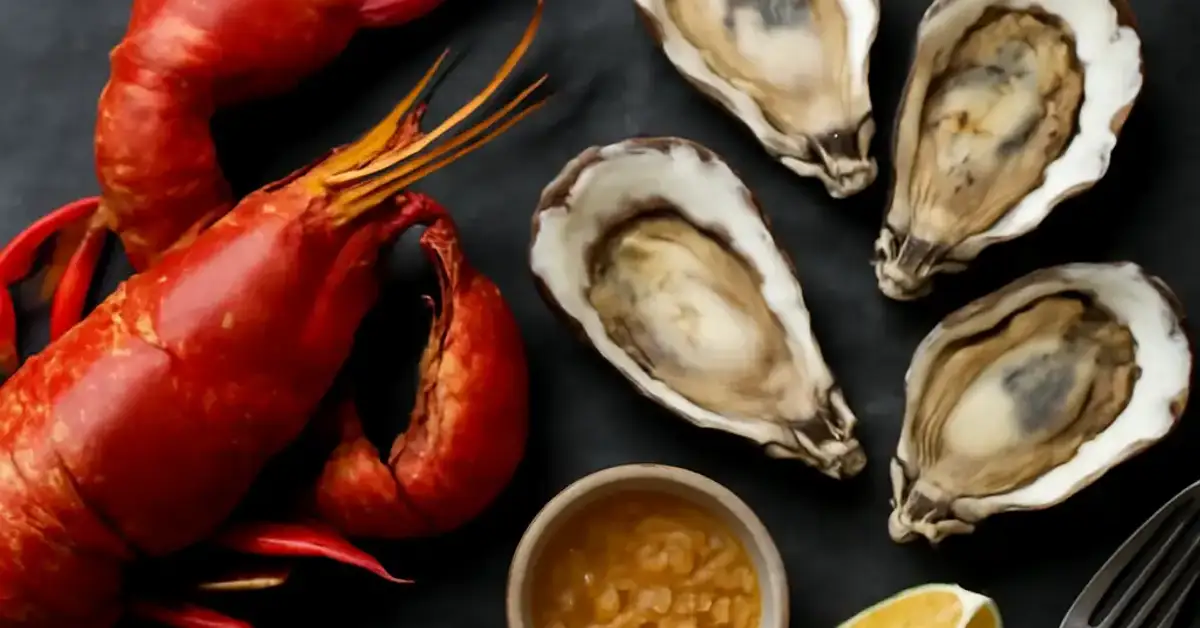
Fine dining is about more than a beautiful plate—it’s a commitment to quality, ethics, and experience. When you choose live lobster dishes and freshly shucked oysters, you connect with time-honored traditions and a responsibility to the ocean. This guide will walk you through the essentials, from market-to-table selection to sustainable sourcing practices that belong in every modern kitchen. For a related guide, see 7 Comfort Food Recipes for Rainy Season Fine Dining.
Selecting Live Lobster: The Five Senses Checklist
A great meal starts before you heat the pot. Here’s how to choose live lobster with confidence.
Visual Cues for Freshness
Look for lobsters that are active, with legs and claws moving when handled. The shell should feel hard and free of cracks or discoloration. Avoid any lobster that appears sluggish or has an unusually dark, soft shell, which may indicate recent molting and less meat.
Handling and Storage at Home
Keep live lobsters in a damp, breathable bag or container in the coldest part of the refrigerator. Do not submerge them in fresh water or ice—they need moist air to survive. Cook within 24 hours for best flavor.
Oysters: Freshness and Shucking Fundamentals
Oysters are a fine-dining treasure, but their quality depends entirely on handling. Follow these steps to ensure a pristine experience.
How to Tell a Fresh Oyster
A fresh oyster should be tightly closed or close quickly when tapped. The liquor inside should appear clear and briny, never muddy or cloudy. The meat should be plump and glossy, with a clean ocean scent—never sour or overly fishy.
Simple Shucking Technique
Using an oyster knife and a thick towel, insert the knife at the hinge and twist gently. Slide the blade along the top shell to sever the adductor muscle. Take care to preserve the oyster’s liquor, which carries its signature flavor.
Sustainable Seafood Sourcing: Certifications and Choices
Responsible sourcing ensures that future generations can enjoy the same bounty. Look for these markers when purchasing seafood.
Recognized Certifications
The Marine Stewardship Council (MSC) blue label and the Aquaculture Stewardship Council (ASC) certification indicate that seafood has been harvested or farmed with environmental responsibility. For wild-caught lobster, MSC certification is the gold standard.
Seasonal and Regional Considerations
Lobster seasons vary by location—for example, Maine lobster is most abundant from late spring to early winter. Oysters can be harvested year-round in many regions, but checking local cycles helps you support fishing communities and avoid overfished stocks.
Pairing and Etiquette for the Fine Dining Table
Elevate your meal with thoughtful accompaniments and classic manners.
Wine and Beverage Suggestions
Crisp white wines such as Chablis or Sancerre complement the brininess of oysters. For lobster, a buttery Chardonnay or a light-bodied Pinot Noir works beautifully. Non-alcoholic options like sparkling water with lemon or a dry cider also pair well.
Dining Etiquette Basics
Use seafood forks and crackers to extract meat from lobster claws. For oysters, hold the shell steady and tip the liquor into your mouth first, then eat the meat in one bite. Keep napkins close—this is a hands-on meal meant to be savored.
Common Mistakes to Avoid
- Overcooking lobster: Boil or steam just until the shell turns bright red and the antennae pull out easily. Overcooking makes meat tough.
- Storing oysters in fresh water: This kills them quickly. Keep them covered with a damp cloth in the refrigerator, cup-side down.
- Ignoring provenance: Always ask where your seafood comes from. Traceability is the first step toward sustainability.
Useful Resources
For deeper knowledge, refer to these authoritative sources:
Embracing the principles of this seafood fine dining guide live lobster oysters sustainable sourcing transforms every meal into an experience of quality and conscience. By selecting live lobster with care, mastering oyster preparation, and choosing certified sources, you elevate your table while protecting the ocean. Whether you’re hosting a dinner party or exploring a new restaurant, these truths will guide you to memorable, responsible dining. For a related guide, see Chinese New Year Fine Dining: 5 Best Reunion Dinner Tasting Menus.
Frequently Asked Questions About seafood fine dining guide live lobster oysters sustainable sourcing
What is the best way to store live lobster at home?
Place live lobster in a damp paper bag or seaweed in the coldest part of the refrigerator. Keep it moist but never submerged in water. Cook within 12–24 hours.
How can I tell if an oyster is still alive?
The shell should be tightly closed or snap shut when tapped. If it remains open, discard it. A live oyster will also have clear liquor and a fresh sea smell.
What does sustainable seafood mean exactly?
Sustainable seafood is caught or farmed in ways that maintain fish populations and protect marine habitats. It avoids overfishing, bycatch, and environmental damage.
Is frozen lobster as good as live lobster for fine dining?
Live lobster offers superior texture and sweetness. Frozen lobster can be acceptable for some preparations, but for the finest dining experience, always start with live.
What wine pairs best with oysters on the half shell?
Dry, minerally white wines like Muscadet, Sancerre, or unoaked Chablis are classic choices. Their acidity and salinity match the oyster’s brine perfectly.
How long should I boil a 1.5-pound lobster?
Boil a 1.5-pound live lobster for about 10–12 minutes after the water returns to a boil. The shell should be bright red and the meat opaque.
Can I eat oysters year-round?
Yes, modern refrigeration and farming allow safe oyster consumption year-round. However, wild oysters are traditionally best in months with an ‘r’ (September–April) when they are not spawning.
What does MSC certification look like on packaging?
Look for a blue checkmark label with the text “Certified Sustainable Seafood MSC.” It guarantees traceability from ocean to market.
How do I shuck an oyster without cutting myself?
Use a dedicated oyster knife with a sturdy handle and finger guard. Hold the oyster flat side up with a folded towel, insert the knife at the hinge, and twist gently.
What is the difference between farmed and wild lobster?
Farmed lobster is raised in controlled environments and may have a milder flavor. Wild lobster forages naturally, resulting in firmer, more complex meat. Both can be sustainable if certified.
How many oysters should I serve per person for a main course?
For a main course, plan on 6–12 oysters per person depending on size and appetite. As an appetizer, 3–6 per person is standard.
What is the proper way to eat a lobster at a fine dining restaurant?
Use seafood crackers and a lobster fork to extract meat from claws and tail. Dip in drawn butter or a light sauce. It’s messy but refined—a bib and finger bowl are often provided.
Are there eco-friendly alternatives to plastic lobster bands?
Some suppliers now use biodegradable bands made from plant-based materials. Ask your fishmonger about their sourcing practices.
Why does my lobster sometimes have green tomalley?
The tomalley is the lobster’s hepatopancreas, a digestive gland. It’s considered a delicacy by many, but health authorities advise moderate consumption due to potential contaminants.
Can I freeze leftover cooked lobster meat?
Yes, tightly wrap cooked meat in plastic wrap and place in a freezer bag. Use within 3 months for best quality. Thaw overnight in the refrigerator.
What does ‘oyster liquor’ refer to?
It is the natural briny liquid inside the oyster shell. It’s packed with flavor and should be consumed along with the meat.
How can I verify if a restaurant sources seafood sustainably?
Check their menu or website for sustainability statements, ask your server about sourcing, or look for MSC/ASC logos. Reputable restaurants are transparent about their suppliers.
What is the ideal water temperature for cooking live lobster?
Bring a large pot of salted water to a rolling boil (212°F / 100°C). Submerge the lobster head-first and cover the pot. Maintain a vigorous boil throughout cooking.
Are all oysters farmed today?
No, wild oysters are still harvested, but the majority of oysters sold are farm-raised using sustainable methods like bottom or off-bottom culture.
How does overfishing affect lobster populations?
Overfishing can deplete breeding stock and disrupt the ecosystem. Responsible fisheries use size limits, traps with escape vents, and seasonal closures to protect populations.