
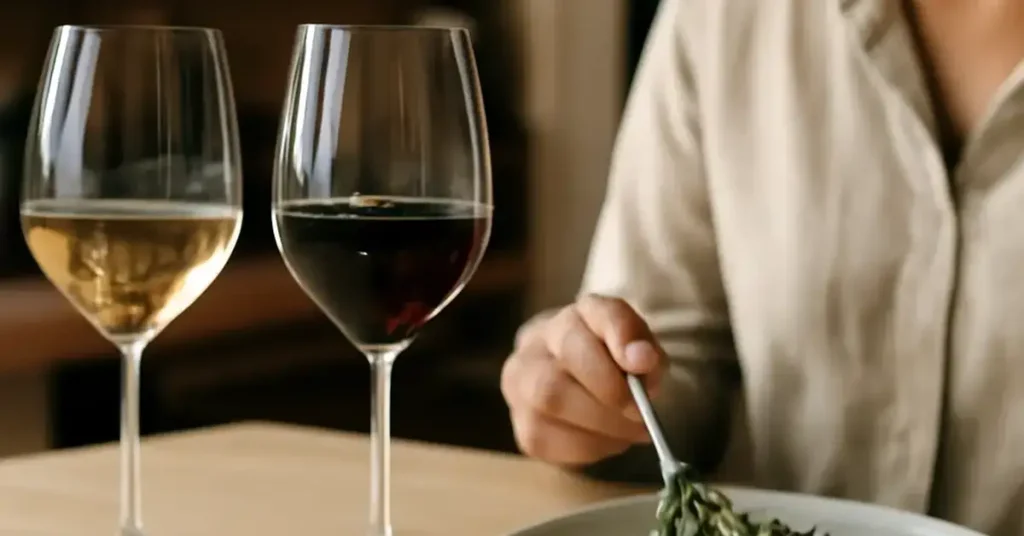
natural wine bars with fine food Key Takeaways
The natural wine movement has reshaped how drinkers and diners think about what’s in the glass.
- Natural wine bars with fine food emphasize purity in both vinification and cuisine.
- Small plates let you taste multiple low-intervention wines in one visit.
- Pairing tip: look for complementary textures and acidity rather than heavy tannins.
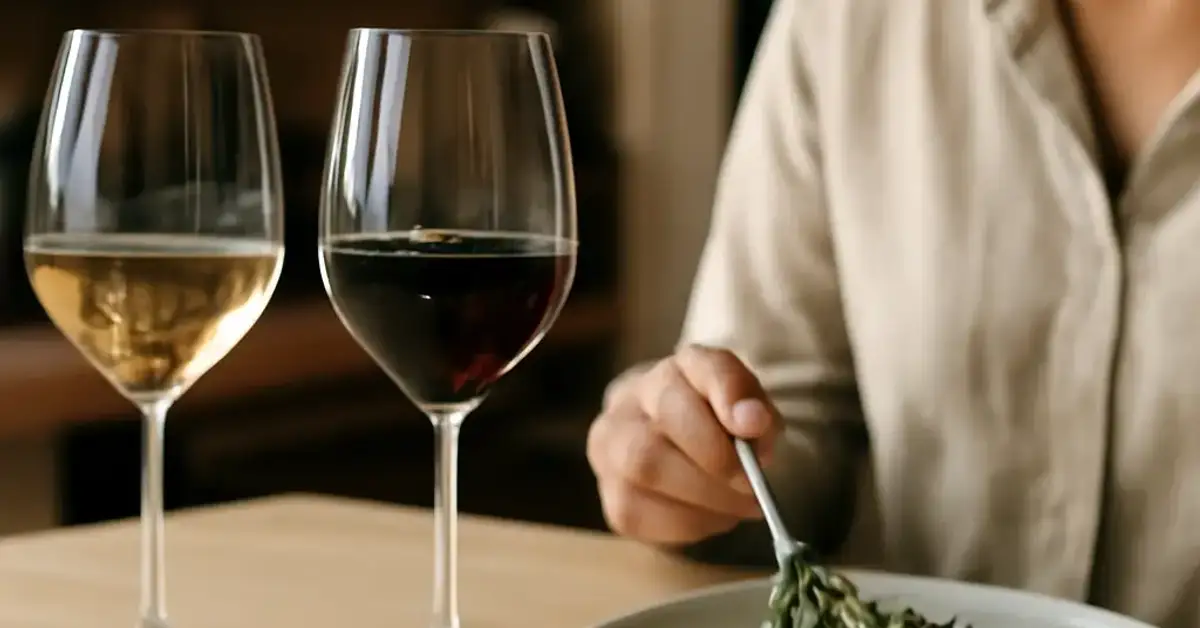
Why Natural Wine Bars with Fine Food Are Thriving
Walk into any city neighborhood these days and you’ll likely spot a chalkboard listing pet-nats, piquettes, and skin-contact whites alongside a menu of anchovy toasts, duck rillettes, or roasted carrots with za’atar. The natural wine movement isn’t a fad — it’s a genuine shift toward transparency and terroir. Natural wine bars with fine food have become the go‑to spots for curious drinkers who want to explore without the stuffiness of old‑school wine temples. For a related guide, see School Holidays Family Fine Dining – 7 Kid‑friendly Luxury Restaurants.
What sets these bars apart is a commitment to low-intervention wines — those made without commercial yeast, added sulfites, or heavy filtration. The wines often taste alive, funky, and surprising. Pair that with a kitchen that treats each ingredient with the same respect, and you have a dining experience that feels both honest and exciting. For a related guide, see Merdeka Day Malaysian Fine Dining: 5 Essential Local Ingredients to Celebrate.
The Connection Between Minimalist Winemaking and Small Plates
Chefs at these bars often work with seasonal produce and simple preparations — a perfect match for low-intervention wines. A chilled Beaujolais with a plate of silky smoked trout has a different energy than a heavy cabernet with a steak. The wine and food pairing here is about harmony, not dominance. Think bright acidity matched with a lemony dressing, or a slightly cloudy pét‑nat alongside salty fried olives.
Many of these bars are influenced by the natural wine scenes in Paris, Berlin, and Melbourne, where small plates (or petites assiettes) are designed to be shared. This format invites experimentation: you can order a glass of something you’ve never heard of, and if it doesn’t click, the next course is only a plate away.
How to Spot a Great Natural Wine Bar with Fine Food
Not every place that calls itself a natural wine bar delivers on the food side. Here are the signals to look for:
- Wine list with producer stories. The best bars name the winemaker, the vineyard, and the vintage — not just the grape.
- Ever‑changing menu. If you see the exact same dishes every month, the kitchen isn’t working with the seasons.
- Staff who ask questions. A good server will ask about your mood before recommending a wine. Are you looking for something crisp, something funky, something with a little fizz?
- Local sourcing. Many natural wine bars also highlight local cheese, charcuterie, or vegetables — it’s part of the same ethos of supporting small producers.
What to Expect from a Low-Intervention Wine List
You’ll see terms like “low‑intervention,” “native yeast,” “unfined,” and “unfiltered.” Don’t let the jargon intimidate you. The simplest way to explore is to start with a white or rosé pét‑nat — they’re bubbly, low in alcohol, and incredibly food‑friendly. Then move to a crunchy Loire red or a Sicilian orange wine. Most bars offer 4‑ounce pours, so you can taste several low-intervention wines in one sitting.
5 Natural Wine Bars with Fine Food Worth Traveling For
Here are five exemplary spots — each known for its thoughtful kitchen and stellar low-intervention wines.
1. Bellwether (L.A.)
This place changed the game for natural wine bars with fine food in Los Angeles. The menu is built around tinned fish, crudos, and vegetable dishes that rotate almost daily. The wine list leans toward low-intervention wines from small European producers. Don’t miss the trout roe toast with cultured butter.
2. Lois (New York City)
A tiny gem in the East Village where the kitchen turns out incredible small plates like fried artichokes, lamb ragu with ricotta, and a daily crudo. The wine list is entirely natural and constantly updated. The staff treat each guest like a regular.
3. Le Verre Volé (Paris)
This Parisian institution is a bottle shop, bar, and kitchen all in one. The natural wine bars with fine food concept here is pure: choose a wine off the shelf, pay a small corkage fee, and order from a menu of charcuterie, cheeses, and seasonal plates. It’s casual, affordable, and essential.
4. Bar Futo (Sydney)
Hidden behind a ramen shop, Bar Futo in Sydney serves some of the most creative small plates in Australia. Think miso‑glazed pumpkin, smoked eel toast, and a wine list heavy on low-intervention wines from Australia and overseas. The vibe is intimate and unhurried.
5. Noble Rot (London)
With two London locations, Noble Rot is the gold standard for natural wine bars with fine food. The menu is seasonal, ingredient‑driven, and beautifully executed — roast chicken for two, eel with beets, and a pressed duck salad. The wine list is dizzyingly deep but approachable, with plenty of low-intervention options by the glass.
Tips for Pairing Low-Intervention Wines and Small Plates
Pairing low-intervention wines with small plates isn’t about strict rules. Instead, focus on these principles:
- Match acidity to food. A high‑acid wine (like a Sauvignon Blanc from Sancerre or a dry Riesling) cuts through creamy or oily dishes, such as aïoli‑dressed shrimp or fried potatoes.
- Embrace texture. Many natural whites have a slight cloudiness and weight. Those are great with richer small plates — think pâté, soft cheese, or a silky squash purée.
- Low‑tannin reds are your friend. A juicy Pinot Noir or a Gamay from Beaujolais complements veggie‑forward plates, grilled fish, or cured meats without overwhelming them.
- Go for the fizz. Pét‑nats and lambruscos (made in the natural style) are incredibly versatile. They work equally well with fried food, raw vegetables, and shellfish.
Common Mistakes When Visiting Natural Wine Bars
Even experienced diners fall into these traps:
- Ordering too many bold reds. Natural wines often have delicate flavors. A heavy dish may mask them.
- Skipping the staff recommendations. Servers at these bars are usually passionate and knowledgeable. Let them guide you.
- Ignoring the non‑alcoholic options. Many bars now serve natural sodas, kombuchas, and low‑alcohol wines that pair just as well with food.
- Rushing. These spaces are designed for lingering. Give yourself time to taste and chat.
Useful Resources
If you want to dig deeper into the natural wine movement and find more natural wine bars with fine food near you, check out these resources:
- RaverReviews: Best Natural Wine Bars in the US — a curated list of top spots across the country.
- Wine Enthusiast: Natural Wine Guide — an excellent primer on low‑intervention winemaking and how to taste it.
Frequently Asked Questions About natural wine bars with fine food
What is a natural wine bar?
A natural wine bar is a bar that focuses on serving wines made with minimal intervention — no commercial yeasts, limited additives, and little to no fining or filtration. Many also offer thoughtful small plates.
What makes low-intervention wines different?
Low-intervention wines are fermented with native yeasts and rarely contain added sulfites or other additives. They often have a livelier, more expressive character and can show some natural cloudiness or sweetness.
How do I find natural wine bars near me?
Try searching for “natural wine bar” plus your city name, or use apps like Raisin and Vivino that let you filter by wine style. Local natural wine shops often know the best bars in your area.
Are natural wine bars expensive?
Prices vary widely. Many natural wine bars offer glasses in the $10–16 range and small plates from $6–18. Compared to fine dining with a bottle list, these bars can be quite accessible.
Can I find low-intervention wines in regular restaurants?
Yes, more conventional restaurants now feature a few natural options on their wine list. Look for terms like “organic,” “biodynamic,” or “native yeast.”
What small plates pair best with pét-nat?
Pét-nat’s slightly funky bubbles and bright acidity are fantastic with fried foods, raw seafood, pickled vegetables, and salty cheeses like feta or aged gouda.
What does “skin contact” mean on a wine list?
Skin contact refers to white wines fermented with grape skins, which adds color, texture, and tannins. These are often called orange wines and pair beautifully with rich, spicy small plates.
Do natural wine bars serve only natural wines?
Most bars that call themselves natural will have the majority of their list from low‑intervention producers, but a few may offer one or two conventional labels for guests who want something familiar.
How do I know if a wine is low-intervention?
Ask the staff or look for certifications like organic, biodynamic (Demeter), or indications like “unfiltered” and “no added SO₂.” Many producers also tell their story on the bottle label.
Is natural wine healthier?
Natural wines contain fewer additives, but “healthier” is subjective. They still contain alcohol. Some drinkers with sulfite sensitivity find natural wines easier to tolerate.
What is a “biodynamic” wine?
Biodynamic wine goes beyond organic with holistic farming practices based on lunar cycles and soil health. Many biodynamic wines are also low-intervention.
Can I buy bottles at a natural wine bar?
Many natural wine bars double as bottle shops, selling the wines they serve. It’s a great way to take home something you loved.
Are natural wine bars kid-friendly?
Some are, especially those that focus on food and have a relaxed daytime vibe. Call ahead or check their website to confirm.
What should I order if I’m new to natural wine?
Start with a light, clean pét-nat or a Loire Sauvignon Blanc. Both are easy to enjoy and pair well with a wide range of small plates.
Do natural wine bars have vegetarian/vegan options?
Most do — the small‑plate format naturally lends itself to vegetable, legume, and grain dishes. Many kitchens are happy to accommodate dietary needs.
Why do some natural wines taste funky or sour?
That’s often due to native yeast fermentation or slight volatile acidity (VA). A little funk is normal and even prized, but extreme barnyard notes can indicate a flawed bottle.
What is “orange wine”?
Orange wine is a white wine made with extended skin contact. It takes on an amber or orange hue and offers more structure, texture, and savory notes than typical white wine.
Can I host a private event at a natural wine bar?
Many natural wine bars offer buyouts or semi‑private spaces. Reach out early, as these spots are often small and popular.
How do I pair natural wine with spicy food?
Go for a slightly sweet, low‑alcohol white or rosé pét‑nat. The residual sugar tempers heat, and the bubbles refresh the palate.
What’s the future of natural wine bars with fine food?
The trend is growing globally. Expect more bars to emphasize zero‑waste cooking, hyper‑seasonal menus, and experimental low‑intervention styles from emerging wine regions.