
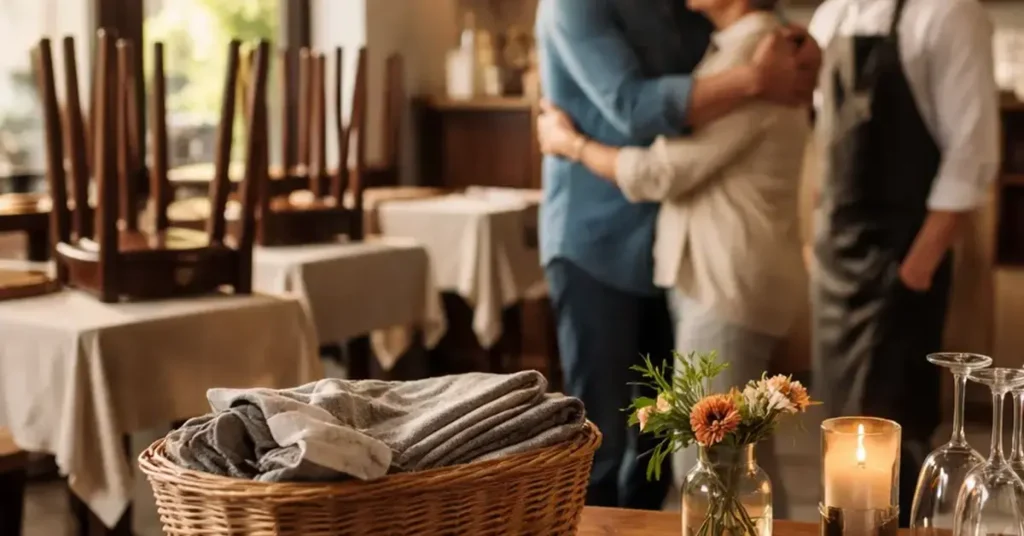
Restaurant Closing Reflection Key Takeaways
Every beloved restaurant that closes leaves behind more than empty tables—it leaves a legacy of shared meals, laughter, and community ties.
- Goodbye to beloved restaurant stories remind us that food is never just about sustenance; it’s about connection.
- A meaningful restaurant closure tribute celebrates the people—both staff and regulars—who made the place special.
- Understanding these lessons helps us appreciate the dining experiences we still have and encourages us to support local eateries while they thrive.

Why a Restaurant Closing Reflection Matters More Than You Think
When a beloved restaurant shuts its doors, it often feels like losing a part of the neighborhood’s soul. A thoughtful restaurant closing reflection goes beyond mourning a menu—it captures the intangible spirit that made the place a second home for so many. Whether it was the smell of garlic sizzling in olive oil, the worn wooden booth where first dates happened, or the way the owner remembered your usual order, these details form a collective memory worth preserving. For a related guide, see 5 Key Differences Between Lunch vs. Dinner Service – Avoid Costly Mistakes.
Writing or reading such a reflection helps us process change, honors those who poured their hearts into the business, and reminds us why independent eateries matter. In an era of chain restaurants and fleeting trends, a genuine goodbye to beloved restaurant can inspire us to treasure what we have before it’s gone.
The First Lesson: Atmosphere Is Architecture of the Soul
The first lesson from any restaurant closing reflection is that atmosphere is far more than decor. It’s the feeling of walking through the door and being instantly welcomed. At the Italian trattoria on Elm Street, the mismatched chairs, the chalkboard specials scrawled in cursive, and the soft hum of Frank Sinatra in the background created a cocoon of comfort. Regulars often described it as “stepping into a hug.”
Why Atmosphere Creates Loyalty
Atmosphere is the silent conversation between a space and its guests. When a restaurant closing reflection highlights ambiance, it often reveals that the most cherished places didn’t try to be trendy—they tried to be genuine. The clatter of plates, the warmth of the bread basket, the way the light slanted through the window at 6 p.m.—these sensory details forged an emotional anchor that kept people coming back for decades. For a related guide, see 7 Must-Know Secrets for a Flawless Restaurant Launch Event.
The Second Lesson: Community Is the Secret Ingredient
Any sincere restaurant closure tribute underscores how restaurants function as community anchors. In an age of digital isolation, a local eatery offers a rare third place—a neutral ground where neighbors gather, celebrate, and mourn together. When the corner diner closed after 45 years, the loss rippled far beyond its regulars’ breakfast routines. For a related guide, see Worst Surprise Tasting Menu Mistake: Avoid This Fine Dining Disaster.
“I had my first job here at sixteen, and my daughter had her engagement party in the back room,” said Linda, a longtime customer. “It wasn’t just a restaurant—it was the living room of our town.” Her sentiment echoes through countless restaurant closing reflection stories across the country.
The Third Lesson: Even the Smallest Gestures Become Legends
In remembering a cherished spot, we often realize that the most memorable moments weren’t the grand events but the tiny, consistent acts of kindness. The chef who remembered you were allergic to nuts. The waitress who brought a free slice of birthday cake. The owner who stayed late to talk to a lonely regular. A goodbye to beloved restaurant narrative is incomplete without honoring these everyday miracles.
This lesson encourages us to bring such thoughtfulness into our own lives, whether as customers or as people who create experiences for others.
The Fourth Lesson: Legacy Lives in Shared Stories
A restaurant closing reflection teaches us that a business’s true legacy isn’t in its balance sheet—it’s in the stories people tell. When the doors close, the recipes might be lost, and the sign may come down, but the stories remain. The couple who had their first date at table nine, the high school reunion that toasted twenty years of friendship, the weekly book club that discussed everything from novels to politics—these narratives outlast brick and mortar.
How to Collect and Preserve Those Stories
One way to honor a restaurant’s memory is by gathering testimonials from regulars. A simple social media post asking “Share your favorite memory” can yield dozens of heartfelt anecdotes. These can be compiled into a digital scrapbook, a memory wall, or even a printed booklet given to the owners as a parting gift. This act turns a restaurant closure tribute into a lasting archive of joy.
The Fifth Lesson: Saying Goodbye Makes Room for New Beginnings
Perhaps the most challenging lesson in any restaurant closing reflection is that closure is also a form of opening. The end of one era often plants seeds for something new—a different restaurant that brings its own magic, or a renewed appreciation for the ones still open. It’s not about forgetting; it’s about carrying forward what mattered most: the warmth, the generosity, and the reminder that breaking bread together is one of life’s simplest and greatest joys.
If the restaurant you’re honoring is still serving, consider paying it one last visit. Order your favorite dish. Thank the staff. Soak in the atmosphere one final time. That act of presence is the most genuine goodbye to beloved restaurant you can offer.
Useful Resources
For more on how restaurants shape communities, read this piece from the NPR article on how restaurants shape communities. For guidance on writing a meaningful tribute, explore this New York Times guide to restaurant obituaries.
Frequently Asked Questions About Restaurant Closing Reflection
What is a restaurant closing reflection ?
A restaurant closing reflection is a written or spoken tribute that captures the memories, atmosphere, and community impact of a beloved restaurant that is closing its doors. It honors the legacy of the establishment and the people who made it special.
How do I write a goodbye to a beloved restaurant?
Start with a personal memory or vivid description of the atmosphere. Recount the restaurant’s history, its role in the community, and include quotes from regulars or staff. End with a heartfelt farewell and an invitation to visit one last time if possible.
What should a restaurant closure tribute include?
A meaningful tribute includes the restaurant’s origin story, its unique character, stories from regulars and staff, the reasons for closing, and a celebration of its lasting influence on the community.
Why are restaurant closings so emotional for communities?
Restaurants often serve as third places—neutral gathering spots where people connect, celebrate, and find comfort. Losing that space can feel like losing a part of the community’s identity and shared history.
Can a restaurant closing reflection be positive?
Yes. While there is sadness in loss, a reflection can also highlight gratitude for the memories, lessons learned, and the hope that new beginnings may follow. It celebrates what was, rather than only mourning its end.
How do I honor a restaurant that has closed?
You can write a tribute, share memories on social media, create a memory book for the owners, or simply gather with fellow regulars for a final meal if the restaurant is still open. The gesture matters more than the form.
What are common themes in restaurant closing reflections?
Common themes include community bonds, specific memories tied to the space, gratitude toward staff and owners, the sensory details of the atmosphere, and the bittersweet nature of saying goodbye.
How do I interview regulars for a restaurant closing tribute?
Ask open-ended questions like “What’s your first memory of this place?” or “What will you miss most?” Record their answers verbatim and weave the best quotes into your narrative to capture authentic emotion.
Should I include the reasons for closing in my reflection?
Yes, briefly and respectfully. Whether it’s retirement, rising costs, or a lease ending, honesty adds depth to the story. Focus on the positive impact rather than assigning blame.
How long should a restaurant closing reflection be?
It depends on the format. A blog post or article typically runs 800 to 1,500 words. A social media post may be a few paragraphs. The key is to be sincere rather than strictly adhering to a word count.
What makes a restaurant closure tribute go viral?
Authenticity and universal emotion. When readers recognize their own favorite spots in your words, they’re more likely to share. Including specific, relatable details—like the waitress who knew everyone’s name—helps.
Can I use humor in a restaurant closing reflection ?
Absolutely. Lighthearted memories—like the time the chef accidentally set off the fire alarm or the regular who always ordered the same thing—add warmth and realism. Balance humor with respect for the loss.
How do I find the right tone for a goodbye to a beloved restaurant?
Aim for warm, nostalgic, and respectful. You can be sad without being maudlin, and celebratory without being dismissive of the loss. Read it aloud to see if it feels natural.
What is the role of the owner in a restaurant closing reflection ?
The owner often represents the heart of the restaurant. Their story—why they started, what they sacrificed, their relationship with customers—is central to the narrative. Include their voice if possible.
How do I handle negative memories in a tribute?
Stick to the positive. If a place had flaws, frame them gently or omit them. The purpose of a tribute is to honor, not to critique. Focus on what made the restaurant loved.
Can a restaurant closing reflection help the community heal?
Yes. It validates shared grief and provides a space for collective remembering. It can also inspire people to support other local businesses before they face similar fates.
What should I do with the reflection after it’s written?
Share it on the restaurant’s social media (with permission), post it on your personal blog or local news site, or print it and give a copy to the owner. The more people who read it, the wider the legacy spreads.
How do I include photos in a restaurant closing reflection ?
Choose images that capture the atmosphere: the interior, familiar faces, favorite dishes, or handwritten signs. Avoid generic stock photos. Authentic images reinforce the personal nature of the tribute.
Is it appropriate to mention the new business that replaces the old restaurant?
It can be, but do so carefully. Acknowledge the change without implying that the new place is a replacement. Frame it as part of the neighborhood’s evolution while honoring what came before.
What is the most important element of a restaurant closing reflection ?
Honesty. Readers can sense when a tribute is hollow or formulaic. The most powerful reflections come from a genuine place of appreciation and loss. Write from the heart, and the structure will follow.