
psychology of luxury dining Key Takeaways
The psychology of luxury dining reveals that our willingness to pay more for a meal is rarely about hunger alone.
- Plating functions as visual art: symmetrical composition and color contrast increase perceived taste and quality.
- Ambiance creates an emotional anchor that makes flavors feel richer and memories last longer.
- Social signaling and exclusivity drive premium pricing, often more than ingredient cost.
What Drives the Psychology of Luxury Dining
Dining out is never just about fuel. From the moment we step through a restaurant door, our brain begins assessing signals: Is this place special? Is it worth the price? The psychology of luxury dining taps into deep-seated cognitive biases that influence how we perceive taste, quality, and value. Research in neurogastronomy shows that identical dishes rated higher when served on heavier, more elegant plates in a dimly lit room with soft music. These environmental factors are not decorations—they are psychological levers. For a related guide, see 5 Secrets Fine Dining Critics Won’t Tell You – Expert Insights.
Why Plating Matters: Visual Art on a Plate
Chefs at high-end restaurants treat the plate as a canvas. But does a perfectly swooshed puree or an edible flower really change the flavor? According to studies, yes—because we eat with our eyes first.
The Neuroscience of Presentation
When we see a beautifully plated dish, the brain’s orbitofrontal cortex activates before the first bite. This region processes reward and expectation. The more visually appealing the arrangement, the higher our expectation of taste, and remarkably, the more we actually enjoy the food. A 2014 study at the University of Oxford found that participants rated a salad as 29% more flavorful when it was arranged in an artistic pattern versus a random pile.
Color, Contrast, and Composition
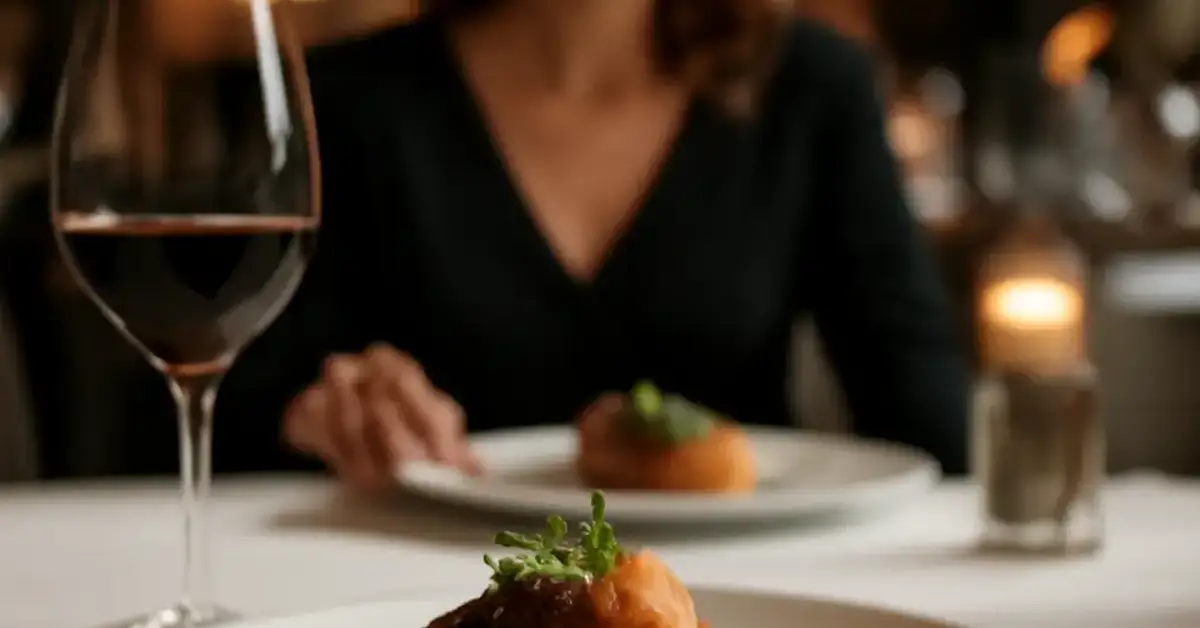
High-end plating uses principles borrowed from art: the rule of thirds, contrasting colors (e.g., bright orange carrot puree against dark venison), and negative space. These elements signal care, skill, and exclusivity. The brain interprets effort on the plate as a proxy for quality, which justifies a higher price tag. This is why the psychology of luxury dining often begins with the visual presentation.
Ambiance as an Emotional Anchor
Lighting, music, table spacing, and even the weight of cutlery all contribute to what restaurateurs call “atmospheric loading.” These cues create an emotional context that shapes how we interpret flavor and value.
Lighting and Taste Perception
Dim lighting (around 20–30 lux) encourages relaxation and reduces inhibition, which can make diners more adventurous and more generous with spending. A 2012 study in the Journal of Marketing Research showed that diners in softly lit rooms ordered 30% more items and rated the same dishes as more delicious compared to those in bright fluorescent settings.
Soundscapes and the “Sonic Seasoning” Effect
Background music tempo and volume directly influence eating speed and perception. Slow classical music extends the dining experience, making it feel more luxurious. Researchers have even found that certain pitches can amplify sweetness or bitterness. High-end restaurants curate soundtracks as carefully as menus because they know that ambiance directly supports the psychology of luxury dining.
Social Signaling and the Exclusivity Premium
Luxury dining is often a display of status, discernment, or celebration. This social dimension plays a powerful role in why we pay more.
Scarcity and Limited Access
Tables that require weeks of advance booking, tasting menus that change nightly, and ingredient sourcing stories all create a perception of scarcity. Behavioral economics tells us that scarcity increases desire. When diners feel they have earned access to an exclusive experience, they assign higher value to it—and are willing to pay accordingly. For a related guide, see Value Reflection: Is Your Luxury Dining Bill Justified? 5 Key Checks.
The Instagram Effect
Shareable plating and dramatic interiors become social currency. When a meal generates likes or comments, its experiential value extends beyond the table. Restaurants now design “Instagrammable” moments intentionally, knowing that social validation reinforces the perceived worth of the experience.
How High-End Restaurants Engineer Perceived Value
Smart restaurateurs combine plating, ambiance, and service choreography into a seamless value proposition. A high-end restaurant marketing strategy does not compete on ingredient cost alone. It competes on the story, the artistry, and the emotional journey.
Menu Engineering and Pricing Anchors
Luxury menus often place a very expensive item (like a $200 steak) at the top to serve as an anchor. That makes the $85 entrée feel reasonable by comparison. This technique, combined with verbal descriptions that evoke rarity and craftsmanship, primes the guest for higher spending.
The Choreography of Service
Silent but attentive service, tableside explanations, and ceremonial touches (like crumbing the table between courses) build anticipation and respect. These rituals communicate that the restaurant values precision, which transfers to perceived quality in every bite.
Practical Takeaways for Restaurateurs and Diners
Understanding the psychology of luxury dining is useful whether you run a restaurant or simply want to enjoy a splurge more mindfully.
For Restaurateurs
- Invest in plate design and presentation training for your kitchen team. The visual impression starts before the flavor.
- Control the sensory environment: lighting, sound, scent, and tableware all contribute to perceived value.
- Train staff to tell the story behind each dish. Storytelling amplifies emotional engagement and justifies pricing.
- Use scarcity ethically. Limited availability of seasonal menus can increase demand, but overuse can erode trust.
For Diners
- Recognize that ambiance and plating inflate your enjoyment. That is not a bad thing—it is part of the experience you are paying for.
- Ask yourself: am I paying for ingredients or for the total experience? When you understand the psychology, you can choose where to spend and where to save.
- Try a “blind taste” experiment at home: compare a dish served on a plain plate versus one on an artistic plate. You may be surprised how much presentation influences your rating.
Risks and Safeguards in Leveraging Dining Psychology
While psychological techniques can elevate dining, they can also backfire. Overly dramatic plating that feels pretentious, or music that overwhelms conversation, creates negative associations. Diners are savvy—if the experience feels manipulated without substance, trust is broken. The best luxury restaurants balance artistry with authenticity, ensuring that every psychological cue supports genuine quality.
Useful Resources
Frontiers in Psychology: The Influence of Plate Size and Color on Perceived Taste – Peer-reviewed research on how visual cues affect flavor perception.
Food Quality and Preference: Ambient Lighting and Meal Experience – A study examining how lighting conditions alter diner satisfaction and spending behavior.
Frequently Asked Questions About psychology of luxury dining
Why do we pay more for beautifully plated food?
Beautiful plating activates the brain’s reward centers, increasing expectation and actual perception of flavor. This aesthetic effort signals higher quality, making diners willing to pay a premium.
Does ambiance really affect how food tastes?
Yes. Lighting, music, and table design alter mood and sensory sensitivity. Studies show that soft lighting and slow music can make food taste richer and more enjoyable.
What is “neurogastronomy” in luxury dining?
Neurogastronomy studies how the brain interprets taste, aroma, texture, and visual cues. It explains why the same ingredient can taste different based on plating, color, or setting. For a related guide, see Late-Night Fine Dining Experiment: 5 Key Differences from First Seating.
How do restaurants use color psychology on the plate?
Chefs use contrasting colors (e.g., green herb oil on white plate, red sauce on black slate) to create visual impact. High-contrast compositions are perceived as more flavorful and artful.
Why do luxury restaurants have dim lighting?
Dim lighting lowers diner inhibition, encourages relaxation, and makes the environment feel intimate. It also softens visual imperfections and makes food colors appear richer.
Does the weight of cutlery matter in luxury dining?
Yes. Heavier cutlery signals durability and quality. Research shows that diners rate food as higher quality when served with heavier utensils, influencing overall satisfaction.
What is the “Instagram effect” on restaurant pricing?
Visually striking dishes earn free social media promotion. Diners feel they are paying for a shareable experience, which justifies higher prices and drives demand for photogenic plating.
How does menu design affect what we order?
Luxury menus place high-margin items in prime visual positions (top right, boxed, or with photos). Anchoring expensive options makes other dishes seem reasonable.
Is the psychology of luxury dining ethical?
It depends on intent. When used to enhance a genuinely high-quality experience, it is ethical. Manipulative tricks that hide poor ingredients or overcharge are deceptive.
Can the same meal taste better in a luxury setting?
Research says yes. The brain integrates environmental cues with taste signals. A meal eaten in an elegant, quiet room often tastes better than the same meal in a noisy, bright cafeteria.
What role does scent play in luxury dining?
Subtle scents (like fresh bread, herbs, or citrus) can enhance appetite and flavor perception. Some luxury restaurants diffuse signature aromas to create a cohesive memory.
Why do chefs use negative space on plates?
Negative space focuses attention on the key ingredients, making them appear more intentional and refined. It also suggests restraint and precision, hallmarks of haute cuisine.
Does table spacing affect the dining experience?
Wider table spacing creates a sense of privacy and exclusivity. Crowded tables reduce perceived luxury and can lower satisfaction, even if food quality is high.
How do luxury restaurants use music to influence spending?
Slow, classical music encourages longer stays and more courses ordered. Upbeat tempos can increase table turnover, which casual chains use, but luxury venues prefer slower pacing.
What is “social signaling” in the context of dining?
Social signaling means that dining at an exclusive restaurant conveys status, taste, or achievement to others. This external validation increases the perceived value of the meal.
Can diners be immune to psychological dining tricks?
Awareness helps, but many effects are subconscious. Even knowledgeable diners rate food higher when plating and ambiance are polished. The best defense is mindful dining and focusing on ingredients.
Why do luxury restaurants serve small portions on large plates?
The plate-to-food ratio makes the portion look more precious and artful. It also encourages slower eating and focuses attention on quality over quantity.
Does the price itself influence how much we enjoy the meal?
Yes. The placebo effect in dining is well-documented: a higher price tag can make the same wine or dish taste better because the brain equates cost with quality.
How can a diner get the most value from a luxury meal?
Focus on the total experience—savor the presentation, ambiance, and service. If you understand the psychological levers, you can choose restaurants that deliver genuine substance behind the style.
What is the one psychological factor luxury restaurants prioritize most?
Consistency. Every element—from plate color to server posture to background hum—must reinforce the same message of exclusivity and care. Inconsistency breaks the spell.