
Amuse-Bouche and Opening Act Key Takeaways
The first bite of a meal is more than a courtesy—it’s a handshake, a promise, and a compass.
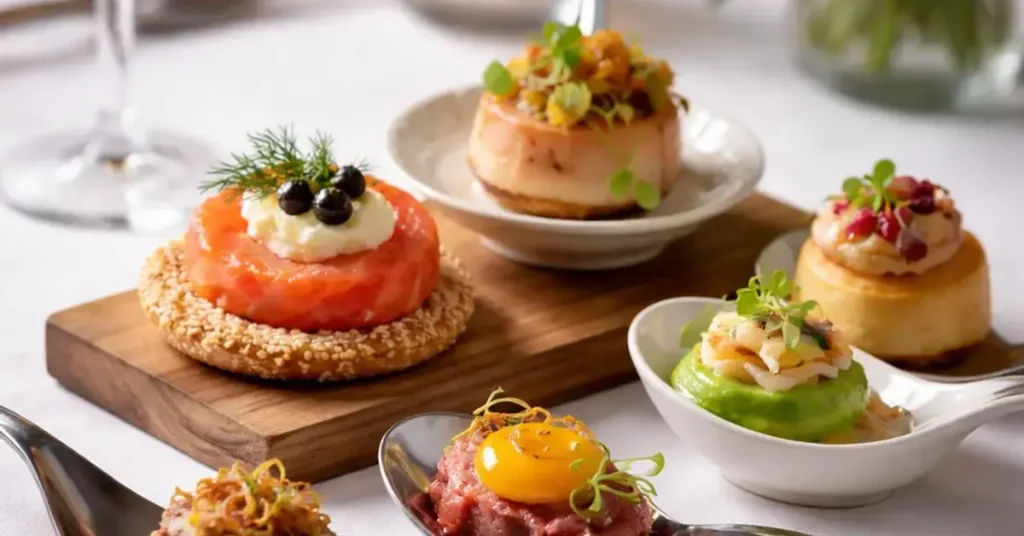
- The Amuse-Bouche and Opening Act concept reveals how small bites prime the palate and signal the meal’s theme.
- Bitter, sweet, sour, salty, and umami—each first impression food choice nudges diners toward a specific mood.
- Creative amuse-bouche ideas can transform a simple greeting into a memorable narrative, aligning expectation with reality for a cohesive dining experience.
Why Every Meal Needs a Careful Amuse-Bouche and Opening Act
Picture this: you’re seated at a linen-draped table in a bustling downtown bistro. A tiny ceramic spoon appears, cradling a single spoonful of chilled cucumber soup with a whisper of dill and a drop of yogurt. You lift it, sip, and—in that split second—your brain decides: this kitchen is thoughtful, the night will be light and bright, and I can trust the chef.
That’s the quiet power of an amuse-bouche—a phrase French for “mouth amuser.” In culinary terms, it’s the opening act of a meal, a complementary bite that greets guests before the first official course. But great chefs know it’s much more: it’s a promise of what’s to come. When you master the Amuse-Bouche and Opening Act, you aren’t just feeding people—you’re setting a tone, building anticipation, and aligning expectation with the reality of the meal ahead. For a related guide, see 5 Dessert and Pre‑Dessert Mistakes That Ruin Sugar Balance.
Expectations are powerful. If you serve a rich, creamy amuse-bouche packed with butter and truffle oil, guests will anticipate heavy, indulgent courses. Serve a bright, acidic spoonful of citrus-macerated berries, and they’ll lean toward lighter, fresher flavors. The contrast between what people imagine and what they actually taste can either delight or disappoint. A well-crafted first bite bridges that gap gracefully.
How First Flavor Impressions Shape the Entire Dining Narrative
Psychologists call it the “halo effect”—the tendency of a first impression to color everything that follows. At the table, a single perfect first impression food can make a later dish taste better simply because the diner is already in a positive frame of mind. Conversely, a clumsy opening can create skepticism that lingers through dessert.
Expectations vs. Reality: A Balancing Act
Imagine you walk into a farm-to-table restaurant and the amuse-bouche is a tiny crostini with pickled carrot and smoked paprika aioli. You expect earthy, rustic flavors—carrot, smoke, maybe a bit of tang. But the reality hits with a surprising edge: the pickling brine is more aggressive than you anticipated, the paprika is warm rather than smoky. If the flavors are still delicious, that slight deviation can be thrilling—it redefines the possible. But if the reality is flat or mismatched, your trust erodes.
Great setting expectations with appetizers doesn’t mean delivering exactly what people assume. It means creating an intentional, coherent flavor story that begins with the first bite. The best opening acts reveal a signature technique (a flash-pickling method, a house-made vinegar) or showcase a key ingredient (a seasonal heirloom vegetable, a rare cheese) that will reappear later. This subtle repetition builds a sense of arc—diners feel the meal is “going somewhere.”
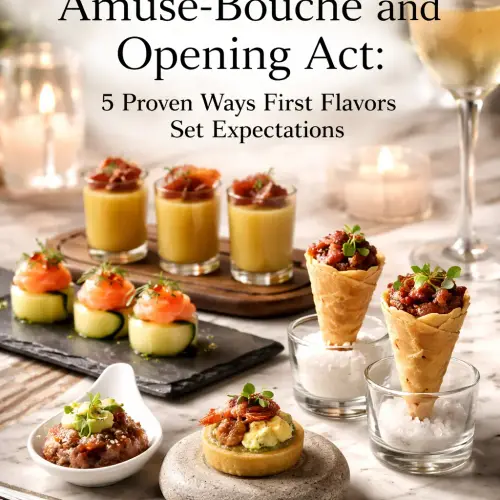
5 Proven Ways to Use an Amuse-Bouche and Opening Act to Set the Perfect Tone
Ready to design your own? Here are five strategies, each grounded in how our palates and brains respond to first bites.
1. Mirror the Meal’s Central Theme
If your menu explores the Mediterranean coast, let your amuse-bouche whisper that same salt air: a single anchovy-stuffed olive with a drizzle of good olive oil, or a tiny spoon of chilled gazpacho. By echoing the main event’s spirit, you create a seamless transition from greeting to main course. This is perhaps the purest form of amuse-bouche ideas—the bite that previews the narrative without giving away every chapter.
2. Use Contrast to Create Delightful Surprise
Sometimes the best way to set expectations is to gently subvert them. If your dinner features intense, slow-braised meats and dark chocolate, start with something unexpectedly bright—a single piece of compressed melon with mint and black pepper. The contrast wakes up the palate and signals that the chef understands balance. Remember: surprise works best when it feels intentional, not random.
3. Prioritize Temperature and Texture Contrast
A warm, creamy soup served in a cold ceramic spoon is a sensory contradiction that instantly engages attention. Similarly, a crisp tuile wrapped around a soft herbed goat cheese mousse plays with texture. These subtle contrasts tell diners: pay attention, this meal has layers. Temperature alone can forecast the tone—a warm amuse-bouche suggests comfort and richness; a cold one hints at refreshment and precision.
4. Leverage a Single Perfect Ingredient
Let your best ingredient speak first. A hand-torn crouton rubbed with garlic and topped with a single sliver of jamón ibérico. Or a perfect strawberry, barely macerated in balsamic. When you showcase something extraordinary in the opening act, you declare your standards. This approach works especially well for fine-dining settings where first impression food needs to feel precious, not abundant.
5. Keep It Small but Memorable—One or Two Bites Max
The amuse-bouche is not a course; it’s a gesture. A single bite is enough to deliver its message. Overloading the spoon with too many ingredients muddles the signal. A great opening act is like a haiku: brief, precise, and evocative. It leaves the diner wanting more—not overwhelmed. When in doubt, subtract.
For a deeper look at how chefs design tasting menus around the psychology of first bites, the Michelin Guide’s article on amuse-bouche offers excellent case studies from leading kitchens.
Risks to Avoid When Crafting Your Opening Flavor
A misaligned amuse-bouche can break a meal’s spell before it truly begins. Here are the most common pitfalls—and how to avoid them.
| Risk | Why It Fails | How to Fix It |
|---|---|---|
| Too rich or heavy | Overwhelms the palate; diners feel sluggish | Use acid, herbs, or citrus to cut richness |
| Too mild or bland | Fails to make an impression or spark curiosity | Bold one flavor—use salt, spice, or umami |
| Unrelated to the rest of the menu | Creates a disjointed experience; confusion | Echo one ingredient or technique from the meal |
| Too large | Fills the diner before the first course | Keep to one clean bite or two delicate nibbles |
| Poor temperature delivery | Suggests carelessness or rushed timing | Test plate and food temp together before serving |
Reflection: The Flavor That Lingers After the Spoon is Clean
The last bite of a meal often gets the most attention—the dessert, the petit fours, the final sip of wine. But I believe the first bite carries equal weight. It’s the note that sets the melody. A thoughtful Amuse-Bouche and Opening Act tells your guests: I planned this meal for you. I thought about how it would feel. I want you to trust where we’re going together.
Next time you design a menu, whether for a dinner party or a professional menu, pause at the beginning. Ask yourself: What do I want people to feel in that first second? Give that feeling a shape, a temperature, and a single clean flavor. Then watch as the rest of the meal unfolds effortlessly, because you already earned their trust with a tiny, perfect taste.
For more practical amuse-bouche ideas and seasonal inspiration, check the excellent free collection at Food and Wine’s amuse-bouche recipes.
Useful Resources
- Michelin Guide – Amuse-Bouche: The Art of the First Impression – A thoughtful look at how top chefs design opening bites that captivate.
- Food and Wine – 13 Amuse-Bouche Recipes – A curated collection of approachable, elegant ideas for home cooks and professional chefs alike.
Frequently Asked Questions About Amuse-Bouche and Opening Act
What exactly is an amuse-bouche?
An amuse-bouche is a small, complimentary appetizer served before the first course of a meal. It’s meant to “amuse the mouth” and set the tone for the dining experience. For a related guide, see 7 Smart Palate Cleanser Tips: The Intermezzo Course Role and Creativity.
How is an amuse-bouche different from an appetizer or starter?
An appetizer or starter is a menu item a diner chooses and pays for. An amuse-bouche is gifted by the kitchen, typically one or two bites, and is seldom listed on the menu—it’s a surprise.
Do I have to serve an amuse-bouche at home?
No, but it’s a wonderful way to elevate a home dinner party. Even a simple single-bite crostini or chilled soup spoon can make guests feel welcomed and special.
What is the best size for an amuse-bouche?
One to two bites maximum. The goal is to spark interest, not to fill the stomach. A spoon, small cup, or tiny plate works perfectly.
Should the amuse-bouche match the cuisine of the main meal?
It can, but doesn’t have to. Many chefs prefer to echo a theme or ingredient from the menu. Others use the amuse-bouche to offer a surprising contrast—either approach can work if executed with intention.
Can an amuse-bouche be cold?
Absolutely. Cold amuse-bouches like chilled soups, ceviche spoons, or tiny gazpacho shots are common, especially in warmer seasons or lighter menus.
How do I choose a flavor for an amuse-bouche?
Start with what’s in season. Then consider the mood you want to create—bright and acidic for a light menu, earthy and warm for a rustic one. Single bold flavors often work better than complex blends.
What are some easy amuse-bouche ideas for beginners?
Try a single olive with feta, a melon ball with prosciutto, a tiny tomato basil skewer, or a spoonful of chilled cucumber soup. All are simple, memorable, and forgiving for novice cooks.
How does an amuse-bouche affect the perception of a meal?
Research in food psychology suggests the first bite strongly influences how diners judge subsequent courses. A positive, well-matched amuse-bouche can enhance overall enjoyment by up to 30%.
Can an amuse-bouche be sweet?
Yes, especially if used as a contrast to a savory meal. A tiny spoon of fruit compote with mint, a small macaron, or a single grape in a tarragon syrup can all serve as effective opening bites.
Is an amuse-bouche always served on a spoon?
Not at all. Spoons are common, but chefs also use tiny cups, shot glasses, slate tiles, spoons with small forks, or even edible containers like parmesan tuiles.
How do I time the service of an amuse-bouche?
Serve it within the first few minutes after guests are seated, before they receive their drinks. It should arrive quickly to set a welcoming pace for the meal.
What if I have guests with dietary restrictions?
Always ask ahead, or prepare a vegan/gluten-free version of your amuse-bouche. A thoughtful alternative shows you care about every guest’s experience.
Can an amuse-bouche be served family-style?
While traditionally individual, a single shared platter of tiny bites (like a small board of crostini or pickled vegetables) can work in casual settings, though the impact of a personal bite is diminished.
What is the “opening act” concept in food?
Borrowed from theater, the opening act in food refers to the amuse-bouche or first appetizer that sets the stage for the rest of the meal, establishing mood, flavor profile, and chef’s intent.
Do Michelin-star restaurants always serve an amuse-bouche?
Most do, but not all. An amuse-bouche is not a requirement for a star, but it’s a common practice that signals attention to detail and generosity from the kitchen.
How can I make an amuse-bouche look elegant?
Focus on clean plating, use of negative space, and garnishes like microgreens, edible flowers, or a single elegant drizzle. Less is almost always more.
What if my amuse-bouche is a flop?
Don’t panic—learn from it. If it’s too salty, cut back next time. If it didn’t match the meal, think about contrast or theme. Every mistake is a recipe for improvement.
Can an amuse-bouche be a drink?
Yes, especially a small chilled soup, consommé, or even a savory cocktail served in a shot glass. The key is that it remains a single, memorable sip or bite.
Does an amuse-bouche need to be served on a plate?
No, spoons, cups, shells, or even wooden boards all work. Choose a vessel that fits the theme and ensures easy handling for guests.