
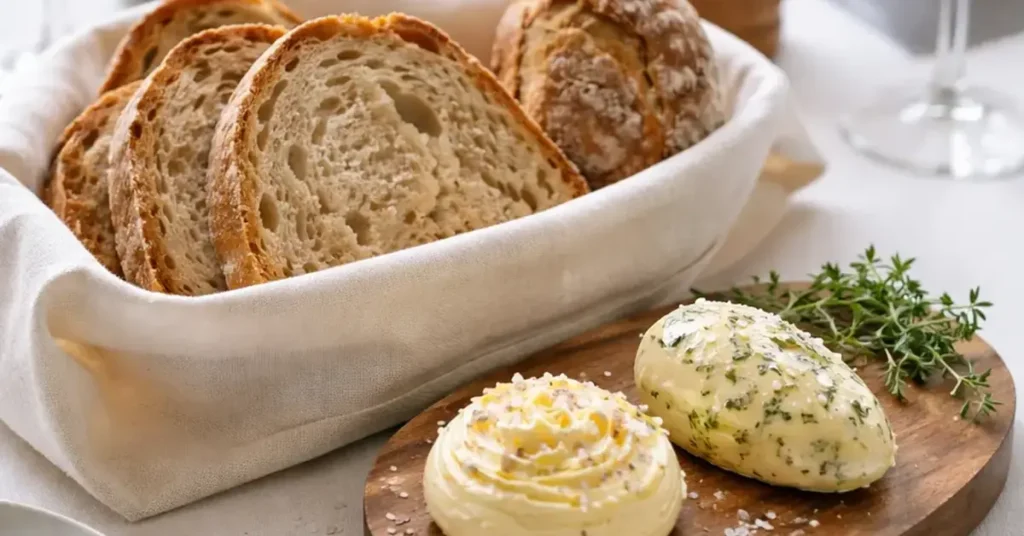
bread and butter service Key Takeaways
Few restaurants realize that bread and butter service is an early and powerful signal of a kitchen’s overall quality.
- bread and butter service reveals a kitchen’s commitment to fundamentals before the first appetizer arrives.
- Temperature, texture, and accompaniments are the three pillars that separate memorable bread service from forgettable filler.
- Pro kitchens treat bread and butter as a deliberate course, not a casual courtesy.
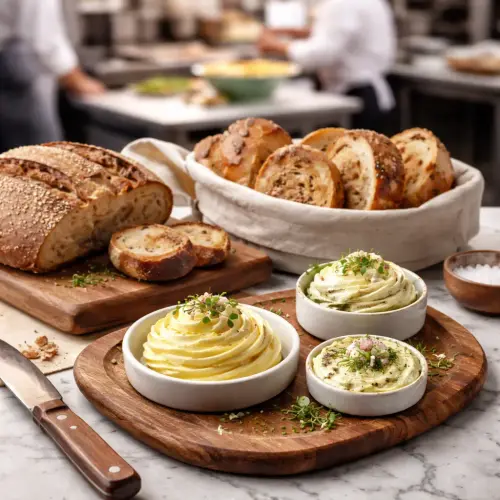
Why Bread and Butter Service Is the First Test of a Restaurant’s Standards
I still remember the meal that changed how I judge a restaurant. It was a Tuesday evening in a small Italian spot tucked off a side street in Brooklyn—nothing fancy, just white paper on the tables and a chalkboard menu. The bread arrived in a woven basket lined with a faded red napkin. It was warm, the crust crackled when I broke it, and the butter—soft, salted, cultured—sat in a small ceramic dish. I didn’t need to taste the pasta to know I was in good hands. That bread and butter service had already told me everything. For a related guide, see 7 Ambience and Interior Design Mistakes That Ruin Your Space.
Restaurant attention to detail starts long before the main course. Yet many diners overlook bread and butter as a throwaway, something to nibble on while waiting. The best chefs know better. It’s the first impression, the handshake between kitchen and guest. If the bread is stale or the butter is cold and hard, it suggests a lack of care that often extends to the cooking. For a related guide, see 7 Smart Palate Cleanser Tips: The Intermezzo Course Role and Creativity.
What Makes Bread and Butter Service Exceptional? 3 Non-Negotiables
After dozens of restaurant visits—from Michelin-starred tasting menus to humble neighborhood bistros—I’ve noticed that the best bread service follows three consistent rules. These aren’t complicated, but they demand intention.
1. Temperature: The Bread Is Warm, the Butter Is Spreadable
Cold butter on room-temperature bread is the most common mistake. It tears the crumb, frustrates the diner, and suggests the bread was pulled from a bin hours earlier. Great kitchens warm their bread—either in the oven or a steam-injected warmer—and serve butter at 60–65°F (15–18°C). That sweet spot allows the butter to glide across the bread without melting into a puddle.
2. Texture: Crusty Exterior, Tender Interior
The ideal bread for bread and butter service has a crunchy, shattering crust and a soft, airy crumb. A baguette that’s been sitting out for hours develops a leathery skin. A sourdough boule straight from the oven—or properly reheated—offers that satisfying crackle. If the bread is pre-sliced, it should be cut thick enough to hold structure when buttered.
3. Accompaniments: More Than Just Butter Pats
While butter is the classic partner, the best restaurants offer a small point of difference: a sprinkle of flaky salt, a drizzle of olive oil, house-made honey butter, or even a seasonal compound butter. These touches show creative restaurant attention to detail without overwhelming the simplicity of the course.
Chef Insights: How Pro Kitchens Approach Bread and Butter Service
I spoke with Chef Maria Torres, a former pastry chef who now runs a critically acclaimed bistro in Portland. She says, “Bread service is the only course that touches every single table, every single night. If we’re careless with it, what else are we cutting corners on?” Her team bakes fresh focaccia twice a day and whips butter with buttermilk and sea salt. The result? Customers often ask for a second basket before ordering entrees.
Another bread service tips from Chef James Park of a New American spot in Austin: “Never serve bread cold. If your kitchen is busy and the bread has been sitting, 30 seconds in the microwave wrapped in a damp paper towel revives it in a pinch… but ideally, have a dedicated bread warmer.”
The Hidden Cost of Bad Bread and Butter Service
Some restaurants treat bread as a cost center—a freebie to fill stomachs cheaply. That mindset is a missed opportunity. Consider this: a group of four walks in hungry. If the bread is warm and inviting, they relax, order a second round of drinks, and linger. If it’s a hard, flavorless disk with cold butter packets, the mood shifts. They rush through the meal and leave sooner. The table turnover might be faster, but the per-person spend drops.
Data from a 2022 hospitality study by the James Beard Foundation noted that restaurants with elevated complimentary bread programs saw an average 12% increase in appetizer and drink orders. In other words, importance of bread and butter in dining isn’t just about comfort—it’s a revenue driver.
How to Fix Your Own Bread and Butter Service (Even at Home)
You don’t need a wood-fired oven to improve bread presentation. Here are three actionable bread service tips for home cooks or small restaurant owners.
Step 1: Warm Your Bread Properly
Wrap sourdough or baguette in foil and heat at 350°F for 8–10 minutes. For quick results, slice the bread and toast lightly. Never microwave bread unless you’re serving it immediately—it turns rubbery within minutes.
Step 2: Bring Butter to Room Temperature
Take butter out of the fridge 30 minutes before serving. To speed things up, cut it into small cubes and let it sit on the counter. Add a pinch of flaky sea salt or a drizzle of honey to make it memorable.
Step 3: Choose the Right Bread
A rustic loaf with a hard crust and open crumb (like ciabatta, sourdough, or pain de campagne) holds up better than soft dinner rolls. Avoid pre-sliced sandwich bread—it lacks structure.
Case Example: A $5 Bread Upgrade That Changed a Restaurant’s Reputation
A small family-run Italian restaurant in Chicago’s Lincoln Park neighborhood was struggling with inconsistent reviews. Their food was solid, but diners on Yelp and Google frequently mentioned “stale bread” and “hard butter.” The owner, frustrated, decided to invest in a simple bread warmer and started making a rosemary olive oil dip to serve alongside butter. Within three months, their online rating jumped from 3.8 to 4.4 stars. The bread comments disappeared—replaced by praise for the “thoughtful” start to the meal. This is the power of bread and butter service as a reputation builder.
Useful Resources
- For a deeper dive into restaurant hospitality benchmarks, read the James Beard Foundation’s analysis of bread service and guest spending.
- For technical bread-baking guidance and warming techniques, see King Arthur Baking Company’s guide to reviving bread.
In a world where dining out has become increasingly expensive and competitive, the smallest gestures often leave the biggest impressions. Bread and butter service might seem like a minor detail, but for those paying attention—chefs, critics, and diners alike—it’s a reliable gauge of how a kitchen thinks. Next time you sit down at a new restaurant, notice the bread. It’s telling you everything you need to know about the meal ahead.
Frequently Asked Questions About bread and butter service
What is the best temperature for serving bread and butter?
Bread should be served warm (around 140°F for fresh out of the oven) and butter at 60–65°F so it spreads easily without melting.
Why do some restaurants serve bread with olive oil instead of butter?
Olive oil is a regional preference, especially in Southern Italian and Greek cuisines. It can be a lighter, dairy-free alternative that still provides rich flavor when paired with high-quality oil and herbs.
How can I tell if a restaurant cares about attention to detail from their bread service?
Look for warm bread with a crust that cracks when broken, butter at spreadable temperature, and any thoughtful extras like flaky salt or compound butter. Cold, hard butter and floppy bread are red flags.
What type of bread is best for bread and butter service ?
Rustic loaves like sourdough, ciabatta, pain de campagne, or baguette work best because they have a firm crust and open crumb that holds butter well without turning to mush.
Should bread and butter be served before or after ordering?
In most fine-dining and casual restaurants, bread arrives shortly after ordering, as a welcome gesture. In tasting-menu settings, it may come with the first amuse-bouche.
Is it rude to ask for more bread at a restaurant?
No. In fact, many chefs consider it a compliment. If the bread is good, diners should feel free to ask for a second basket—servers are usually happy to oblige.
How long should bread be warmed before serving?
Freshly baked bread needs no reheating. Day-old or room-temperature bread should be warmed at 350°F for 8–10 minutes wrapped in foil. Avoid microwaving if possible.
Can bread and butter service predict the quality of the entire meal?
It’s a strong indicator but not a guarantee. A careless bread service often suggests a lack of overall kitchen attention, while a thoughtful one signals pride in fundamentals.
What is compound butter, and why is it used in bread service?
Compound butter is butter blended with herbs, spices, citrus, or honey. Chefs use it to add a signature flavor that elevates simple bread without complicating the preparation.
How do I make bread service special at home?
Warm a rustic loaf, serve butter at room temperature, add a sprinkle of flaky sea salt or a drizzle of honey, and present it on a wooden board or small plate for a restaurant-style touch.
Why is cold butter so common in restaurants?
Cold butter is easier to portion and store, and many kitchens prioritize convenience over quality. It’s a shortcut that weakens the dining experience.
What does the term and quot;bread basket case and quot; mean in restaurant critique?
It’s a slang term used by food critics to describe a restaurant where the bread service is so poor that it signals deeper problems in the kitchen.
Should bread service be included in a restaurant’s cost of goods?
Yes, but it should be treated as a marketing investment, not a pure cost. Good bread service increases guest satisfaction and check averages.
What are signs of stale bread in a restaurant?
Stale bread feels hard and dry, the crust is tough rather than crunchy, and the interior has a dense, tight crumb with no spring.
Can bread and butter service be too fancy?
Rarely, but overcomplicating bread service—like adding unnecessary garnishes or serving bread that’s too trendy—can distract from the simplicity that makes it comforting.
How do I choose a bread warmer for my restaurant?
Look for a steam-injected bread warmer that maintains humidity without drying out the crust. Models from brands like Alto-Shaam or Hatco are popular in commercial kitchens.
What is the role of salt in bread and butter service ?
Flaky sea salt or kosher salt on butter enhances flavor and adds a subtle textural crunch. It’s a small detail that makes the butter taste more vibrant.
Why do some high-end restaurants charge for bread?
Charging for bread (often listed as “pane” or “couvert”) is common in European-style dining and covers the cost of higher-quality bread, house-made butter, and accompaniments.
What is the best way to store butter for bread service?
Keep butter in an airtight container in the refrigerator, but portion it in advance and allow it to temper for 30–45 minutes before serving to reach ideal spreadability.
Does bread and butter service matter for takeout or delivery?
Yes. If included, bread should be packaged separately from hot items to prevent sogginess. Including butter at room temperature (in a small container) shows care even at home.