
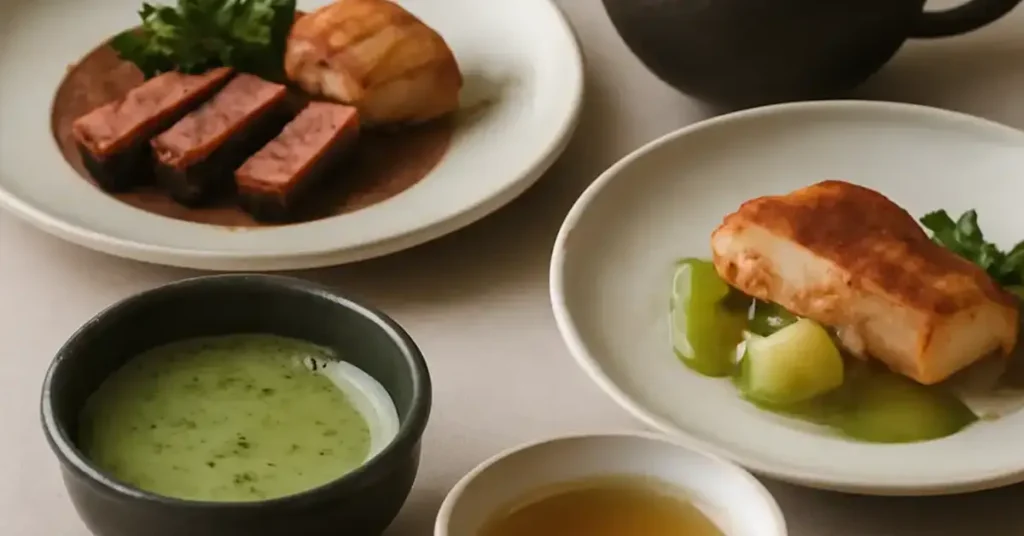
Tea pairing for fine dining Key Takeaways
The world of fine dining has long been dominated by wine pairing, but a quiet revolution is unfolding.
- Rare oolongs (like Oriental Beauty or Tieguanyin) complement delicate appetizers and seafood with their layered aromatics and medium body.
- Ceremonial-grade matcha offers a creamy, savory umami that stands up to rich main courses and grilled proteins.
- Aged pu’er brings depth and a gentle sweetness that pairs beautifully with dark chocolate, nuts, and fruit-based desserts.
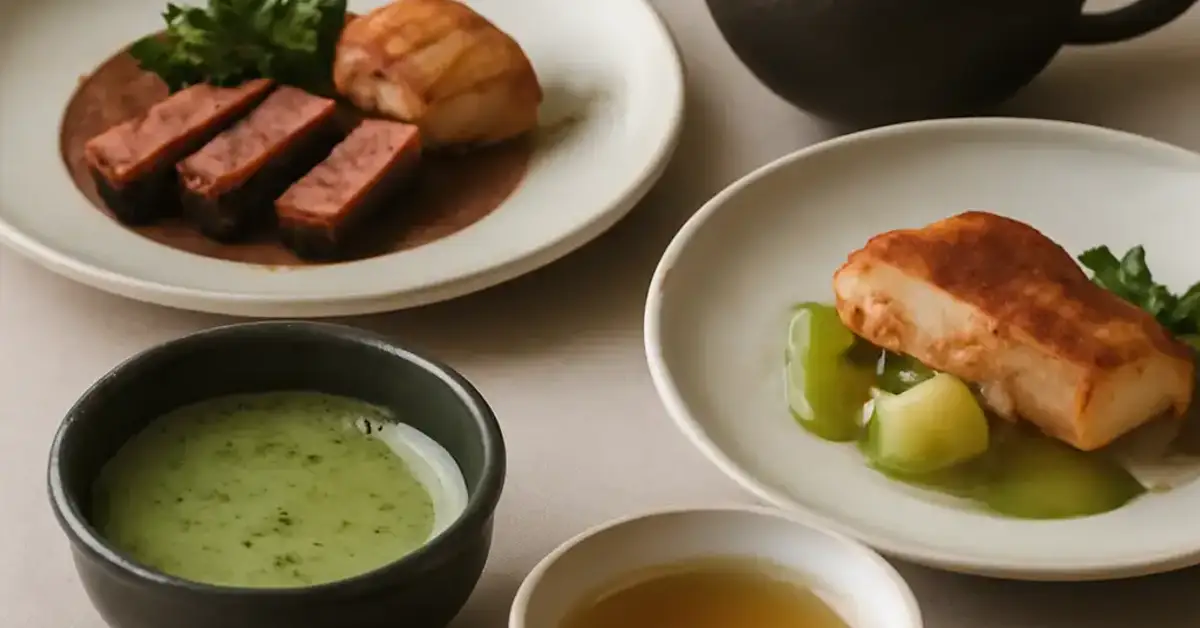
Why Tea Pairing for Fine Dining Deserves a Place on Your Menu
The world of fine dining has long been dominated by wine pairing, but a quiet revolution is unfolding. More chefs and sommeliers are turning to tea pairing for fine dining because tea offers an extraordinary range of flavors — from grassy and vegetal to floral, roasted, and fermented — without the alcohol. This makes it an inclusive option for guests who prefer not to drink wine while still enjoying a meticulously curated sensory experience. For a related guide, see 7 Best Cocktail Pairing Restaurants for a Full Course Experience.
Pairing tea with food is not about replacing wine. It is about exploring a parallel universe of taste where every sip can cleanse the palate, contrast a rich sauce, or echo a subtle spice. The key lies in matching the body and finish of the tea to the intensity and texture of the dish. Lighter teas work with delicate fare, while bold, aged teas can stand next to hearty meats and aged cheeses.
Course-by-Course Guide: How to Pair Rare Oolongs, Matcha, and Aged Pu’er
Building a multi-course tea-pairing menu requires planning. Below is a practical structure that moves from light to bold, mirroring the progression of a traditional tasting menu.
First Course: Rare Oolong Pairing with Appetizers and Seafood
Rare oolongs, especially high-oxidation varieties like Oriental Beauty or traditional Anxi Tieguanyin, are exceptional with the first course. Their floral aromatics, stone fruit notes, and smooth mouthfeel do not overpower delicate ingredients. A rare oolong pairing with oysters on the half shell, lightly cured salmon, or a citrusy ceviche creates a conversation between the tea’s natural sweetness and the dish’s acidity.
When serving oolongs, brew them at around 90°C (195°F) for about 3 minutes in a gaiwan or small teapot. The multiple infusions tradition of oolong means guests can enjoy evolving flavor notes as the meal progresses. Avoid over-steeping, as bitterness can clash with seafood.
Second Course: Matcha Food Pairing with Mains and Grilled Proteins
Matcha food pairing works best with main courses because matcha’s creamy umami and subtle bitterness cut through fat and complement grilled flavors. Ceremonial-grade matcha, whisked to a smooth consistency, pairs wonderfully with roasted chicken, seared duck breast, or grilled vegetables dressed in miso. The chlorophyll-rich notes of matcha mirror the savory depth of a well-browned crust.
For a more adventurous pairing, try a chilled matcha latte alongside a medium-rare steak or a mushroom ragout. The cool, frothy texture contrasts the warm, rich protein, and the tea’s astringency cleanses the palate between bites. Keep the matcha preparation simple — no added sugar — to let the pure vegetal flavor shine.
Third Course: Aged Pu’er Pairing with Cheese and Desserts
Aged pu’er pairing is a revelation for the final sweet or savory course. Pu’er that has been aged for 10 years or more develops a smooth, earthy character with notes of dried fruit, dark chocolate, and sweet wood. These flavors harmonize with aged cheeses like Gouda or Comté, dark chocolate desserts, and nut-based tarts or cakes.
Brew aged pu’er with water just off the boil (95°C) and steep for 1-2 minutes. The tea liquor becomes almost syrupy, coating the palate in a way that softens the acidity of berries and tempers the bitterness of dark chocolate. A well-aged pu’er can even stand up to a cheese course where wine might struggle, especially with blue cheeses where the tea’s sweetness provides a balancing counterpoint.
Foundational Principles of Tea Pairing for Fine Dining
While the tea-by-course framework is useful, a few universal principles will guide any pairing decision:
- Match intensity. A light, floral tea will be lost next to a peppered steak, just as a bold pu’er would overwhelm a delicate consommé. Let the dominant flavor of the dish guide your tea choice.
- Consider temperature. Hot tea pairs with warm dishes, but iced or chilled tea can provide a refreshing contrast to spicy or hot food. Serve accordingly based on the dish’s temperature and texture.
- Use tea that cleanses. Good pairings should reset the palate between bites. Teas with moderate astringency or acidity — like a well-brewed oolong or a young sheng pu’er — work well for this purpose.
- Respect origin stories. A tea grown in Wuyi Mountain has a unique terroir that may pair better with local cuisine or aromatic spices. Experiment with geographic pairings for extra layers of meaning.
Common Mistakes to Avoid in Tea Pairing
Even experienced tea drinkers can stumble when pairing. Avoid these pitfalls:
- Overwhelming the dish. A heavily roasted oolong can dominate subtle fish. Stick to less oxidized varieties for lighter courses.
- Ignoring water quality. Using tap water with chlorine or strong minerals will distort the tea’s flavor. Filtered or spring water is essential.
- Serving tea too hot. Boiling water scalds delicate green teas and matcha. Let water cool to the appropriate temperature for each tea type.
- Forgetting the sweetener. Sugar or honey in tea can change the pairing dynamic entirely. Offer tea without sweeteners, allowing the food to provide sweetness if needed.
Useful Resources
For further reading on tea selection and brewing techniques, these resources offer excellent depth:
- Teasenz Food and Tea Pairing Guide — A comprehensive overview of pairing principles covering Chinese and Japanese tea styles.
- Global Tea Hub Tea Types — Details on oolong, matcha, and pu’er classifications to help you choose the right tea for any course.
Practical Tips for Hosting a Tea-Pairing Dinner
Hosting a tea pairing for fine dining experience at home or in a restaurant setting requires a little preparation. Here are some closing suggestions: For a related guide, see Vietnamese Fine Dining Guide: 5 Elevated Pho and Banh Xeo Secrets.
- Serve small portions. Use 50-100ml cups to match the pace of a tasting menu. Larger bowls dilute the experience.
- Explain the tea. Briefly tell guests the name, origin, and flavor profile of each tea before the course arrives. This deepens appreciation and sets expectations.
- Prepare multiple infusions. Oolongs and pu’ers can be re-steeped several times. Offer a second infusion with the same course to show how the flavor evolves.
- Pair with the sauce, not just the protein. A creamy beurre blanc requires a different tea than a tart vinaigrette, even if served with the same protein.
Frequently Asked Questions About Tea pairing for fine dining
Can I pair tea with wine-friendly dishes?
Yes, many dishes that pair well with white wine also pair beautifully with oolong or green tea. The key is acidity and freshness — teas with floral and citrus notes work similarly to Sauvignon Blanc.
What is the best temperature to brew oolong for pairing?
Most oolongs brew best at 90°C (195°F). High-oxidation oolongs can handle slightly hotter water, while greener oolongs benefit from cooler water around 85°C (185°F).
Is matcha too bitter for food pairing?
High-quality ceremonial matcha is not bitter when properly whisked. Bitterness usually comes from low-grade matcha or overheating the water. Stick to premium grades for dining.
How long should pu’er be aged for pairing?
Aged pu’er typically improves after 5-10 years. For dessert pairing, a 10- to 15-year-old pu’er offers the smoothest, sweetest profile.
Can I serve the same tea with multiple courses?
It is better to serve a different tea for each course to keep the experience dynamic. However, a versatile oolong can be re-steeped and served with two lighter courses.
What if my guest does not like green tea?
Focus on oolongs and pu’ers, which have roasted and earthy flavors that non-green-tea drinkers often enjoy. Avoid grassy or vegetal green teas entirely.
How do I sweeten tea for dessert pairing?
Let the dessert provide the sweetness. If you must sweeten, use a touch of agave or honey, but avoid refined sugar that masks the tea’s nuance.
Does tea pairing work with spicy food?
Yes. A slightly chilled oolong or a young sheng pu’er helps cool the palate while complementing spice. Avoid heavily roasted teas that clash with chili heat.
What type of water is best for tea pairing?
Filtered spring water or purified water works best. Avoid distilled water (flat) or hard tap water (mineral interference).
Can I pre-brew tea for a dinner party?
Yes, but serve the tea within 30 minutes of brewing for best flavor. Oolongs and pu’ers hold up better than green teas after cooling.
Is it acceptable to serve tea in wine glasses?
Wine glasses can work for tea, especially for aromatic oolongs. However, traditional small cups better concentrate the flavor and temperature.
What snacks go well with aged pu’er aside from dessert?
Aged pu’er pairs beautifully with dried fruits, roasted almonds, dark chocolate, and nut-based pastries. It also works with salty crackers or cheese.
How important is the tea’s origin for pairing?
Origin matters because it influences flavor — Taiwanese oolongs are floral, Chinese oolongs more mineral. Matching origin with cuisine style can create harmony.
Can I pair tea with sushi?
Absolutely. Light, floral oolongs or a high-quality gyokuro green tea pair wonderfully with sashimi and nigiri. Avoid heavily roasted teas.
Does tea pairing work for vegetarian menus?
Yes, it is excellent. Vegetable-heavy dishes pair naturally with green teas and oolongs. The umami in matcha complements roasted vegetables and grain bowls.
What is the most common mistake in tea pairing?
Overpowering the dish with a tea that is too strong or too astringent. Always taste the dish first, then choose the tea.
Can I serve tea with cheese plates?
Yes, aged pu’er is especially good with hard cheeses and blue cheeses. Oolongs work with soft, creamy cheeses like brie or camembert.
How do I store rare oolongs for pairing?
Store them in airtight, opaque containers away from heat, light, and moisture. Avoid storing near strong spices or coffee.
Is there a tea that pairs with every course?
No single tea works with every course, but a medium-oxidation oolong like Dong Ding or Ali Shan is versatile enough for many dishes from appetizers to mains.
Can I use tea as a marinade or sauce ingredient?
Yes. Brewed pu’er or matcha can be used in sauces, glazes, or marinades to add depth. This creates a cohesive theme where the tea appears in both the dish and the pairing.