
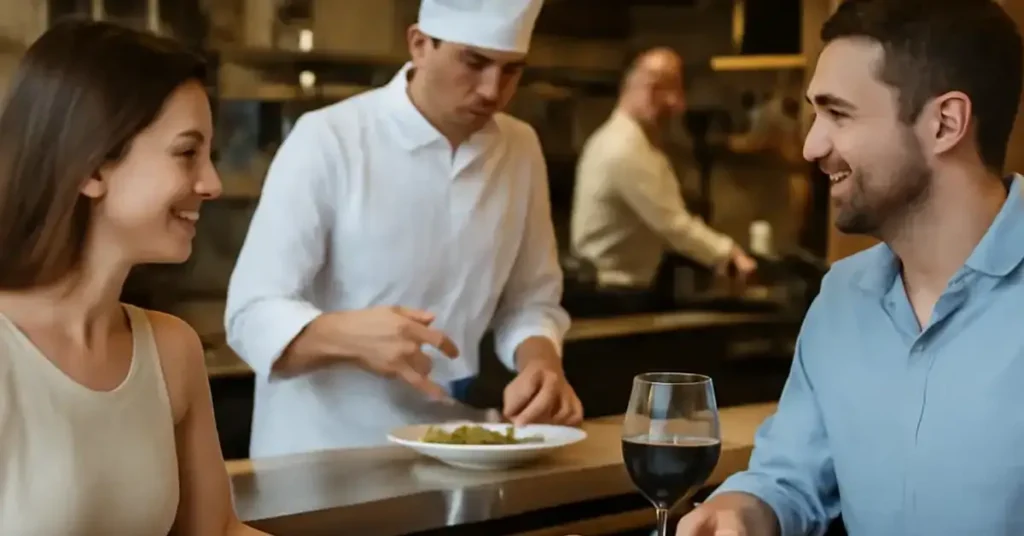
open kitchen dining Key Takeaways
Watching a chef sear a steak or assemble a delicate dessert is as absorbing as any screen.
- Understand why open kitchen dining appeals to modern food lovers.
- Learn how to choose a restaurant with a great chef’s counter or kitchen view.
- Get practical etiquette tips so you and the chefs have a positive experience.
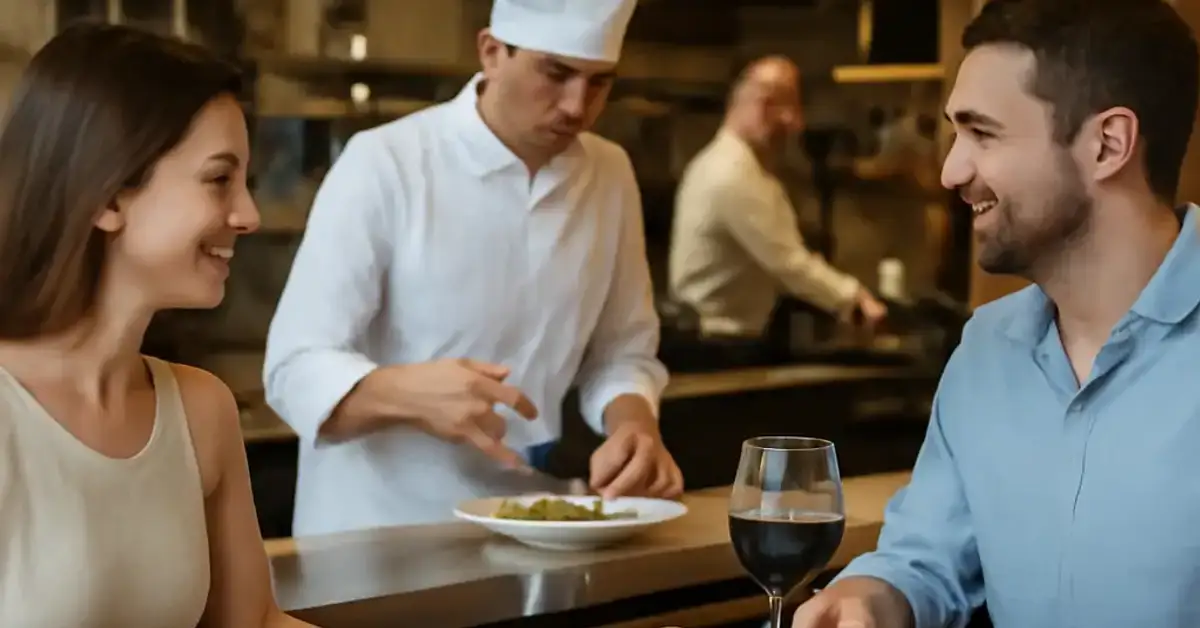
What Makes Open Kitchen Dining So Captivating
There’s something magnetic about seeing a kitchen in full swing. The clatter of pans, the flash of flames, the focused expressions of cooks moving in unison. Open kitchen dining turns cooking into entertainment. It strips away the mystery and invites you into the heart of the restaurant. For a related guide, see 7 Comfort Food Recipes for Rainy Season Fine Dining.
For many diners, this transparency builds trust. You can see the freshness of ingredients and the cleanliness of the workspace. It also adds a sensory layer—the sounds, smells, and heat from the stove make the meal feel more alive.
Why More Restaurants Are Going Open
Chefs love the direct connection with guests. When you see them plating a dish, you appreciate the craftsmanship. Restaurants also save space by removing a wall. The trend started in high-end sushi bars and pizzerias, but now it’s common in steakhouses, bistros, and even casual cafes.
Top Benefits of Open Kitchen Dining You’ll Love
Dining in full view of the kitchen offers rewards beyond the plate. Here are the main reasons food lovers seek out this style. For a related guide, see 7 Best Cocktail Pairing Restaurants for a Full Course Experience.
Live Entertainment While You Eat
Watching a chef sear a steak or assemble a delicate dessert is as absorbing as any screen. The choreography of a busy kitchen is mesmerizing. It adds a layer of excitement that a closed kitchen simply cannot match.
Complete Transparency
You see exactly what goes into your food. No hidden shortcuts, no questionable hygiene. This openness reassures diners who care about quality, allergies, or dietary preferences. It also encourages the kitchen to maintain high standards.
A More Immersive Sensory Experience
The aroma of garlic hitting hot oil, the hiss of a grill, the warmth radiating from the pass—these elements heighten your anticipation. Open kitchen dining engages all five senses before you even take a bite.
Picking the Right Open Kitchen Restaurant
Not every open kitchen setup is created equal. Use these criteria to choose a restaurant that delivers a memorable experience.
Layout and Seating
Look for a place with a chef’s counter or bar seating that faces the kitchen. Tables near the pass (where plates are finished) also offer a great vantage point. Avoid spots right next to the dishwasher or the expediter station—those areas are chaotic and less scenic.
Noise and Conversation
Open kitchens are loud. If you want a quiet romantic dinner, this might not be the best choice. But if you enjoy energy and the buzz of a working kitchen, it’s perfect. Check recent reviews to gauge noise levels before booking.
Chef Interaction
Some restaurants encourage conversation with the cooks. At a sushi counter, you can ask about the fish. At a pizzeria, you might see your pie being tossed. If interaction matters to you, choose a smaller, chef-driven spot rather than a large production kitchen.
Common Mistakes to Avoid at an Open Kitchen
Even seasoned diners slip up. Here are the pitfalls to steer clear of when engaging in open kitchen dining.
Trying to Chat During a Rush
Chefs are under immense pressure during peak hours. Asking about the recipe when they’re juggling six tickets is not the time. Wait until service slows down or catch the chef’s eye and give a simple nod of appreciation.
Blocking the Line
If you get up to use the restroom or take a photo, don’t stand in the middle of the kitchen pathway. Stay out of the way of runners and cooks moving between stations.
Leaning Over the Counter
It’s tempting to get close to the action, but leaning over the counter can be unsanitary and dangerous. Hot oil can splatter, and chefs need clear sight lines. Enjoy the view from your seat.
Etiquette Tips for a Great Open Kitchen Experience
A little courtesy goes a long way. Follow these simple guidelines to make the experience enjoyable for everyone.
- Arrive on time. Late arrivals disturb the flow. If you’re at the counter, your empty seat disrupts the rhythm.
- Compliment the food. A simple “this is delicious” goes a long way. Avoid criticizing loudly where other guests can hear.
- Keep your phone low. Photos are fine, but don’t use flash or hold the phone above your head. It distracts the cooks.
- Tip well. The kitchen staff often sees the tip percentage. Generosity reflects well on you and supports the whole team.
What to Look For in the Kitchen: Signs of a Great Operation
Use your front-row seat to judge the quality of the restaurant. These positive signals indicate a well-run kitchen.
| Signal | What It Means |
|---|---|
| Clean, organized station | Chefs respect their workspace and value efficiency. |
| Calm communication | Orders are called clearly; no shouting or chaos. |
| Fresh mise en place | Ingredients are prepped in-house, rarely from bags. |
| Even plating | Every plate looks identical—attention to detail. |
Final Thoughts on Open Kitchen Dining
Open kitchen dining offers a window into the soul of a restaurant. It’s entertaining, transparent, and sensory-rich. By choosing the right restaurant, avoiding common mistakes, and following good etiquette, you elevate your meal from mere consumption to an experience. Next time you book a dinner, consider the chef’s counter. You might never want to sit anywhere else. For a related guide, see Year-End Corporate Party Guide: 7 Smart Venues for Company Fine Dining Events.
Useful Resources
Learn more about restaurant kitchen design and dining trends from these trusted sources.
Frequently Asked Questions About open kitchen dining
What is open kitchen dining ?
It’s a restaurant layout where the kitchen is visible from the dining area, often with counter seating. Guests can watch chefs prepare their food.
Is open kitchen dining louder than regular dining?
Yes, open kitchens tend to be louder because of clattering pans, sizzling grills, and chefs calling out orders. Many diners enjoy the energy, but it’s worth considering if you prefer a quiet meal.
Can you talk to the chefs in an open kitchen?
Often yes, especially at a chef’s counter. But avoid chatting during busy periods. A brief compliment or question about the food is fine once things slow down.
What should I wear to an open kitchen restaurant?
Smart casual works for most places. Avoid loose sleeves or dangling jewelry near the counter, as they can catch on equipment.
Is open kitchen dining more expensive?
Not necessarily. Many mid-range and casual restaurants also use open kitchens. However, chef’s counter seats at high-end spots often command a premium.
How do I get the best seat in an open kitchen restaurant?
Book a seat at the chef’s counter if available. Otherwise, request a table near the kitchen pass. Call ahead and mention your preference.
Do open kitchens smell like food all the time?
Yes, you’ll smell cooking aromas more strongly. Most diners find it appetizing, but if you’re sensitive, choose a seat farther from the kitchen.
Are open kitchens sanitary?
Reputable restaurants maintain strict hygiene. Seeing the kitchen actually reassures diners of cleanliness. If you spot something unsanitary, ask to speak with the manager.
What if I have a food allergy? Should I sit at the counter?
It can be helpful because you can communicate directly with the chef. However, open kitchens also have cross-contamination risks. Alert the staff beforehand.
Can children enjoy open kitchen dining ?
Absolutely. Kids are often fascinated by the action. Just supervise them so they don’t reach over the counter or wander into the kitchen.
What cuisine types commonly have open kitchens?
Japanese sushi bars, Italian pizzerias, American steakhouses, and modern bistros frequently use open kitchens. It’s also common in teppanyaki and hot pot restaurants.
Should I tip differently at an open kitchen restaurant?
Standard tipping applies. If you sat at the counter and the chef served you directly, consider a larger tip to acknowledge their extra effort.
Can I take photos and videos of the kitchen?
Usually yes, but avoid using flash and don’t hold your phone over the cooking area. Respect the kitchen’s rhythm.
Is it rude to watch the chefs while eating?
Not at all. They expect to be watched. In fact, many chefs enjoy having an audience. Just don’t stare fixedly or make them uncomfortable.
What if I don’t like the way the kitchen operates?
You can always request to move to a different table. If you have a serious concern about safety, mention it to the manager discreetly.
Do open kitchens work well for large groups?
They can, but large parties are often seated in a separate dining area away from the counter. Call ahead to confirm seating arrangements.
Are open kitchens a passing trend?
No. They’ve been popular for decades and continue to grow, especially in casual and up-casual dining. Diners value the transparency and entertainment.
What’s the difference between an open kitchen and a show kitchen?
An open kitchen is fully visible but may be partially enclosed by glass. A show kitchen is fully exposed and often includes a counter for direct interaction. Both are forms of open kitchen dining.
Can I request a specific chef to cook my meal?
In some omakase or tasting menu spots, yes. In larger kitchens, it’s not practical. Ask politely when booking if the chef has a dedicated station.
How do I find restaurants near me with open kitchens?
Use restaurant review apps and filter by keyword “chef’s counter” or “open kitchen.” Look at photos on the restaurant’s website to confirm the layout.