
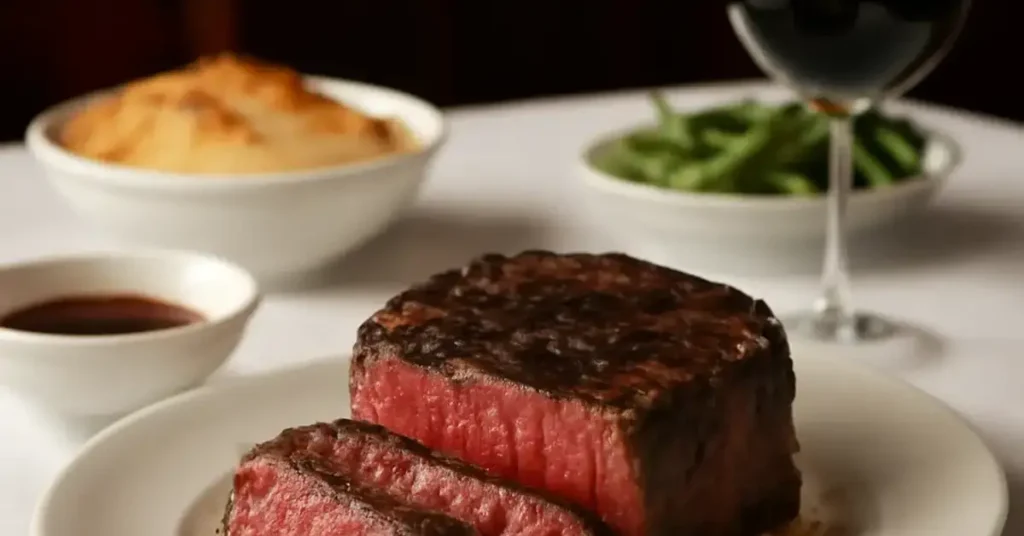
Steakhouse Fine Dining Key Takeaways
Walking into a high-end steakhouse can feel intimidating when menus list terms like "45-day dry-aged" and " A5 wagyu .
- Steakhouse fine dining hinges on three pillars: dry-aging technique, wagyu marbling grades, and precise doneness temperatures.
- Prime dry-aged beef develops concentrated flavor through controlled moisture loss, while wagyu grades A3 through A5 represent ascending levels of intramuscular fat.
- Using a steak doneness guide — from rare at 120°F to well-done at 160°F — ensures you get the texture and juiciness you pay for.
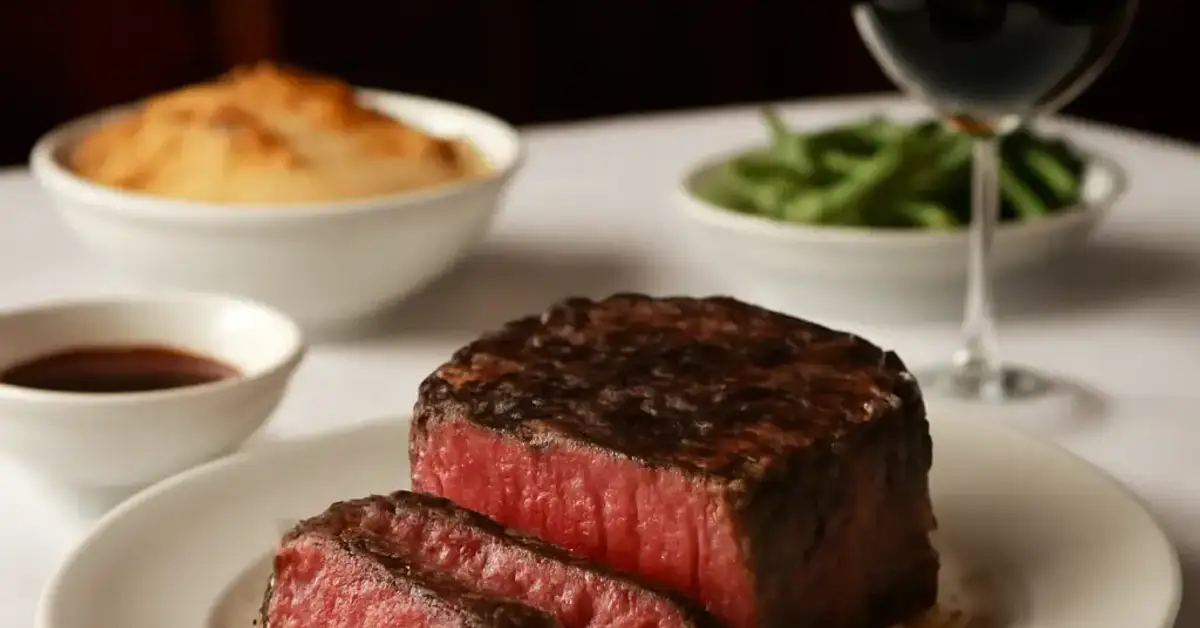
What Readers Should Know About Steakhouse Fine Dining
Walking into a high-end steakhouse can feel intimidating when menus list terms like “45-day dry-aged” and “A5 wagyu.” The reality is that steakhouse fine dining follows clear principles rooted in beef science and culinary tradition. Once you understand the processes behind the price tag, you can make informed choices that match your taste and budget. For a related guide, see 5 Best Deepavali Fine Dining Tasting Menus: Expert Guide.
This guide breaks down the three core topics every steak lover should know: the dry-aging method that creates umami-packed crust, the Japanese wagyu grades system that measures marbling, and the steak doneness guide that ensures perfect internal temperature. Whether you are celebrating a special occasion or simply treating yourself, this knowledge helps you order like a seasoned regular.
Understanding Dry-Aged Steak and Its Flavor Profile
Dry-aging is a controlled decomposition process that concentrates beef flavor. Whole subprimal cuts are stored in humidity- and temperature-controlled rooms for several weeks. During that time, enzymes break down connective tissue while moisture evaporates, creating a deeper, nuttier, almost blue-cheese-like taste that cannot be replicated with wet-aged beef.
The Dry-Aging Process Step by Step
Prime dry-aged beef starts with high-quality primal cuts, usually from the rib or loin. The meat rests on racks in a cooler set just above freezing (33–37°F) with moderate air circulation and 80–85% humidity. As days pass, a crust forms on the surface; that crust is trimmed off before cooking, leaving the interior tender and concentrated.
Key Timeframes
Most steakhouses age beef 21 to 45 days. A 21-day dry-aged steak offers noticeable improvement over fresh, while 45-day aging delivers a more intense, funky flavor. Beyond 60 days, the taste becomes extremely strong and the yield drops significantly, making those steaks expensive and acquired.
Dry-Aged vs. Wet-Aged: What You Actually Taste
Wet-aging happens in vacuum-sealed bags and retains moisture. It keeps the beef tender but lacks the concentrated, savory notes of dry-aging. On the plate, a dry-aged steak has a firmer texture and a darker, more profound crust when seared. If you prefer a cleaner, more straightforward beef flavor, wet-aged steak may be your preference. But for complexity, dry-aged wins.
Wagyu Grades: From A3 to A5 Explained
Wagyu refers to four Japanese cattle breeds known for intense marbling. The Japanese grading system uses two ratings: yield grade (A, B, or C) and meat quality grade (1 through 5). For diners, the most important number is the quality grade, especially the Beef Marbling Standard (BMS) score that runs from 1 to 12.
What the Numbers Actually Mean
An A5 wagyu grades designation means the highest yield grade (A) and the highest quality grade (5), which corresponds to a BMS of 8 to 12. At this level, the fat melts at room temperature and the meat has a buttery, rich texture. A4 wagyu (BMS 5–7) still offers excellent marbling but with slightly less richness. A3 wagyu is similar to American prime and is often used in sukiyaki or shabu-shabu.
| Grade | BMS Score | Fat Characteristics | Best Use |
|---|---|---|---|
| A3 | 3–4 | Moderate marbling, firm fat | Steaks, hot pot |
| A4 | 5–7 | Abundant marbling, creamy | Grilled steaks, shabu-shabu |
| A5 | 8–12 | Extremely high marbling, melts near room temp | Searing quickly, sashimi-style |
When you see “A5 wagyu” on a menu, expect a small portion — usually 4–6 ounces — because the richness is intense. Chefs recommend cooking it to medium-rare or even rare to avoid rendering away the precious fat.
Steak Doneness Guide with Temperature and Visual Cues
Ordering the correct doneness is the fastest way to ensure a satisfying meal. Chefs use internal temperature as the guide, but visual and tactile cues help you verify without a thermometer. Here is a practical steak doneness guide for the most common levels.
Doneness Levels at a Glance
- Rare (120–125°F): Cool red center, soft texture, bright red juice. The steak feels spongy when pressed.
- Medium-Rare (130–135°F): Warm red center, the most popular choice in fine dining. Juices run red, and the steak has a slightly firmer feel.
- Medium (140–145°F): Pink center with more gray-brown toward the edges. Juices become pale pink. The steak springs back gently when pressed.
- Medium-Well (150–155°F): Slight hint of pink in the center, mostly brown. Little juice remains. The steak feels firm.
- Well-Done (160°F+): No pink, fully brown throughout. Dry texture. Many steakhouses discourage this because it sacrifices tenderness, but if that is your preference, order a cut with more fat like a ribeye.
How to Communicate Your Order
Tell your server the temperature level you want, not just a word. For example, “I prefer medium-rare, around 130 degrees.” This eliminates ambiguity. If you are trying a prime dry-aged steak or A5 wagyu for the first time, ask the chef for a medium-rare recommendation — most experts agree that preserves the delicate fat structure.
Perfect Pairings: Sides, Wine, and Sauces
Great steakhouse dining extends beyond the meat. The right side dish, wine, and sauce elevate the entire experience without overpowering the beef.
Classic Sides That Complement Beef
Creamed spinach, roasted mushrooms, and truffle fries are staples because their earthy, creamy profiles balance the savory richness of steak. For a lighter option, a crisp Caesar salad or grilled asparagus cuts through the fat. Avoid heavily spiced sides that compete with the meat’s natural flavor.
Wine Pairing Guidelines
- Lean cuts (filet mignon): Pinot Noir or a medium-bodied Cabernet Franc.
- Marbled cuts (ribeye, wagyu): Full-bodied Cabernet Sauvignon, Malbec, or Syrah.
- Dry-aged steak: Bold reds with some age, such as a Bordeaux blend or Barolo.
Dining Etiquette Tips for Steakhouse Fine Dining
Knowing how to navigate a fine-dining steakhouse helps you feel comfortable and shows respect for the craft. Here are a few practical etiquette pointers.
- When the server presents the raw meat tray, examine the marbling and ask questions — it shows you care about quality.
- Order all courses (appetizer, steak, sides) at once so the kitchen can time the meal properly.
- Use your steak knife properly: rest it on the edge of the plate between cuts, not on the tablecloth.
- If you request a sauce, ask for it on the side so the steak’s crust stays crisp.
- Taste the steak before seasoning — many fine-dining chefs season precisely and adding salt prematurely masks their work.
Conclusion: Becoming a Confident Steakhouse Guest
Mastering steakhouse fine dining comes down to three pieces of knowledge: recognizing the depth of flavor in prime dry-aged beef, understanding what wagyu grades like A5 actually signify, and using a steak doneness guide to order exactly what you enjoy. Next time you visit a high-end steakhouse, remember that the staff respects curious guests. Ask about aging times, marbling scores, and temperature preferences. That curiosity leads to better meals and builds a lasting appreciation for one of the most refined culinary experiences available. For a related guide, see Vietnamese Fine Dining Guide: 5 Elevated Pho and Banh Xeo Secrets.
Useful Resources
For deeper reading on beef grading and dry-aging science, visit the USDA beef grading page to see official standards. For wagyu specifics, the American Wagyu Association offers detailed explanations of BMS scores and Japanese grading.
Frequently Asked Questions About Steakhouse Fine Dining
What is the difference between dry-aged and wet-aged steak?
Dry-aged steak is stored uncovered in a controlled environment for weeks, allowing moisture to evaporate and enzymes to break down tissue, creating a concentrated, nutty flavor. Wet-aged steak is vacuum-sealed and retains moisture, resulting in a cleaner, more straightforward beef taste with a softer texture.
How long should steak be dry-aged?
Most steakhouses dry-age beef for 21 to 45 days. Twenty-one days provides noticeable improvement over fresh, while 45 days yields a much stronger, more complex flavor. Aging beyond 60 days is rare and targeted toward enthusiasts who enjoy intense, funky notes.
Is dry-aged steak safe to eat?
Yes, when done properly under controlled temperature, humidity, and airflow, dry-aging encourages beneficial mold and enzymes while preventing spoilage. The outer crust is trimmed before cooking, leaving the interior fully safe and flavorful.
What does A5 wagyu mean?
A5 is the highest grade in the Japanese beef grading system. The “A” refers to the highest yield grade, and the “5” refers to the highest quality grade, which corresponds to a Beef Marbling Standard (BMS) score of 8 to 12. This means extremely high intramuscular fat that melts at room temperature.
Is all wagyu from Japan?
Authentic Japanese wagyu comes from four specific breeds raised in Japan. Wagyu cattle are also raised in the United States, Australia, and other countries, often crossbred with Angus. American wagyu is typically graded using USDA standards, though some producers aim for Japanese-style marbling.
What is the best doneness for wagyu?
Most chefs recommend medium-rare (130–135°F) for wagyu, especially A5. This temperature melts the abundant fat without rendering it out completely. Cooking wagyu beyond medium tends to make the steak greasy and diminishes its unique texture.
Can you eat wagyu rare?
Yes, rare wagyu (120–125°F) is safe and appreciated by many connoisseurs, provided the meat has been properly handled. The high fat content keeps the texture pleasant even at lower temperatures, though some of the fat will remain solid.
Why is prime dry-aged beef more expensive?
Prime dry-aged beef costs more because of the high-quality primal cuts used, the weeks of controlled storage, and the weight loss (up to 30% or more) from moisture evaporation and trimming the crust. The end product is a smaller, more concentrated steak with unique flavor.
How can I tell the doneness of a steak without a thermometer?
Use the hand test: press the center of the steak and compare it to the fleshy part of your palm below the thumb. Rare feels like a relaxed hand, medium-rare feels like a slightly tensed hand, medium feels firmer, and well-done feels fully tensed. Visual cues like juice color also help.
What temperature is medium-rare steak?
Medium-rare steak has an internal temperature of 130–135°F. The center is warm, red, and juicy. This is the most popular doneness in fine-dining steakhouses because it balances tenderness with flavor.
Does a steak continue to cook after being removed from heat?
Yes, carryover cooking raises the internal temperature by 5–10°F after the steak is removed. Chefs often pull the steak from the heat 5°F below the target doneness to account for this rise.
What is the best cut for dry-aging?
Ribeye (bone-in or boneless) is the most popular cut for dry-aging because of its generous marbling and robust flavor. Striploin (New York strip) and porterhouse are also common. Lean cuts like filet mignon dry-age less successfully because they lack enough fat to compensate for moisture loss.
Should you salt steak before cooking?
Yes, salting at least 40 minutes before cooking (or up to 24 hours in advance) allows salt to penetrate the meat, improving flavor and texture. If you salt just before cooking, the salt mostly stays on the surface and can create a dry exterior.
Do you flip steak more than once?
For a perfect crust, flip the steak only once during cooking. Multiple flips prevent the surface from reaching the high temperature needed for the Maillard reaction. Let the steak sear undisturbed for 3–5 minutes per side depending on thickness.
What wine goes best with a dry-aged steak ?
Bold, full-bodied red wines with good structure complement the intense flavor of dry-aged beef. A Cabernet Sauvignon from Napa Valley, a Bordeaux blend, or a Barolo from Italy are classic choices. The wine’s tannins help cut through the richness.
Is it rude to send a steak back in a fine-dining restaurant?
It is acceptable to send a steak back if it is significantly undercooked or overcooked relative to your order. Politely explain the issue to your server. Fine-dining establishments want you to enjoy your meal and will typically fix the problem without fuss.
What sides pair best with a wagyu steak?
Simple, lightly dressed sides work best so they do not compete with wagyu’s richness. Grilled asparagus, sautéed shiitake mushrooms, and a crisp green salad with vinaigrette are ideal. Avoid heavy cream-based sides that add unnecessary fat.
How do steakhouses get a perfect crust?
High heat is the secret — steakhouses use broilers, salamanders, or cast-iron grills that reach 700°F or more. The surface of the steak is patted dry, seasoned, and seared quickly to develop a deep, flavorful crust without overcooking the interior.
What is the best temperature to rest a steak?
Rest the steak on a cutting board or warm plate for 5–10 minutes, loosely tented with foil. Resting at room temperature (not in the fridge) allows juices to redistribute. The internal temperature may rise 5°F during rest, so account for that when pulling from heat.
Can I bring my own steak to a steakhouse?
Policies vary. Some steakhouses allow you to bring your own dry-aged or specialty cut for a corkage-style fee, but you must call ahead. Most fine-dining restaurants prefer you order from their menu, as they have curated their sourcing and preparation methods.