
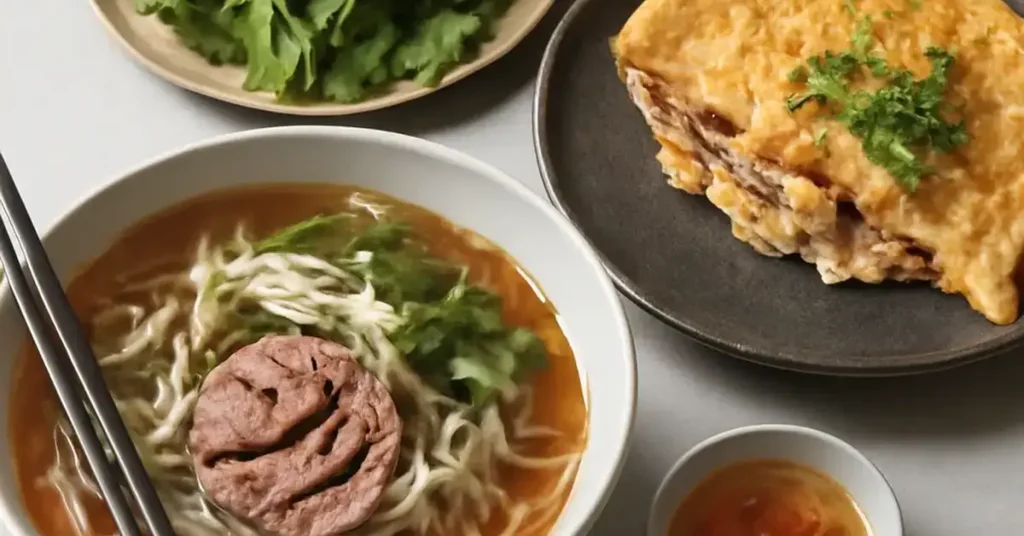
Vietnamese fine dining guide Key Takeaways
Modern Vietnamese fine dining is redefining beloved street food classics like pho and banh xeo through refined techniques, premium ingredients, and artistic presentation.
- Elevated pho recipes use clarified broths, dry-aged beef, and wine pairings to transform the classic bowl.
- Upscale banh xeo features crispy rice flour crepes filled with lobster, truffle oil, and micro herbs.
- Vietnamese herbs cuisine plays a starring role, adding complexity through rare varieties and garnishes.
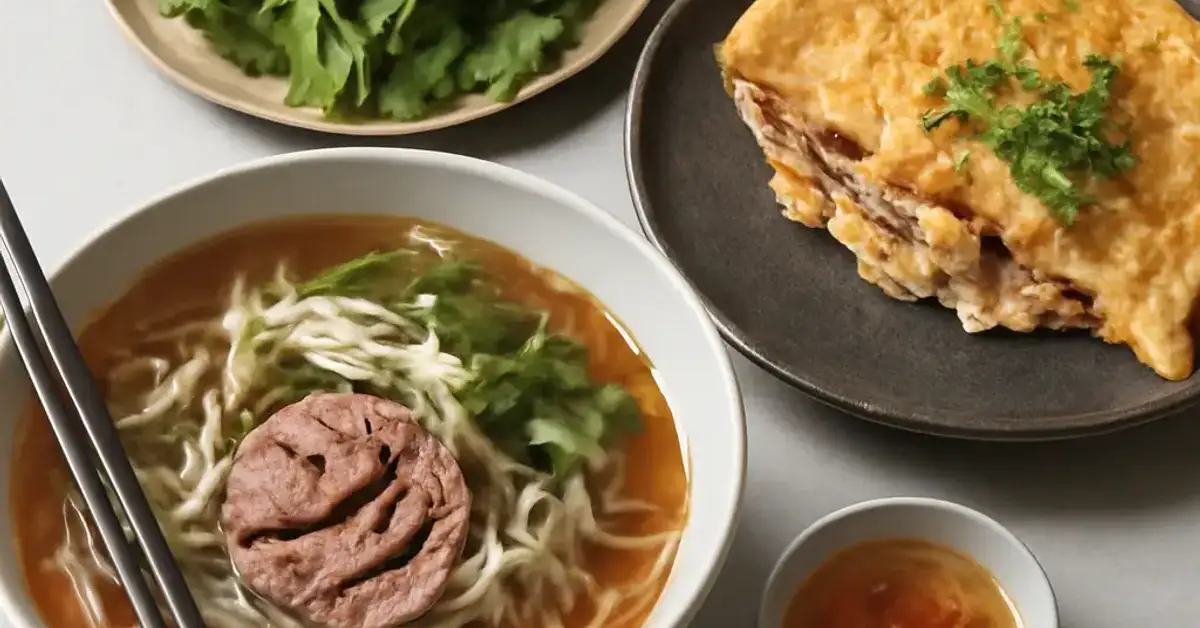
What Makes Modern Vietnamese Fine Dining Unique
The global rise of Vietnamese fine dining is one of the most exciting culinary movements of the last decade. Chefs from Hanoi to Ho Chi Minh City, and from London to New York, are reimagining Vietnam’s vibrant street food culture on white tablecloths. The magic lies in balancing authenticity with innovation—retaining the soul of pho, banh xeo, and herb-driven dishes while elevating technique, sourcing, and plating. For a related guide, see 7 Comfort Food Recipes for Rainy Season Fine Dining.
Key elements include precision cooking methods like sous-vide for meats, clarified consommé-style broths, and edible flowers as garnishes. Wine and cocktail programs are carefully curated to complement the bright, herbal, and umami-rich flavors of modern Vietnamese cuisine.
5 Elevated Dishes Defining Vietnamese Haute Cuisine
Below, we break down five standout dishes from top modern Vietnamese restaurants. Each section covers origins, refined ingredients, chef techniques, and suggested pairings.
1. Clarified Pho Bo with Dry-Aged Wagyu
Origins: Pho bo, the classic beef noodle soup, originated in northern Vietnam in the early 20th century. Traditional versions simmer beef bones for hours to create a cloudy, flavorful broth.
Elevated twist: Fine dining versions start with a double-clarified broth using an egg raft, resulting in a crystal-clear consommé with intense beef depth. Chefs use dry-aged Australian Wagyu or A5 Japanese Kobe, sliced tableside. Toppings include bone marrow dumplings and fresh sawtooth herb.
Pairing: A chilled glass of Chenin Blanc or a light Pinot Noir complements the richness. For cocktails, a yuzu-ginger highball works beautifully.
2. Lobster Banh Xeo with Truffle Nuoc Cham
Origins: Banh xeo, literally “sizzling cake,” is a crispy Vietnamese crepe made from rice flour, turmeric, and coconut milk. It’s traditionally filled with shrimp, pork, and bean sprouts.
Elevated twist: Upscale versions swap standard fillings for butter-poached Maine lobster, shaved black truffle, and a drizzle of truffle-infused nuoc cham (fish sauce dip). The crepe is fried in clarified butter for a shatteringly crisp texture. Micro cilantro and Thai basil add freshness.
Pairing: A rich Chardonnay or a Champagne Blanc de Blancs cuts through the crispness. A lychee-and-soda water cocktail with a hint of chili salt is a bold alternative. For a related guide, see Non‑Alcoholic Pairing Guide – 7 Best Juice, Tea and Kombucha Matches.
3. Herb-Crusted Cauliflower Steak with Dukkah and Rau Ram
Origins: Vegetables play a supporting role in traditional Vietnamese meals, but herbs are central. Vietnamese herbs cuisine includes rau ram (Vietnamese coriander), perilla, and mint.
Elevated twist: A whole cauliflower is roasted, then sliced into thick steaks, coated in a house-made Vietnamese dukkah (roasted seeds, dried shrimp, spices), and served with a rau ram pesto. Edible flowers and pickled daikon complete the plate.
Pairing: A dry Riesling or a Grüner Veltliner highlights the herbal notes. A gin-based cocktail with cucumber and lime is a refreshing match.
4. Imperial Shaking Beef (Bo Luc Lac) with Black Garlic Glaze
Origins: Bo luc lac, or shaking beef, is a French-influenced Vietnamese stir-fry of cubed beef seared in a wok and served over watercress.
Elevated twist: Chefs use dry-aged ribeye, seared in a smoking-hot cast iron pan, and finished with a black garlic and tamarind glaze. The dish is plated with a watercress and kumquat salad and a side of jasmine rice infused with pandan leaf.
Pairing: A full-bodied Malbec or a smoky Mezcal Negroni stands up to the bold glaze.
5. Chè Thập Cẩm (Vietnamese Dessert Soup) with Coconut Foam
Origins: Chè is a traditional sweet soup or pudding, often made with beans, tapioca, and coconut milk.
Elevated twist: This fine dining version layers a lightly sweetened mung bean purée, housemade tapioca pearls, jackfruit coulis, and a coconut foam infused with lemongrass. It’s served in a glass bowl with a tuile cracker.
Pairing: A late-harvest Gewürztraminer or a spiced rum cocktail with coconut water and lime.
The Role of Vietnamese Herbs Cuisine in Fine Dining
Herbs are the soul of Vietnamese cooking. In Vietnamese herbs cuisine, they are not merely garnishes—they provide layers of aroma, heat, and freshness. Chefs are now sourcing rare varieties like fish mint (diếp cá), purple shiso, and rice paddy herb (ngò om) from specialty farms.
Herbs are used in three distinct ways:
1. Infusions – steeped into broths, syrups, and oils.
2. Garnishes – placed artfully on plates for visual contrast and last-minute flavor.
3. Core ingredients – blended into marinades, pestos, and sauces.
This herb-forward approach aligns with global trends toward plant-based flavors and delicate seasoning.
Pairing Wine and Cocktails with Vietnamese Fine Dining
The complexity of Vietnamese fine dining—sweet, sour, salty, spicy, and bitter—presents pairing challenges and opportunities. A few principles guide top sommeliers:
- Aromatic whites (Riesling, Gewürztraminer) handle heat and herbs.
- Low-tannin reds (Pinot Noir, Gamay) work with beef dishes without overpowering.
- Sparkling wines cut through fried textures in banh xeo.
- Cocktails featuring Southeast Asian ingredients (lemongrass, kaffir lime, chili) enhance rather than clash.
The Future of Vietnamese Haute Cuisine
As more chefs gain international recognition—from the Michelin-starred Anan Saigon to London’s Cây Tre—the Vietnamese fine dining guide continues to evolve. Expect increased focus on regional micro-cuisines (like Huế’s royal dishes), fermentation techniques, and zero-waste use of herbs and vegetables.
The next wave will see even greater cross-cultural collaboration, with Vietnamese techniques layered into European or Japanese frameworks. The key is respect for origins, paired with fearless creativity.
Useful Resources
For more on Vietnamese fine dining trends and recipes, visit Saveur’s guide to modern Vietnamese cooking. To explore regional herb varieties, check Grow Vietnamese’s herb database.
Frequently Asked Questions About Vietnamese fine dining guide
What is Vietnamese fine dining ?
It’s a culinary movement that elevates classic Vietnamese street food and family dishes through refined techniques, premium ingredients, artistic presentation, and thoughtful beverage pairings.
Is Vietnamese fine dining expensive?
Pricing varies, but tasting menus at top restaurants typically range from $80 to $200 per person, reflecting ingredient quality, labor, and ambiance.
Where can I find modern Vietnamese fine dining ?
Major cities worldwide have acclaimed spots—Anan Saigon in Ho Chi Minh City, Cây Tre in London, and Nômada in New York are a few examples.
What makes an elevated pho recipe different from traditional pho?
Elevated pho uses clarified broth, premium meats like Wagyu, house-made noodles, and refined garnishes such as micro herbs and edible flowers.
How do chefs make banh xeo upscale ?
They use high-end fillings (lobster, truffle), clarified butter for frying, and serve with artfully plated dipping sauces and micro herbs.
Which herbs are essential in Vietnamese herbs cuisine ?
Key herbs include Thai basil, mint, cilantro, rau ram (Vietnamese coriander), perilla, and fish mint.
What wine goes with Vietnamese food?
Aromatic whites like Riesling and Gewürztraminer, low-tannin reds like Pinot Noir, and sparkling wines are popular choices.
Can Vietnamese fine dining be vegetarian?
Yes, many restaurants offer vegetarian or vegan tasting menus featuring herb-crusted vegetables, mushroom broths, and tofu preparations.
Do fine dining versions still use fish sauce?
Absolutely—high-quality artisan fish sauce is essential. Chefs often age it or blend it with citrus and herbs for depth.
How is pho broth clarified?
Chefs use an egg raft—a mixture of egg whites and ground meat—that traps impurities as it simmers, leaving a crystal-clear consommé.
What is the best cut of beef for shaking beef?
Ribeye or sirloin with good marbling works best; dry-aging adds extra flavor and tenderness.
Are Vietnamese fine dining restaurants spicy?
Heat levels vary, but chefs often moderate spice in tasting menus so guests can enjoy each course. Fresh chili and pepper are used as accents.
What is a typical tasting menu length?
Most modern Vietnamese restaurants offer 5 to 8 courses, occasionally extending to 12 for special occasions.
How are herbs used differently in fine dining?
Herbs are used in infusions, pestos, and foams—not just as garnishes. Chefs also incorporate rare varieties and edible flowers for visual impact.
What dessert is common in Vietnamese fine dining ?
Chè (sweet soup), coconut-based panna cotta, and pandan crème brûlée are popular reinterpretations of traditional sweets.
Is there a dress code for Vietnamese fine dining ?
Most fine dining restaurants recommend smart casual or business casual, though some upscale spots require jackets for men.
How does modern Vietnamese fine dining differ from fusion?
It respects Vietnamese flavor profiles and techniques while using global methods and ingredients, rather than blending cuisines indiscriminately.
What are the best drinks to pair with banh xeo?
Sparkling wine, a crisp Sauvignon Blanc, or a gin-and-tonic with cucumber and mint complement the crispy, savory crepe.
Can I cook elevated Vietnamese dishes at home?
Yes—start with a clarified pho broth, use qualitiy meat and herbs, and focus on presentation. Many online resources guide home cooks.
What is the future of Vietnamese fine dining ?
Expect more regional specialization, fermentation projects, and zero-waste herb use. Younger chefs are also blending Vietnamese culinary philosophy with global techniques.