
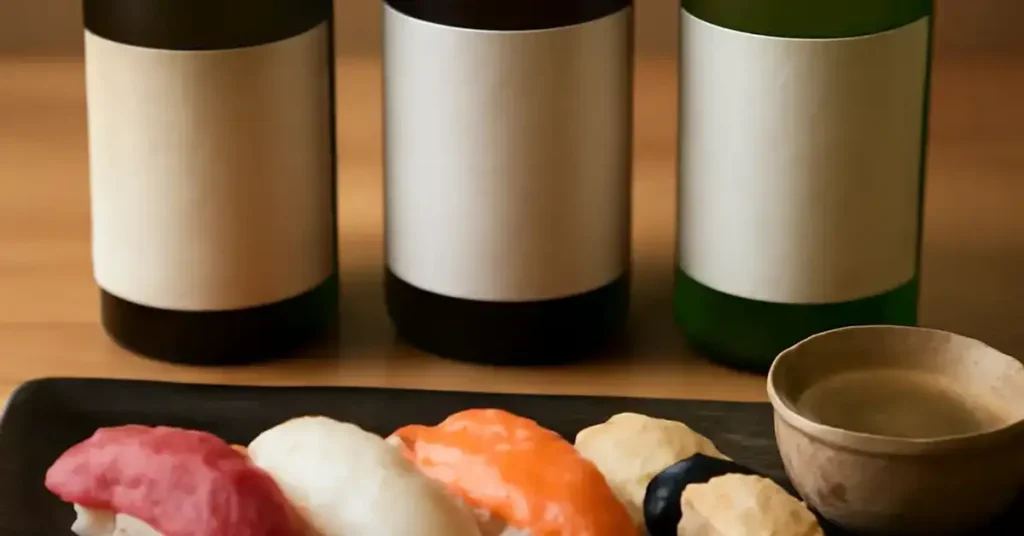
sake pairing for omakase Key Takeaways
Mastering sake pairing for omakase means understanding how rice polishing ratio and serving temperature affect flavor.
- Choose Junmai for bold, umami-heavy omakase courses; serve it chilled, room temp, or gently warmed.
- Select Daiginjo for delicate nigiri and sashimi; serve it well-chilled to preserve its fragrant profile.
- Always ask your sake sommelier about the recommended serving temperature—it can change dramatically from bottle to bottle.
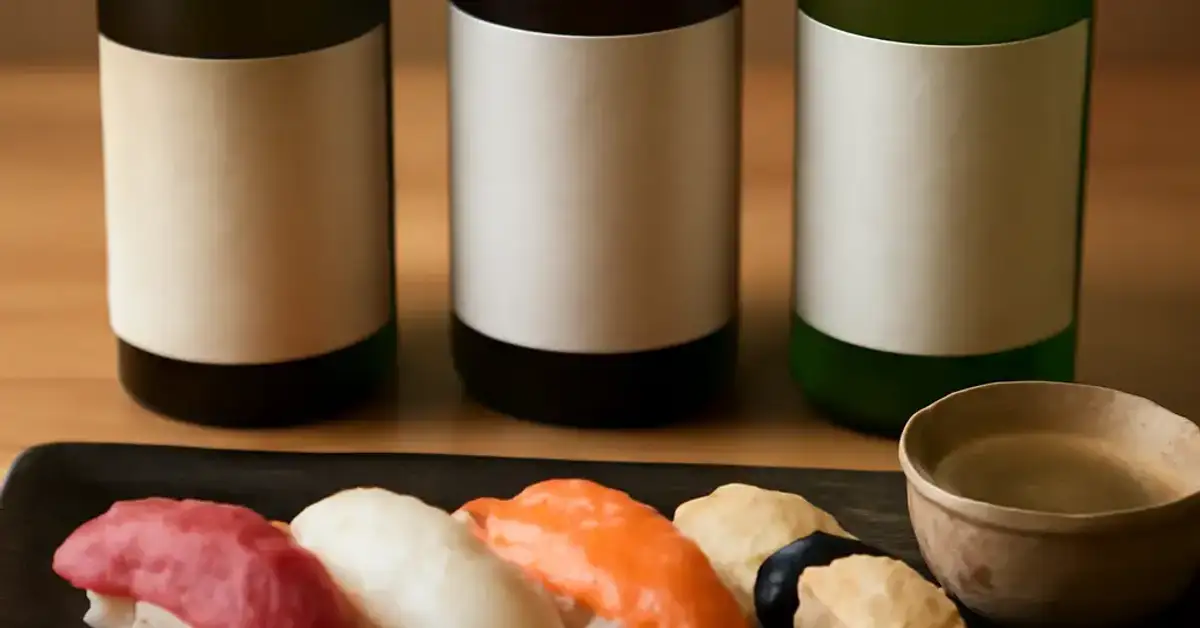
Why Sake Pairing for Omakase Depends on More Than Rice
Omakase, meaning “I leave it up to you,” is an intimate dining experience where the chef selects each course based on the freshest ingredients. The right sake pairing for omakase elevates the entire meal—it should complement without overpowering, cleanse the palate between bites, and sometimes even contrast a dish’s texture or flavor. But choosing a sake isn’t as simple as grabbing a bottle off the shelf. You need to consider the grade (Junmai vs. Daiginjo), the acidity, the aroma, and—perhaps most overlooked—the serving temperature. For a related guide, see Non‑Alcoholic Pairing Guide – 7 Best Juice, Tea and Kombucha Matches.
In this guide, we’ll explore how to match Junmai and Daiginjo with specific omakase courses, and how temperature can unlock or mute the very qualities you want. By the end, you’ll feel confident ordering sake at any omakase counter—or hosting your own pairing at home. For a related guide, see 5 Most Anticipated Restaurant Openings of 2026 – Ex-Beta Chef’s Omakase in Damansara.
Junmai Pairing: Earthy, Umami-Rich Courses
Junmai is a pure rice sake with no added alcohol or sugar. Its higher acidity and fuller body make it a powerhouse for pairing with umami-laden dishes. Think of it as the red wine of sake—bold, slightly tangy, and capable of standing up to rich flavors.
Best Junmai Pairings in an Omakase Setting
- Fatty tuna (otoro) – The sake’s acidity cuts through the oil, while its earthy notes mirror the fish’s minerality.
- Grilled eel (unagi) – The caramelized soy glaze finds a friend in Junmai’s savory, almost nutty finish.
- Braised pork belly (kakuni) – A warm Junmai can stand up to the slow-cooked richness and sweet-soy sauce.
- Aged cheeses – Some modern omakase courses include cheese; Junmai handles it beautifully.
Pro tip: When the chef serves something with a pronounced umami punch—like a miso-marinated black cod or a soy-based broth—reach for a Junmai that has been gently warmed (around 40–45°C / 104–113°F). The heat softens the acidity and releases deeper rice aromas, creating a rounder mouthfeel that matches the dish’s weight.
Daiginjo Pairing: Delicate, Fragrant Courses
Daiginjo is sake’s answer to a fine white Burgundy. It’s polished to at least 50% of the original rice grain, removing the outer proteins and fats that contribute heavier flavors. The result is a light, floral, and often fruity sake that is easily overwhelmed by strong flavors. This makes it ideal for the most delicate courses in an omakase sake experience.
Best Daiginjo Pairings in an Omakase Setting
- White fish sashimi (e.g., hirame, snapper) – The sake’s subtle sweetness and clean finish highlight the fish’s natural sweetness.
- Seasonal vegetables (e.g., bamboo shoots, asparagus) – Lightly steamed or grilled, these vegetables mirror the sake’s own freshness.
- Shrimp or scallop tempura – The crisp batter and sweet shellfish crave a crisp, chilled Daiginjo.
- Light soy-marinated tuna (zuke) – A medium-range Daiginjo (not too floral) can handle the soy without clashing.
Serve Daiginjo well-chilled, around 5–8°C (41–46°F). At this temperature, the volatile aromatics—like melon, pear, and white flowers—are most pronounced. If the sake warms up too much, those delicate aromas can become cloying or alcoholic. A good Junmai Daiginjo serving temperature rule is: keep it cold until it hits the glass, then drink it within 20 minutes for optimal effect.
Serving Temperatures: The Secret Weapon in Sake Pairing
Temperature changes everything. A sake that tastes sharp and one-dimensional when cold can bloom into something complex and creamy at room temperature—or develop rich, umami-forward notes when gently warmed. This is why understanding serving temperature is the third pillar of any sake pairing for omakase.
Cold Serving (5–10°C / 41–50°F)
Best for: Daiginjo, Ginjo, and any sake with a strong aromatic profile. Cold temperature suppresses acidity and alcohol heat, letting floral and fruity notes shine. In omakase, cold sake works well with the first few courses—clean sashimi, rice vinegar-seasoned sushi, and light appetizers.
Room Temperature (15–20°C / 59–68°F)
Best for: Junmai, Honjozo, and some aged sakes (koshu). At room temperature, sake reveals its true body and complexity. In an omakase setting, room-temperature Junmai can be a revelation—it bridges the gap between the chef’s vibrant flavors and the sake’s own personality. It’s especially effective midway through the meal, when your palate has adjusted to richer courses.
Warm Serving (40–45°C / 104–113°F)
Best for: Junmai, some Honjozo, and affordable futsū-shu. Warming expands the sake’s umami characteristics, softens sharp edges, and adds a comforting warmth that pairs beautifully with hot dishes like grilled fish, braised meats, or hearty soups. However, do not warm a Daiginjo—you will destroy the delicate aromatics and end up with a flat, unpleasant drink.
Expert tip: If you’re hosting a home omakase, set up a small hot-water bath (around 50°C) and drop the sake bottle in for 3–5 minutes. Test the temperature on your wrist—if it feels neutral, it’s about right.
Quick Reference Table: Sake Pairing for Omakase
| Sake Type | Best Omakase Courses | Recommended Serving Temp | Flavor Notes When Paired Right |
|---|---|---|---|
| Junmai | Otoro, unagi, miso-marinated fish, braised pork | Room temp or warm (15–45°C) | Earthy, savory, slightly tart, full mouthfeel |
| Daiginjo | White fish sashimi, tempura, light vegetables, scallops | Chilled (5–10°C) | Floral, melon, pear, clean finish |
| Junmai Ginjo | Medium-rich fish (saba, yellowtail), grilled chicken skewers | Chilled or room temp (5–15°C) | Balanced aroma and body, slightly fruity |
| Honjozo | Soy-based dishes, tamagoyaki, aged sushi | Room temp or warm | Clean, slightly dry, good acidity |
Sake and Sushi Pairing Guide for Home Omakase
You don’t need to visit a Michelin-starred restaurant to enjoy a proper omakase experience at home. Start with three simple steps:
- Choose a focus – Decide whether you want a full omakase menu (5–7 courses) or a smaller tasting. This determines how many sake varieties you’ll need.
- Buy two contrasting sakes – One Junmai (for rich courses) and one Daiginjo (for delicate courses). Ask your local sake shop for recommendations—they often offer small bottles perfect for tasting.
- Dial in the temperatures – Follow the guidelines above. Serve the Daiginjo straight from the fridge; let the Junmai sit out for 15 minutes or warm it gently. Taste both before any dishes arrive to understand their baseline flavor.
Remember to pour small servings—about 30 ml per glass—so you can sip slowly and appreciate how the flavor evolves with each course. If possible, ask your chef or sake store for a sake and sushi pairing guide specific to the bottles you choose.
Common Mistakes in Sake Pairing for Omakase
- Serving all sake ice-cold – Most people serve sake too cold. Start with the recommended temperature and adjust.
- Pairing Daiginjo with rich dishes – The fragrance will disappear under the weight of the food.
- Ignoring the progression – In omakase, the sake should progress from light to full-bodied, just like the food.
- Reusing the same glass – Each sake deserves its own glass or at least a quick rinse between pours.
Useful Resources
For more depth on sake production and flavor profiles, visit the Sake Education Center—they offer free online courses on sake types and pairing. Another excellent resource is Tokyo Sake Guide, which features interviews with top sake sommeliers and detailed tasting notes on many brands.
Frequently Asked Questions About sake pairing for omakase
What is the best sake pairing for omakase?
There is no single “best” sake, but a great strategy is to start with a chilled Daiginjo for delicate courses, then transition to a warm Junmai for richer dishes. This progression mirrors the flow of a typical omakase menu.
Should I serve sake warm or cold for omakase?
It depends on the sake grade. Daiginjo should always be served chilled (5–10°C). Junmai can be served chilled, room temperature, or warmed (up to 45°C). Always check the bottle’s recommended serving temperature.
Can I drink the same sake throughout the entire omakase meal?
Yes, but you might miss out on optimized pairings. A single sake can work if it’s a versatile Junmai Ginjo served at room temperature, but having two or three different sakes enhances the experience.
Is Daiginjo the best sake for sushi?
Daiginjo pairs beautifully with delicate sushi (white fish, lean tuna), but fattier or more seasoned sushi may require a Junmai with more acidity and body.
What is the ideal temperature for Junmai Daiginjo?
Junmai Daiginjo combines the aromatic qualities of Daiginjo with a slightly fuller body. Serve it well-chilled, around 5–8°C, to highlight its floral notes without allowing the alcohol to dominate.
Does the sake glass shape matter for omakase?
Yes. A tulip-shaped wine glass or a narrow sake cup concentrates the aromas, enhancing Daiginjo’s fragrance. A wide-mouthed cup works better for Junmai, allowing the earthy notes to breathe.
How much sake should I order for a two-hour omakase?
Figure about 300–400 ml per person, total. That could be one small tokkuri (180 ml) of Daiginjo and one of Junmai, or a single 300 ml bottle if you’re sharing.
Can I pair sake with omakase that includes non-Japanese ingredients?
Absolutely. Omakase is fluid; many chefs incorporate Italian, French, or local ingredients. A dry Junmai often pairs surprisingly well with cheese, truffle, and even chocolate.
What’s the difference between Junmai and Junmai Ginjo in pairing?
Junmai is richer, higher in acidity, and better for heavy umami dishes. Junmai Ginjo is lighter, slightly more aromatic, and sits between Junmai and Daiginjo—good for medium-rich courses.
Should I rotate sake between courses or stick with one?
Rotating is common in omakase. A typical flow might be: chilled Daiginjo with appetizers, room-temperature Junmai with sashimi, warm Junmai with cooked dishes, then a final glass of cold Daiginjo to cleanse the palate.
How do I know if my sake is too cold?
If the sake smells like almost nothing and tastes sharp or thin, it’s likely too cold. Let it warm up in your glass for a minute; the aroma should start to open.
Can I warm Daiginjo in the microwave?
No. Never microwave Daiginjo—heat destroys its delicate aromatics. If you accidentally warm it, it will taste flat and alcoholic. Use a hot water bath instead if you must warm it, but it’s not recommended.
What is “room temperature” for sake?
In Japan, “room temperature” (hiya) is typically 15–20°C. In a warm indoor setting, sake may be slightly cooler. The key is to taste it before serving and adjust with a quick ice or water bath.
Is there a rule for pouring sake for omakase?
Traditionally, you do not pour your own glass—someone else pours for you. In informal settings, it’s fine to pour for yourself. Fill to about 80–90% of the cup.
Does the food order in omakase affect sake choice?
Yes. Omakase typically starts light and builds toward richness. Your sake should follow: light, aromatic sakes first; heavier, warmer sakes later. This progression keeps the palate fresh.
What if I don’t like the sake I chose for a course?
Tell your server or chef. A good sake sommelier can suggest an alternative or adjust the temperature. Don’t suffer through a bad pairing—it ruins the omakase experience.
Can I drink sake after the meal is over?
Absolutely. Many omakase restaurants offer a post-meal sake (often a sweet, aged version) as a digestif. It’s a lovely way to end the evening.
Is sparkling sake a good option for omakase?
Yes, especially for an aperitif or to accompany light, crispy courses like tempura. The bubbles cleanse the palate effectively.
How can I learn more about sake pairing at home?
Try a sake subscription box or join a local sake tasting group. Many sake breweries offer online pairing workshops. Books like “The Story of Sake” or “Sake: The Art and Science” provide excellent foundational knowledge.
What’s the most common mistake when pairing sake with omakase?
Serving only one type of sake and at one temperature throughout the meal. Omakase is about progression—it deserves a sake selection that evolves with the courses.