
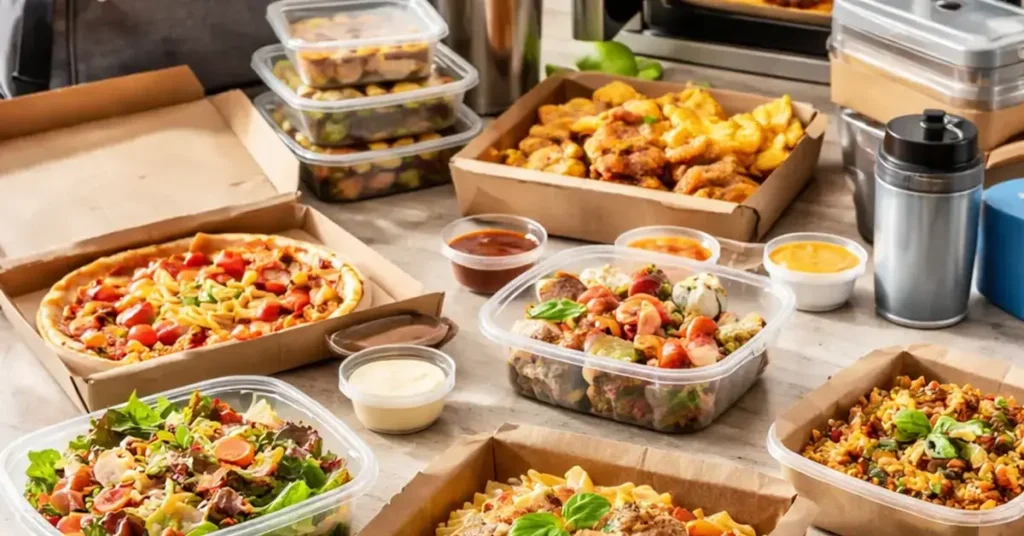
leftovers test for takeaway Key Takeaways
This guide puts your favorite takeout through a leftovers test for takeaway — evaluating how well dishes reheat in a microwave, oven, or stovetop, and how they handle travel time and packaging.
- The leftovers test for takeaway reveals that crispy foods and delicate sauces lose quality fastest — but some restaurants package smartly.
- Not all reheating methods work equally: oven or stovetop often beats the microwave for texture.
- Travel-friendly packaging (separate compartments, insulated bags) is a sign of a top-tier takeaway spot.
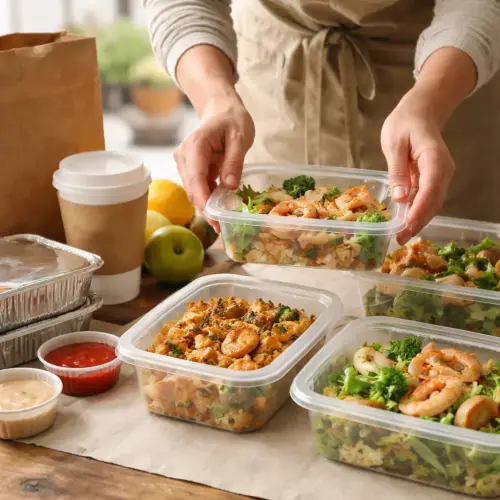
What Makes a Good Leftovers Test for Takeaway?
We’re not just judging leftovers as a sad afterthought. This takeaway food test looks at the full lifecycle: how the food arrives, how it sits in your fridge overnight, and how it tastes after reheating. A great takeaway should be almost as good the next day — and some restaurants excel at this.
The Three Pillars of the Test
Every dish in this leftovers reheating guide is scored on three criteria: packaging and travel resilience, ease of reheating (microwave, oven, stovetop), and final flavor and texture.
Packaging and Travel
Does the container leak? Is the food separated so nothing gets soggy? Can it survive a 30-minute commute or a few hours on the counter?
Reheating Flexibility
Some foods bounce back in any method. Others demand specific treatment — and a good restaurant will sometimes even label reheating instructions. For a related guide, see 3-Visit Consistency Audit: The Smart Way to Track Restaurant Changes.
Final Flavor Score
Does the dish taste as intended? Is the texture close to original? A passing grade means you’d happily order it again as takeout. For a related guide, see One Bite Review: 7 Risky Reasons One Dish Can’t Judge a Restaurant.
Best Takeaway Restaurants That Pass the Leftovers Test for Takeaway
Based on dozens of restaurant takeout review samples, these cuisines and specific dishes consistently score high. We’ve tested everything from pizza to pad thai.
Italian: Pizza and Pasta
Thick-crust pizza reheats best in a skillet (stovetop) — crisp crust, melted cheese. Pasta with sauce usually improves overnight as flavors meld. Avoid anything with a delicate cream sauce unless it’s packaged separately.
Chinese-American: Fried Rice and Noodles
Fried rice travels beautifully. Reheat in a covered dish with a splash of water for steamed texture. Chow mein noodles survive well if you reheat them in a hot pan with a little oil. Avoid soggy spring rolls.
Mexican: Tacos and Burritos
Burritos are takeout champions — wrap in foil, reheat in an oven at 350°F for 15 minutes. Tacos are best assembled at home; ask for fillings and shells separate.
Indian: Curries and Rice
Curries often taste better the next day. Reheat on the stovetop with a splash of water. Naan bread is best briefly microwaved or toasted. Packaging matters here — leak-proof containers are essential.
How to Reheat Leftovers: Leftovers Reheating Guide by Dish Type
Not all reheating methods are equal. Here’s a quick reference table I use for every takeaway food test.
| Dish Type | Best Method | Tips | Travel Suitability |
|---|---|---|---|
| Crispy chicken / fries | Oven 400°F, 8-10 min | Place on wire rack for airflow | Poor — best eaten immediately |
| Pizza (thick crust) | Skillet, covered, low heat | Add a few drops of water for steam | Good — travels well in cardboard box |
| Pasta with sauce | Stovetop, add a splash of water | Stir gently to reincorporate sauce | Good — separate sauce container ideal |
| Fried rice / noodles | Microwave with damp paper towel | Cover to trap steam | Excellent — holds up well |
| Burritos / wraps | Oven 350°F, foil-wrapped | Reheat with seam side up | Very good — sturdy packaging |
| Burgers | Skillet or oven | Reheat bun separately | Fair — buns get soggy fast |
Common Mistakes in the Leftovers Test for Takeaway
Even great takeout can fail if you don’t handle it right. Here are the top errors I see (and taste).
Storing Sauces Separately
If the restaurant didn’t separate wet and dry components, you can do it yourself at home. Always transfer sauces to a small container before storing.
Reheating Everything in the Microwave
Microwaves work for some dishes but ruin crispy textures and can toughen meat. Use the oven or stovetop when you have 10 extra minutes — it’s worth it.
Not Letting Food Cool Before Refrigerating
Placing hot containers directly in the fridge creates condensation that makes everything soggy. Let takeout cool on the counter for 20 minutes first.
Food Travel Tips: Keeping Takeout Safe and Tasty on the Go
Whether you’re commuting home or packing lunch for the office, these food travel tips help maintain quality.
- Invest in an insulated bag — it keeps hot food hot and cold food cold for hours.
- If driving, place containers in a stable box to prevent tipping.
- For salads or crispy items, carry dressing and crunchy toppings separately and add just before eating.
- Use a reusable container with a locking lid if the restaurant packaging seems flimsy.
How Long Can Takeout Sit at Room Temperature?
Food safety guidelines say no more than 2 hours (1 hour if the temperature is above 90°F). This applies to cooked takeaway as well. If you’re on a longer trip, pack an ice pack or eat within the safe window.
Useful Resources
For more science-backed tips on food storage and reheating, check these two resources.
- USDA Food Safety Guidelines for Reheating Leftovers — official temperature recommendations for safety.
- Serious Eats: The Best Way to Reheat Leftover Pizza — detailed experiments on reheating methods.
Frequently Asked Questions About leftovers test for takeaway
What is the leftovers test for takeaway?
It’s a practical evaluation of how well restaurant takeout food survives travel and reheating — focusing on packaging, texture, and flavor after storage.
Which cuisine scores best in the leftovers test for takeaway?
Indian curries, Chinese fried rice, and Mexican burritos consistently perform best due to their forgiving textures and sauce-based structures.
What reheating method works for most takeaway?
The oven or stovetop is safer for texture than the microwave, but a microwave with a damp paper towel is fine for rice, pasta, and moist dishes.
Should I separate sauces before storing takeaway?
Yes — if the restaurant didn’t package them separately, transfer sauces to a small container to keep crispy components from getting soggy.
How long can takeaway sit out before refrigerating?
No more than 2 hours at room temperature (1 hour if above 90°F). After that, bacteria multiply quickly.
Can I reheat takeout more than once?
It’s safer and tastier to reheat only the portion you plan to eat. Repeated heating dries food out and increases food safety risks.
What’s the best way to reheat pizza?
Use a skillet on the stovetop over medium-low heat, covered, for 2-3 minutes — the crust stays crisp and the cheese melts evenly.
How do I reheat fried rice without it becoming mushy?
Microwave covered with a damp paper towel for 60–90 seconds, then fluff with a fork. For best results, reheat in a hot skillet with a little oil.
Does the leftovers test apply to sushi takeout?
Sushi is best eaten fresh — the texture of rice and raw fish degrades quickly. Cooked sushi rolls like tempura can be reheated in the oven.
What packaging features help takeout pass the test?
Separate compartments, leak-proof lids, insulated bags, and clearly labeled reheating instructions all improve scores.
Can I use an air fryer for reheating takeout?
Yes — air fryers excel at restoring crispiness to fries, chicken, and pizza. Preheat at 350°F and reheat for 3–5 minutes.
Is it safe to eat takeout left in the car for 2 hours?
In cool weather (below 60°F), it might be safe, but the flavor and texture will suffer. In warmer weather, discard to be safe.
How to tell if a restaurant cares about takeout quality?
Look for insulated delivery bags, separate sauce containers, ingredients that stay distinct, and packaging that doesn’t leak.
Why does some takeout taste better the next day?
Flavors meld and deepen overnight in many dishes — especially curries, stews, and pasta sauces. It’s called “second-day flavor.”
What’s the worst takeout for leftovers?
Crispy fried items (french fries, onion rings, fried fish) and delicate salads with dressing are the worst — they lose texture fast.
Should I remove food from takeout containers before storing?
Yes — transfer to shallow airtight containers to cool faster and avoid condensation buildup from the original packaging.
How long can I keep takeout in the fridge?
Most cooked takeout stays safe for 3–4 days in the fridge. After that, quality drops quickly and food safety risk increases.
Can I freeze takeout leftovers?
Yes — portion and freeze in airtight containers. Soups, curries, and pasta freeze well. Fried items don’t survive freezing.
What’s the best takeaway food to pack for a picnic?
Burritos, grain bowls, and cold sandwiches or wraps travel well — pack them with an ice pack and eat within 2 hours.
How do I reheat takeout without a microwave?
Use an oven (350°F for 10–15 minutes), a stovetop skillet, or a steamer basket for moist foods like dumplings.