
counter seating guide Key Takeaways
Sitting at a sushi or omakase counter isn’t just about the food—it’s a front-row seat to culinary craftsmanship.
- A great omakase counter lets you interact directly with the chef and see every knife stroke up close.
- The best seat balances chef visibility, comfort, and proximity to the action.
- Respecting counter etiquette—like finishing each piece promptly—elevates both your meal and the chef’s rhythm.
What Makes an Omakase Counter Special?
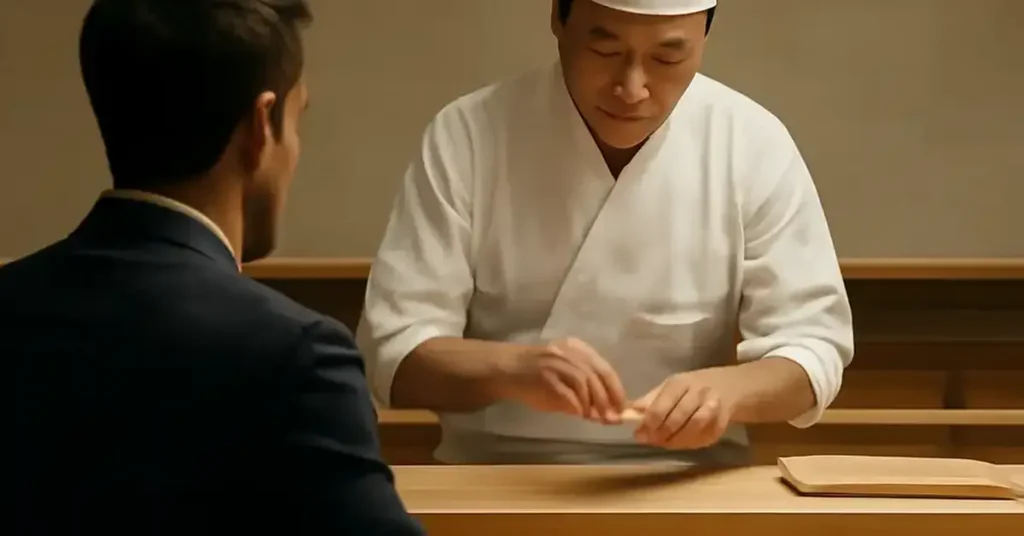
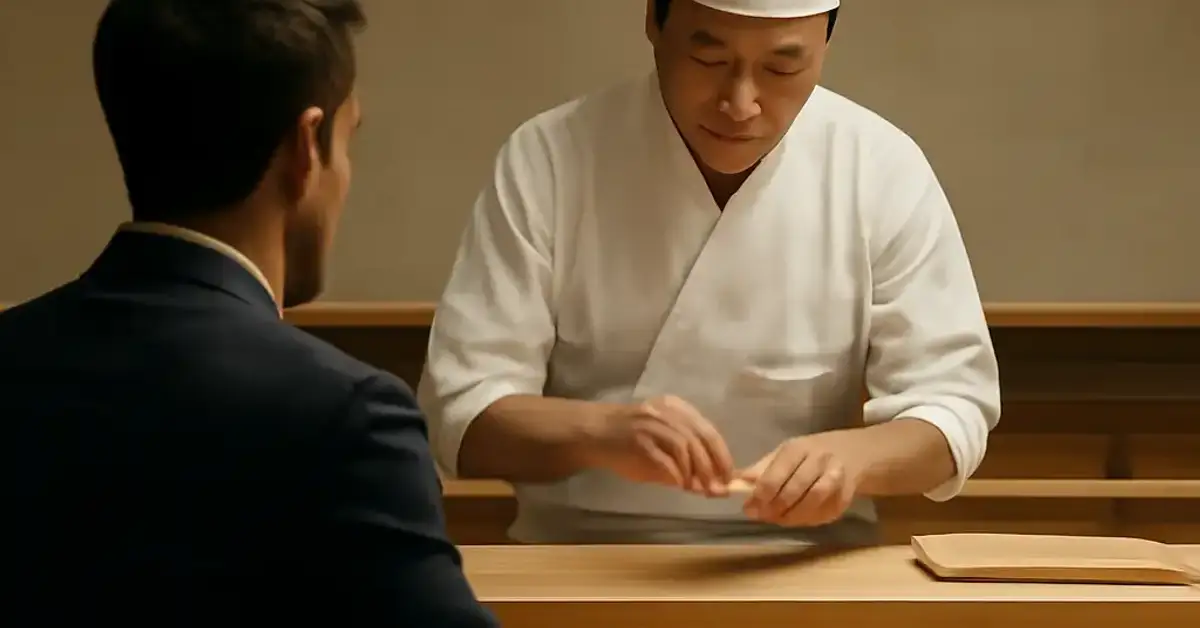
An omakase counter is more than a bar. It’s a stage where the sushi chef becomes a performer, and every guest is a participant. The intimacy of the counter transforms dinner into a dialogue—through hand gestures, eye contact, and the silent exchange of a perfect piece of nigiri.
Unlike regular dining tables, counter seating offers an unobstructed view of the chef’s precise knife work, the rice being formed, and the subtle artistry behind each course. For many enthusiasts, this proximity is what separates a good sushi dinner from a transcendent one.
A well-designed omakase counter also promotes an efficient flow. Fresh ingredients can be passed directly, or the chef can adjust the next course based on your reaction. This real-time feedback loop is the heart of the omakase philosophy.
Key Criteria for Choosing the Best Sushi Counter Seating
Not all sushi counter seating is equal. Whether you’re booking a high-end Ginza temple or a neighborhood spot, keep these criteria in mind.
Visibility and Chef Interaction
The best seats let you see the chef’s hands clearly without straining. Avoid posts, tall soy sauce bottles, or misaligned bar tops that block your line of sight. Ideally, you want to be three to four seats from the chef’s working station—close enough to observe, but not so close that you disrupt his movements.
Seat Position and Comfort
Counter height and knee space matters. Many traditional counters are designed for bar stools without footrests, which can be uncomfortable for longer omakase meals (often lasting 90 to 120 minutes). If you’re tall or have back concerns, ask ahead about seat height and available cushions.
Atmosphere and Acoustics
A hushed, respectful atmosphere helps you focus on the subtle textures and flavors. Loud music or cramped, noisy counters distract from the experience. Look for counters where the staff and chef speak in a low, deliberate tone, letting the food speak for itself.
Service Flow and Timing
A good omakase counter is like a well-conducted orchestra. Courses should arrive one after another, each piece served at the ideal temperature. A telltale sign of a great counter: the chef serves each piece directly onto your plate (or your hand) with a brief, respectful nod. For a related guide, see 5 Most Anticipated Restaurant Openings of 2026 – Ex-Beta Chef’s Omakase in Damansara.
Top Omakase Counters Worth Traveling For
Every serious fan of best omakase guide content has a shortlist of legendary counters. While new ones emerge constantly, these represent the gold standard for atmosphere, chef skill, and overall experience.
Sukiyabashi Jiro (Tokyo)
The legendary basement counter in Ginza seats only ten. Chef Ono’s relentless pursuit of perfection makes this a once-in-a-lifetime visit. Reservations are notoriously difficult, and you must book months ahead. The key takeaway: even if you can’t get in, the standard it set defines modern omakase counters everywhere.
Sushi Saito (Tokyo)
Often considered Jiro’s equal, Saito’s counter is slightly larger and the atmosphere is more relaxed. Chef Saito’s training and meticulous attention to the rice-to-fish ratio set a benchmark for aspiring chefs. The counter itself is a beautiful hinoki wood piece that seats about eight.
Masa (New York)
Chef Masa Takayama’s New York outpost offers a serene, minimalist counter that feels like a private meditation on flavor. The price tag is high, but the omakase experience includes rare ingredients flown in daily from Japan. The counters are positioned so each guest can see the chef’s work without strain.
Sushi Yoshitake (Tokyo)
A Michelin three-star counter that emphasizes seasonal creativity. The chef often uses a blowtorch, charcoal grill, or hot stone tableside, adding an interactive element. The counter is low, placing the food literally at eye level.
How to Secure Reservations and Follow Proper Etiquette
Reserving an omakase counter can be challenging, especially at high-demand venues. Here are practical steps and etiquette tips to ensure a smooth experience.
Step 1: Know the Booking System
Many top-tier counters use a phone-call-only system, often staffed only during specific hours. Some have moved to third-party platforms like TableAll or Omakase. Be prepared to provide a credit card to hold the reservation, and understand the cancellation policy—many charge the full omakase price for no-shows.
Step 2: Arrive on Time and Be Prepared
Arrive at least 10 minutes early. Use the restroom beforehand, as leaving mid-service is considered disruptive. Turn off your phone or set it to silent; if you must take a photo, do so discreetly and only of your plate—never the chef without permission.
Step 3: Respect the Chef’s Pace
Eat each piece promptly after it’s served. Sushi is meant to be eaten immediately, while the neta (fish) is still at room temperature and the shari (rice) is warm. Holding onto a piece creates awkwardness and throws off the chef’s timing.
Step 4: Use Your Hands or Chopsticks Correctly
Traditional etiquette encourages using hands for nigiri. This prevents compressing the rice with chopsticks. If you use chopsticks, turn them so you pick up the fish side, not the rice. Dip the fish side into soy sauce, never the rice (it will soak up too much and fall apart).
Step 5: Communicate Dietary Needs Upfront
If you have allergies or strong dislikes, inform the staff when you book and again at the counter. A respectful chef will accommodate within reason, but an omakase menu is designed as a sequence—last-minute substitutions can disrupt the balance.
Common Mistakes to Avoid at an Omakase Counter
Even seasoned diners slip up. Here are the most frequent errors this counter seating guide aims to help you avoid.
- Mistaking quantity for quality. A 20-course omakase isn’t about the number of pieces, but the progression of flavors and textures.
- Asking for modifications. Trust the chef’s selection. If you must skip something, say so politely before the course begins.
- Overusing soy sauce. Many pieces are already seasoned. Dipping everything masks the chef’s work.
- Rushing the meal. Omakase is a slow, meditative experience. Don’t wolf down courses; let the chef set the rhythm.
- Touching the counter surface. Keep hands off the polished wood; it’s part of the chef’s work area.
Optimizing Your Omakase Counter Experience
Once you’ve chosen your sushi counter seating and know the basics, try these optimization tips for the best possible evening.
- Arrive with an open mind. The omakase menu is the chef’s story—let it unfold without preconceived expectations.
- Ask about the seasonal ingredients. A brief, respectful question shows engagement and helps the chef tailor the experience.
- Pair your meal with sake or green tea that complements the progression. Many counters offer tea pairing alongside wine or sake.
- Offer a sincere “gochisōsama deshita” at the end (it means “thank you for the feast”). This small gesture is remembered.
Useful Resources
For deeper research on omakase etiquette and top counters, consult these authoritative guides:
The best counter seating guide is one that respects tradition while embracing the joy of discovery. Whether you’re a first-timer or a seasoned omakase regular, the tips above will help you sit at the right counter, behave with grace, and savor every single bite. Book smart, eat mindfully, and let the chef’s skill take center stage.
Frequently Asked Questions About counter seating guide
What exactly is an omakase counter ?
An omakase counter is a dining bar where guests sit directly in front of the chef. The chef selects and prepares each course on the spot, often serving it directly to the guest. The term “omakase” means “I leave it up to you.”
How do I get a reservation at a top omakase counter ?
Most high-end counters require advance booking via phone, online platform, or a hotel concierge. Some release seats on a specific date each month. Be ready to provide credit card details for no-show fees.
Is counter seating better than a table for omakase?
Yes. Counter seating gives you a direct view of the chef’s technique, immediate service, and a more intimate connection with the meal. Tables are often reserved for larger groups who prefer less direct interaction.
What should I wear to an omakase counter ?
Smart casual to business casual. Avoid strong perfumes or colognes, as they can interfere with the delicate aromas of the fish. A jacket is optional unless the restaurant explicitly requires it. For a related guide, see 7 Expert Open Kitchen Dining Tips – Avoid These Common Mistakes.
Can I take photos at the counter?
Discreet photos of your plate are generally fine, but avoid flash and never take photos of the chef without asking. The main focus should be on the food and the experience.
How many courses should I expect in a typical omakase?
Most omakase menus range from 12 to 20 courses, often including a mix of sashimi, grilled dishes, nigiri, soup, and dessert. The exact number depends on the chef’s design and the season.
Do I need to tip at an omakase counter ?
Tipping practices vary by country. In Japan, tipping is not customary and can be considered rude. In the United States, a 20% gratuity is standard at omakase counters, though some include service charge.
What if I don’t like a certain ingredient in the omakase?
Inform the staff and chef clearly before the meal begins. Most have a flexible policy, but last-minute substitutions can disrupt the sequence. It’s best to communicate at the time of booking.
How long does an omakase dinner last?
Expect around 1.5 to 2 hours. The chef paces the courses to maintain a steady flow. Rushing through a 20-course omakase would be overwhelming, so the slow pace is intentional.
Should I eat before going to an omakase counter ?
A light snack is fine, but a heavy meal before omakase will dull your palate. Many chefs prefer guests to arrive hungry so they can fully appreciate the progression of flavors.
Can I order a la carte at an omakase counter ?
Most omakase counters do not offer a la carte during the omakase service. Some restaurants have separate seating for a la carte, but the counter is almost always reserved for the chef’s tasting menu.
What is the best seat at an omakase counter ?
The best seat is typically one or two seats away from the chef’s main working hand—close enough to observe details without blocking his movements. Center seats also give a full view of both chef and preparation area.
Is omakase safe for people with fish allergies?
Omakase centers on raw fish, so it can be challenging. Some chefs offer a vegetarian or cooked-fish alternative, but you must discuss allergies well in advance. Most cannot guarantee a completely fish-free kitchen.
Do omakase counters serve non-alcoholic drink pairings?
Many now offer tea, sparkling water, or sake-flight alternatives like broth-based drinks. Ask the sommelier or chef for a non-alcoholic pairing that matches the season.
How do I know if an omakase counter is high quality?
Look for trusted reviews, Michelin stars, or chef pedigree. High-quality counters also source fish from specific markets, use pristine rice, and maintain a calm, focused atmosphere. Online photos of pristine counters and respectful staff are good signs.
Can I bring children to an omakase counter ?
Most top counters are not child-friendly due to the length and formality of the meal. Some offer lunchtimes that are more relaxed. Always check the restaurant’s policy before booking.
What is the proper way to eat nigiri at the counter?
Pick it up with your fingers, turn it so the fish side rests on your tongue, and eat it in one bite. If using chopsticks, hold the piece sideways so you dip only the fish into soy sauce, not the rice.
Should I order sake or something else with omakase?
Sake, Champagne, or a crisp white wine often complement the delicate flavors. The chef’s preferred pairing is often listed on the menu. Green tea is also a cleansing, traditional choice between courses.
How much does a top omakase counter cost?
Prices vary widely, from $80 to $100 for a lunch omakase to $300–$600+ at Michelin-starred counters in cities like Tokyo, New York, or Singapore. Wine and sake pairings add extra cost.
Can I talk to the chef during the omakase?
Brief, polite conversation is fine, especially when the chef asks about your tastes. However, keep it respectful and avoid lengthy discussions that disrupt the flow. The focus remains on the food.