
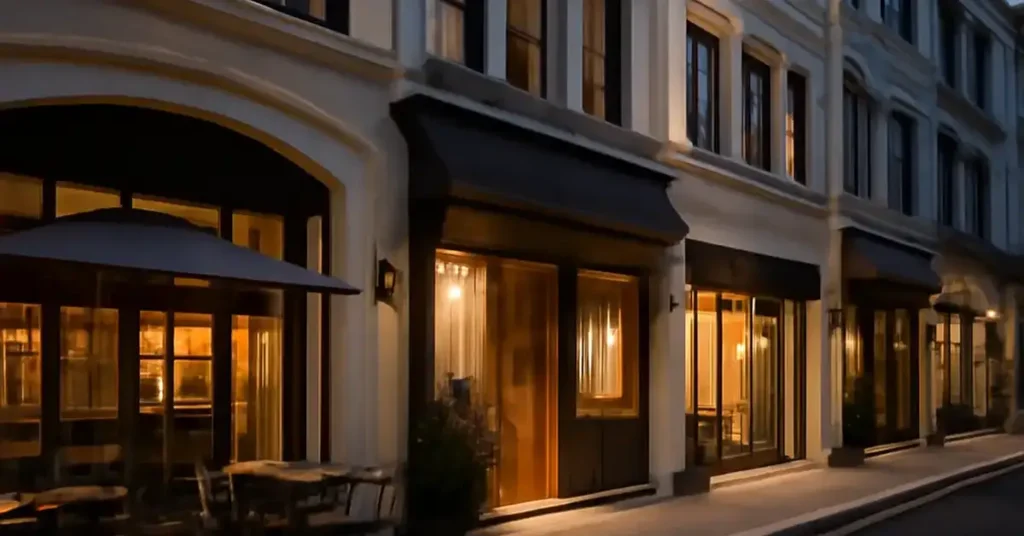
Ampang fine dining corridor Key Takeaways
Ampang’s fine dining corridor is a concentrated stretch of premium restaurants offering world-class Japanese omakase and French brasseries.
- Ampang fine dining corridor features a unique mix of Japanese omakase and French brasserie concepts within walking distance of each other.
- Top omakase spots like Sushi Azabu and Sushi Shin by Miyakawa use seasonal imports from Japan, while brasseries such as Bistro à Table and Le Pont de Vie serve timeless French classics with modern flair.
- Book at least two weeks ahead, expect RM300–RM800 per person for omakase, and around RM150–RM350 for brasserie dinners.
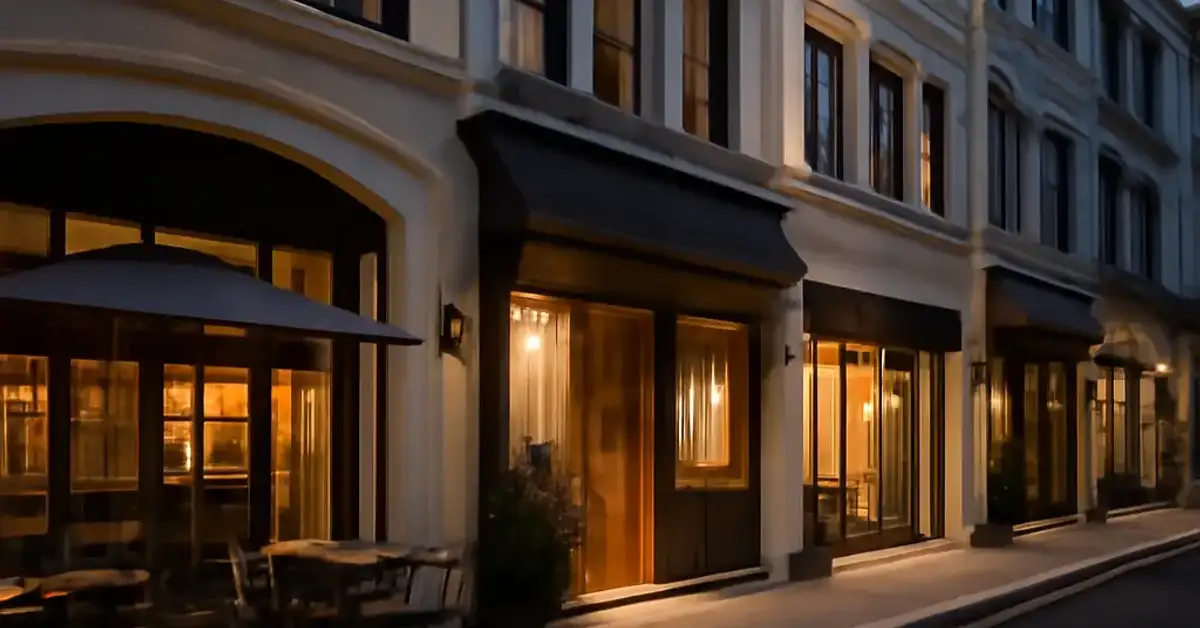
What Makes Ampang Fine Dining Corridor Unique
If you walk along Jalan Ampang and its adjoining lanes, you will notice an unusual density of high-end restaurants. This strip, often called the Ampang fine dining corridor, has become Kuala Lumpur’s go-to destination for two culinary genres: Japanese omakase and French brasseries. The area attracts both expatriates and locals looking for precision cooking, attentive service, and an atmosphere that feels transportive. Unlike other KL dining clusters that mix cuisines randomly, Ampang’s corridor offers a focused choice—either you settle into the hushed ritual of an omakase counter or you enjoy the animated buzz of a brasserie. For a related guide, see Ipoh Heritage Fine Dining Guide: 7 Best Colonial Restaurants with Modern Malay Cuisine.
Why Omakase and Brasseries Thrive Here
The corridor’s success stems from a mix of affluent residential towers, corporate offices, and a sophisticated crowd that values authenticity. Japanese omakase chefs appreciate the ability to source premium seafood directly from Tokyo’s Toyosu Market, while French brasserie owners find that the neighbourhood’s expatriate community craves the familiar cadence of a true Parisian bistro. This symbiotic demand has turned Ampang into a self‑sustaining fine dining ecosystem.
7 Must‑Try Venues Along the Ampang Fine Dining Corridor
Below are seven restaurants that define the Ampang fine dining corridor today. They are grouped by cuisine—Japanese omakase first, then French brasseries. For a related guide, see Singapore Day Trip Fine Dining: 7 Best High‑End Meals Near the Border.
1. Sushi Azabu – Omakase Perfection
Hidden on the ground floor of a corporate tower, Sushi Azabu seats only eight guests at a hinoki counter. Chef Takeshi Ryoji sources tuna, uni, and eel from his personal contacts in Tokyo. The signature dish is otoro with grated wasabi and sudachi, served on warm shari. Expect a 12‑course dinner at RM480 per person.
2. Sushi Shin by Miyakawa – Edomae Tradition
Sushi Shin by Miyakawa focuses on aged Edomae techniques. Chef Miyakawa marinates tuna in soy sauce for three days before serving it as nigiri. The ambiance is intimate—dark timber and soft lighting. Lunch omakase starts at RM288; dinner omakase runs RM580–RM780. This is one of the strongest arguments for Japanese omakase Ampang lovers.
3. Ginhana – Côte d’Azur Meets Tokyo
Ginhana blends Japanese omakase with a French wine program. Chef Haruki Tanaka pairs each course with Burgundy or Sancerre. The signature dish is Hokkaido scallop seared with truffle butter. Dinner costs around RM420. The restaurant’s private rooms make it popular for business entertaining along the Ampang fine dining corridor.
4. Bistro à Table – Classic French Brasserie
Bistro à Table recreates the feel of a Parisian brasserie with tiled floors, bentwood chairs, and a zinc bar. The menu includes steak frites with béarnaise, duck confit, and crème brûlée. Mains are RM80–RM140. The weekend brunch (RM120 per person) is a local favourite.
5. Le Pont de Vie – Modern French with Malaysian Accents
Le Pont de Vie offers a tasting menu that uses local ingredients like sabah prawns, gula melaka, and pandan. Chef Julien Brossard trained under Alain Ducasse. The seven‑course menu (RM280) includes prawn bisque with lemongrass foam and aged duck with tamarind glaze. The wine list is entirely French.
6. Café Bruno – Lyonnaise Flair
Café Bruno serves Lyonnaise specialties: coq au vin, salade lyonnaise, and quenelles de brochet. It is less formal than other French brasseries Ampang venues, with a cosy, wood‑panelled interior. A three‑course dinner costs RM130. Reservations are recommended on weekends.
7. Table and Apron – Progressive Brasserie
Table and Apron describes itself as a “progressive brasserie.” Chef Marcus Lim rotates dishes seasonally—think roasted cauliflower with romesco and fried capers or short rib with red wine jus. The open kitchen and communal table create a convivial vibe. Expect to spend RM150–RM200 per person.
How to Choose Between Omakase and Brasserie
Deciding between Japanese omakase Ampang and French brasseries Ampang depends on the occasion and your mood.
When to Book an Omakase
Omakase is ideal for celebrations, business dinners, or quiet date nights. The experience is structured and contemplative. You surrender control to the chef, who guides you through a sequence of flavours. It typically lasts two to three hours.
When to Visit a Brasserie
Brasseries work better for casual meetups, group dinners, or after‑work drinks. The menu is à la carte, so you can choose your pace. Many brasseries stay open late, offering oysters, charcuterie, and wine by the glass. The vibe is sociable.
Practical Tips for Visiting Ampang’s Fine Dining Corridor
Before you head out, consider these pointers to get the most from the Ampang fine dining corridor.
Book Ahead and Confirm Dietary Restrictions
Popular omakase counters seat only six to ten people. Reserve at least two weeks in advance. For brasseries, a few days’ notice is usually enough. If you have allergies or dietary preferences, inform the restaurant when booking—omakase chefs can adapt if warned early.
Parking and Transportation
Most restaurants at the Ampang fine dining corridor are in multi‑storey car parks or buildings with valet. Expect parking fees of RM6–RM15 per entry. Ride‑hailing services (Grab, MyCar) are widely used and often cheaper than valet.
Dress Code
Omakase counters generally expect smart casual—collared shirts, closed shoes, no shorts. French brasseries are more relaxed, but avoid flip‑flops or singlet tops. A neat appearance is appreciated throughout the corridor.
Budget Guide
| Cuisine Type | Typical Spend Per Person (RM) | Inclusions |
|---|---|---|
| Japanese Omakase (lunch) | 200 – 350 | 8–12 courses, tea or water |
| Japanese Omakase (dinner) | 380 – 800 | 12–18 courses, sake pairing sometimes extra |
| French Brasserie (dinner) | 120 – 350 | 2–3 courses, house wine or beer |
Insider Tips from Local Chefs
I spoke to Chef Haruki of Ginhana and Chef Julien of Le Pont de Vie. Both emphasise that the Ampang fine dining corridor thrives because of proximity—chefs regularly taste each other’s dishes and share suppliers. Chef Haruki says: “If you come for omakase, arrive five minutes early. Watch the knife work. That is part of the dish.” Chef Julien recommends ordering the canard à l’orange at Le Pont de Vie as a true test of a French chef’s skill.
Useful Resources
For more detailed reviews and current menus, check these reliable sources:
- Inside Retail Malaysia – Ampang Omakase Guide – Curated list of top omakase restaurants in Ampang with pricing and chef profiles.
- Malaysiakini Lifestyle – Best French Brasseries in Ampang – Honest reviews of five brasseries, including Bistro à Table and Café Bruno.
Frequently Asked Questions About Ampang fine dining corridor
What exactly is the Ampang fine dining corridor?
The Ampang fine dining corridor refers to the cluster of high‑end Japanese omakase and French brasseries located along Jalan Ampang and its side streets, from the InterContinental Hotel area down to the Great Eastern Mall junction.
Is the Ampang fine dining corridor walkable?
Yes, most restaurants are within a 10‑ to 15‑minute walk of each other. However, KL’s tropical humidity means you may prefer driving or ride‑hailing between venues if you plan a multi‑restaurant evening.
Which is more expensive—omakase or brasserie?
Omakase dinners cost more (RM380–RM800) because of premium imported seafood and the chef’s time. Brasseries are generally more accessible at RM120–RM350 per person for a full meal with wine.
Can I take photos inside omakase restaurants?
Most omakase counters allow quiet photography of the dishes, but avoid flash, tripods, or recording videos without permission. Always ask the chef first.
Do French brasseries in Ampang serve halal food?
Most French brasseries along the Ampang fine dining corridor do not hold halal certification because they serve wine and pork‑based dishes. Confirm directly with the restaurant before booking if halal is a requirement.
What kind of sake is served at Japanese omakase Ampang spots?
Expect premium junmai daiginjo sakes, often from Niigata or Yamagata prefectures. Prices range from RM50 per glass to RM500 per bottle. Sushi Shin by Miyakawa offers a curated sake flight.
Are children welcome at these restaurants?
Omakase counters are not child‑friendly due to the long seating and quiet atmosphere. Brasseries like Bistro à Table and Café Bruno welcome well‑behaved children, but few have kids’ menus.
Which restaurant has the best duck confit?
Regulars praise Bistro à Table for its duck confit—crispy skin, tender meat, and a generous portion of garlic‑roasted potatoes. The dish costs RM88 and is available daily.
How do I get a seat at Sushi Azabu?
Book via WhatsApp at least three weeks ahead. The counter seats only eight, and weekend slots fill within hours of release. Lunch omakase sometimes has more availability.
Do any brasseries offer vegetarian options?
Table and Apron and Le Pont de Vie both offer vegetarian tasting menus with advance notice. Dishes might include roasted root vegetables, grilled halloumi, or wild mushroom risotto.
What is the dress code for Le Pont de Vie?
Smart casual—collared shirts or blouses, trousers or dark jeans. No shorts or sportswear. The restaurant maintains a refined but not stuffy atmosphere.
Can I order sake by the glass at Ginhana?
Yes, Ginhana offers a rotating selection of six sakes by the glass. The sommelier can recommend pairings for each course. A glass costs RM45–RM80.
Are these restaurants open on Sundays?
Most omakase counters close on Sundays and Mondays. Brasseries like Café Bruno and Bistro à Table are open Sunday for brunch and dinner. Check individual websites for exact hours.
What is the average duration of an omakase dinner?
Expect 2.5 to 3 hours for a full omakase dinner with 12 to 18 courses. Lunch omakase usually finishes in 1.5 to 2 hours.
Is valet parking available along the corridor?
Many buildings in the Ampang fine dining corridor offer valet parking for RM15–RM25. Sushi Azabu and Bistro à Table both have valet stands outside their entrances.
Can I host a private event at any of these venues?
Ginhana and Le Pont de Vie have private rooms that seat 8–12 guests. Café Bruno can be booked whole for groups of up to 30. Minimum spend applies.
Which restaurant is best for a business lunch?
Sushi Shin by Miyakawa offers a quiet counter ideal for confidential discussion. Bistro à Table has a dedicated business lunch menu (RM88 for two courses) served quickly.
Do I need to tip at these restaurants?
Tipping is not mandatory but appreciated. A 10% service charge is included in the bill at all restaurants on the Ampang fine dining corridor. If service exceeds expectations, RM20–RM50 cash for the chef is a kind gesture.
What is the most affordable omakase option in the corridor?
Sushi Shin by Miyakawa’s lunch omakase at RM288 is the most affordable entry point. It includes 10 pieces of nigiri and a hand roll.
Are there any fusion spots combining Japanese and French?
Ginhana is the closest—a Japanese omakase that incorporates French techniques like truffle butter and Burgundy wine. Table and Apron also occasionally features Japanese‑inspired French dishes, such as miso‑glazed lamb.