
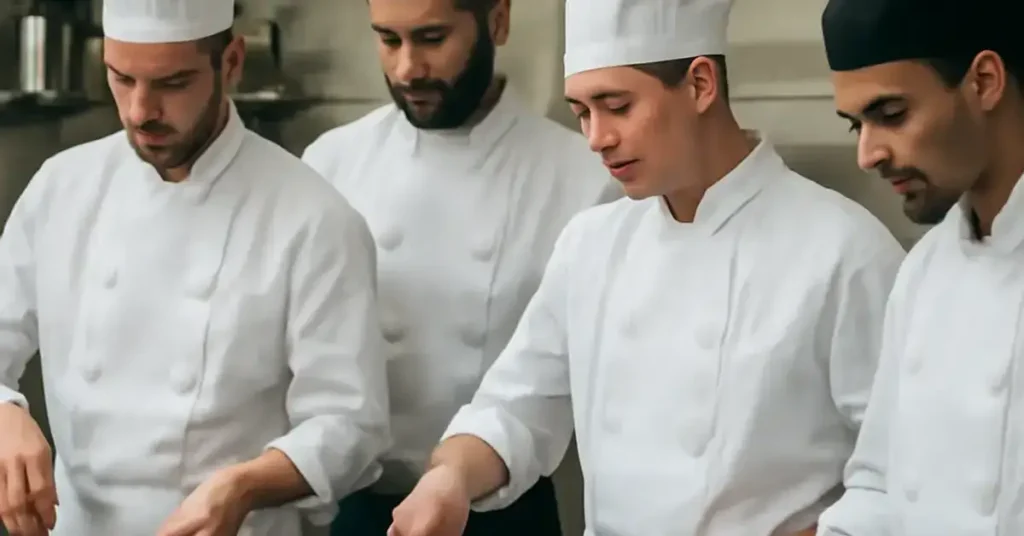
kitchen hierarchy Key Takeaways
Walk into any high-volume restaurant kitchen, and you will see a carefully orchestrated system at work.
- The kitchen hierarchy typically follows a brigade system led by the chef de cuisine, who oversees all kitchen operations and menu strategy.
- Each role — chef de cuisine, sous chef, and commis — has distinct responsibilities that ensure meals are prepared consistently and service runs without chaos.
- Career progression in the kitchen moves from commis (entry-level) through specialized stations, then to sous chef, and finally to chef de cuisine or executive chef.
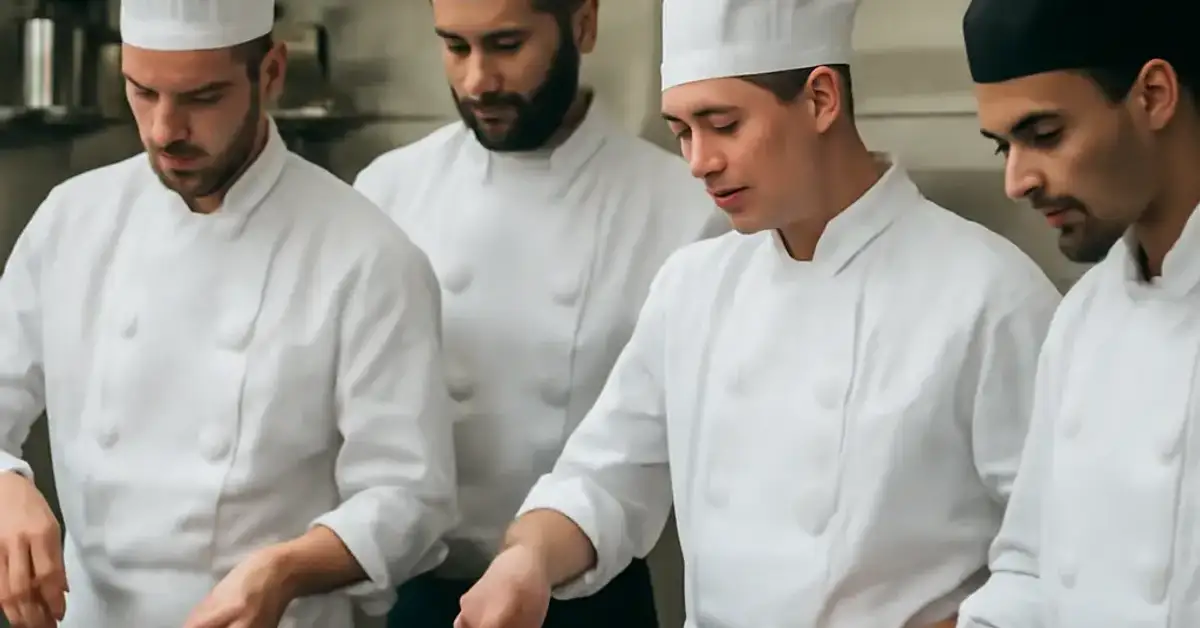
Understanding the Modern Kitchen Hierarchy
Walk into any high-volume restaurant kitchen, and you will see a carefully orchestrated system at work. The kitchen hierarchy is not just about titles — it is a functional structure that assigns authority, responsibility, and specialized tasks to each team member. Without this structure, even the best ingredients and recipes would produce chaos, not cuisine.
The modern brigade system traces its roots to the legendary French chef Georges-Auguste Escoffier, who formalized kitchen roles in the late 19th century. Today, restaurants adapt these roles based on their size, concept, and service style, but the fundamental layers remain recognizable across fine dining, casual gastropubs, and hotel kitchens. Understanding who reports to whom, and who is responsible for what, helps every team member work efficiently and grow professionally. For a related guide, see Team Building Dining Experiences: 7 Proven Chef’s Table and Kitchen Ideas.
The Three Core Levels of Kitchen Hierarchy
While large kitchens may have dozens of specialized positions, the backbone of the kitchen hierarchy rests on three essential ranks: the chef de cuisine at the top, the sous chef as second-in-command, and the commis as the entry-level learner. Each level serves a distinct purpose, and the relationships between them determine how smoothly service runs.
Chef de Cuisine Roles: The Visionary Leader
The chef de cuisine is the head of the kitchen — the person who sets the culinary direction, designs menus, manages budgets, and leads the brigade. In many restaurants, this role is synonymous with “executive chef,” though some establishments distinguish between the executive chef (who may oversee multiple locations) and the chef de cuisine (who runs a single kitchen).
Key chef de cuisine roles include menu development, sourcing seasonal ingredients, maintaining food cost percentages, training senior staff, and ensuring every plate that leaves the kitchen meets the restaurant’s quality standards. This leader also handles supplier relationships, kitchen equipment maintenance, and health code compliance. In Michelin-starred restaurants, the chef de cuisine is the public face of the kitchen, often interacting with guests and media.
A chef de cuisine must master both culinary technique and management skills. They need to inspire creativity in their team while enforcing consistency. They review financial reports, forecast ingredient needs, and adjust menus based on availability and cost. This role demands 10–15 years of kitchen experience, typically starting from a commis position and moving up through each station.
How the Chef de Cuisine Differs from an Executive Chef
In corporate hotel settings or multi-location restaurant groups, the executive chef oversees the entire culinary operation, while the chef de cuisine runs the daily kitchen. The executive chef focuses on brand strategy, hiring, and financial performance across venues. The chef de cuisine executes that strategy in one kitchen, managing the line cooks and ensuring service quality.
Sous Chef Responsibilities: The Operational Backbone
The sous chef — French for “under chef” — is the second-in-command and the most critical operational role in the kitchen hierarchy. While the chef de cuisine plans, the sous chef executes. This person is on the line during service, expediting orders, managing station cooks, and solving problems in real time. Sous chef responsibilities also include inventory management, scheduling, training junior staff, and enforcing recipes and plating standards.
In the absence of the chef de cuisine, the sous chef runs the entire kitchen. That means they need to know every station, from the hot line to the garde manger (cold station). Many sous chefs handle the administrative tasks of ordering produce, checking deliveries, and maintaining sanitation logs. They also act as the bridge between the chef de cuisine and the line cooks, translating high-level menu concepts into daily production plans.
A great sous chef thrives under pressure. They can work the grill, the sauté station, and the pastry section if needed. They anticipate supply shortages before service starts. They stay calm when a ticket printer runs nonstop and the dining room is full. This role generally requires 5–8 years of kitchen experience after culinary school.
Senior Sous vs. Junior Sous
Larger kitchens may have multiple sous chefs. The senior sous chef acts as the direct assistant to the chef de cuisine, overseeing all stations and managing the schedule. Junior sous chefs may focus on specific areas, such as lunch service, pastry, or banquet preparation. This tiered structure helps develop leadership skills while maintaining efficiency during peak hours.
Commis Job Duties: The Foundation of Culinary Growth
The commis is the entry-level cook in the kitchen hierarchy. This position is where formal culinary education meets real-world speed and precision. Commis job duties vary by station assignment — one day they might prep vegetables for the sauté station, the next they assist the pastry chef with mise en place. The core expectation is learning: how to work cleanly, how to follow recipes exactly, and how to keep up with the pace of a professional kitchen.
Commis cooks are often assigned to a specific station (fish, meat, vegetables, sauces) and report directly to the station’s chef de partie. Their tasks include knife work, portioning proteins, making stocks and sauces, cleaning and organizing refrigerators, and maintaining par levels of prepared ingredients. They also assist during service by fetching ingredients, cleaning spills, and plating simpler items under supervision.
This role demands humility, stamina, and a willingness to receive feedback. Commis work long hours on their feet for relatively low pay. But the rewards are substantial: hands-on exposure to every technique, every ingredient, and every station in the kitchen. Most successful chefs spent at least one to two years as a commis before earning a promotion to chef de partie (station head).
What Makes a Successful Commis
Chefs look for three qualities in a commis: speed, accuracy, and attitude. A commis who shows up early, asks smart questions, stays organized, and never complains earns respect quickly. Building a reputation as reliable means you will be first in line when a chef de partie position opens.
How the Kitchen Hierarchy Supports Career Progression
Understanding the kitchen hierarchy is not only about knowing who to report to — it is a roadmap for career advancement. A typical progression starts as a commis, then moves to chef de partie (aka line cook or station head), then sous chef, and finally chef de cuisine. Some chefs specialize into pastry, butchery, or garde manger tracks. Others move into private chef work, food research, or culinary education.
Each step up the ladder brings greater responsibility, higher pay, and more creative control. A commis learns precision. A chef de partie learns ownership of a station. A sous chef learns leadership and logistics. A chef de cuisine learns vision and business strategy. At every level, mentorship matters — the best chefs actively train their team to take over their role.
Useful Resources
For further reading on the kitchen hierarchy and career paths in culinary arts, explore these credible sources:
- Escoffier: The Kitchen Brigade System Explained — Auguste Escoffier’s original system and how it applies today.
- The Culinary Pro: Kitchen Brigade Roles and Responsibilities — Detailed breakdown of modern brigade positions and job descriptions.
Frequently Asked Questions About kitchen hierarchy
What is the highest position in the kitchen hierarchy ?
The highest position is typically the executive chef or chef de cuisine, depending on the restaurant structure. The executive chef oversees multiple locations or overall culinary strategy, while the chef de cuisine runs a single kitchen brigade.
How does a commis differ from a chef de partie?
A commis is an entry-level cook who assists and learns on a station. A chef de partie is the senior cook responsible for that station’s entire production, quality, and training of any commis assigned to them.
What are the main sous chef responsibilities ?
Sous chef responsibilities include overseeing daily kitchen operations, expediting orders during service, managing inventory, training junior staff, enforcing recipes, and running the kitchen in the chef de cuisine’s absence.
Can a commis skip the sous chef role?
In rare cases, a talented chef de partie may move directly to head chef in a small establishment. However, the standard path includes serving as sous chef to gain leadership and administrative experience before becoming chef de cuisine.
How long does it take to become a chef de cuisine?
Most chefs spend 10 to 15 years in the industry before becoming chef de cuisine. This includes culinary school (optional), two to four years as a commis, several years as chef de partie, and two to five years as sous chef.
What is a chef de cuisine salary range?
In the United States, chef de cuisine salaries range from $45,000 to $85,000 annually, depending on location, restaurant prestige, and experience. High-end establishments in major cities may pay significantly more.
Do all kitchens use the brigade system?
Not all. Small cafés, food trucks, and fast-casual restaurants often have flat structures with a head cook and one or two assistants. The full brigade system with chef de cuisine, sous chef, commis, and station heads is most common in fine dining and high-volume hotel kitchens. For a related guide, see Fine Dining Crawl: Expert Tips for a 2-3 Restaurant Night Out.
What is a commis chef’s typical day like?
A typical day starts early with prep work: washing and chopping vegetables, portioning meats, making stocks, and labeling containers. During service, the commis assists their station head with plating, fetching ingredients, and cleaning. After service, they break down and clean their station.
What skills does a sous chef need?
A sous chef needs advanced cooking technique across all stations, inventory management, team leadership, time management, recipe adherence, problem-solving under pressure, and basic financial literacy for food cost control.
How does the kitchen hierarchy affect service speed?
A clear kitchen hierarchy ensures every person knows their specific task and who to take direction from. This reduces confusion and duplication of effort. The sous chef expedites orders, and each station head controls their area, resulting in faster, more consistent ticket times.
What is the difference between a chef de cuisine and an executive chef?
The executive chef oversees the entire culinary department, often across multiple locations, focusing on brand standards and financial performance. The chef de cuisine manages a single kitchen’s day-to-day operations, menu execution, and brigade supervision.
Do commis chefs go to culinary school?
Many do, but it is not required. Some commis learn entirely through on-the-job training. Culinary school can accelerate knowledge of techniques and safety, but work ethic and willingness to learn matter more in hiring than a diploma.
What comes after commis in the kitchen hierarchy ?
After commis, the next step is chef de partie, also called station head or line cook. The commis may specialize on one station or move between stations before being promoted to run one.
Can women become chef de cuisine?
Absolutely. Women have led Michelin-starred kitchens for decades. The modern kitchen hierarchy values skill, leadership, and creativity above gender. Trailblazers like Dominique Crenn and Clare Smyth demonstrate that the path from commis to chef de cuisine is open to everyone.
How is the kitchen hierarchy different in a hotel kitchen?
Hotel kitchens are often larger, with more specialized roles: banquet chef, pastry chef, butcher, and multiple sous chefs. The hierarchy still includes chef de cuisine at the top, but the executive chef oversees multiple outlets like the main restaurant, room service, and banquet halls.
What does and quot;mise en place and quot; mean for a commis?
Mise en place is French for “put in place.” For a commis, it means having all ingredients washed, cut, portioned, and organized before service starts. This preparation is the foundation of efficiency in the kitchen hierarchy.
How does the chef de cuisine handle menu changes?
The chef de cuisine designs menus seasonally, considering ingredient availability, cost, and customer preferences. They present changes to the sous chef, who trains the brigade on new recipes and plating standards before the new menu launches.
Is the commis role stressful?
Yes, especially during the first few months. The pace is fast, the physical demands are high, and the feedback can be blunt. However, many cooks find the challenge rewarding and use the experience to build resilience and technical skill.
What is the commis chef salary?
In the United States, commis chefs earn between $25,000 and $35,000 per year, often plus overtime, meal benefits, and occasional tips. Salaries vary by state, restaurant type, and union agreements in hotel kitchens.
Why is kitchen hierarchy important for food safety?
Clear roles ensure accountability for temperature logs, allergen handling, cross-contamination prevention, and cleaning schedules. The sous chef typically enforces safety standards, while the chef de cuisine approves HACCP plans. Commis learn proper procedures under supervision.