
First Impressions and Arrival Key Takeaways
For more on creating a warm and budget-friendly welcome atmosphere , check out these expert guides:
- A thoughtful arrival experience starts outside: curb appeal sets visual expectations and builds anticipation before the door opens.
- The welcome atmosphere includes a seamless coat check process that keeps guests comfortable while preserving your budget.
- Initial energy — the first 60 seconds inside — is shaped by lighting, scent, sound, and a genuine greeting that makes everyone feel seen.
Why First Impressions and Arrival Matter More Than the Main Course
When a guest approaches your home or venue, they’re not just walking toward a building. They’re walking toward a feeling. The arrival experience is a story that begins at the street and ends when they hand you their coat. Get that story right, and everything else feels easier. The main course, the conversation, the late-night laughs — they all rest on the foundation you set in those first few minutes.
Many hosts assume that a great party requires expensive decorations or a catered welcome. But the truth is simpler. The best First Impressions and Arrival rely on intention, not expense. A clear path, a warm light, a friendly face, and a smooth coat check cost almost nothing but pay enormous dividends in guest comfort. For a related guide, see Hello world!.
How Curb Appeal Sets the Stage for Your Arrival Experience
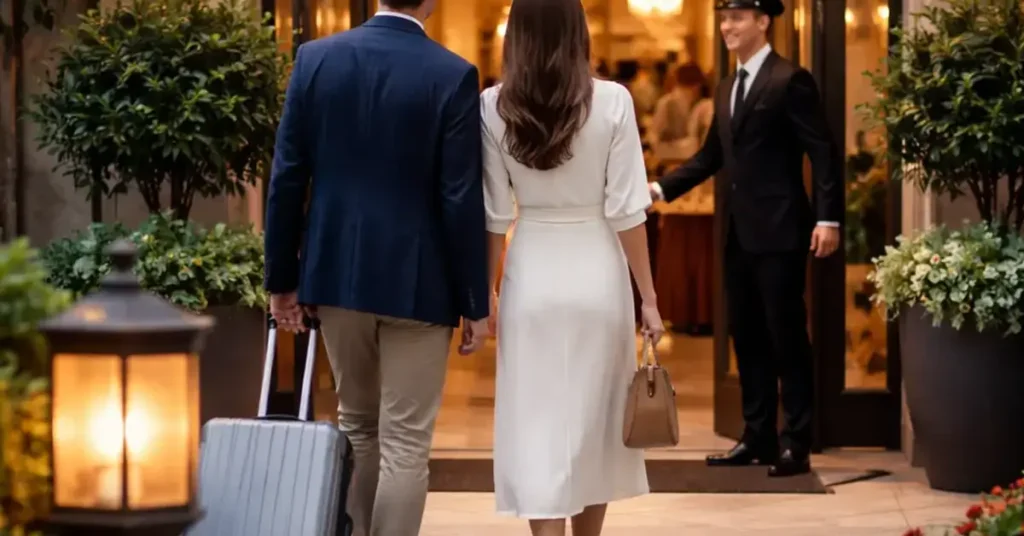
Curb appeal is the first line of your welcome. It tells guests they’re in the right place and that you’ve thought about them. A swept walkway, a visible house number, and a single lantern or string light can transform an ordinary entrance into an inviting threshold. Even a potted plant near the door signals care.
For budget-conscious hosts, curb appeal doesn’t require a landscape overhaul. Focus on the small details: clear leaves, wipe down the door handle, and make sure the doorbell works. These micro-moves communicate respect for your guest’s time and comfort — and they cost pennies.
The Welcome Atmosphere: From Doorstep to Coat Check
Once the door opens, the transition should feel seamless. A genuine smile and a simple greeting — “So glad you’re here” — beats a rehearsed script every time. The goal is to lower the guest’s guard instantly.
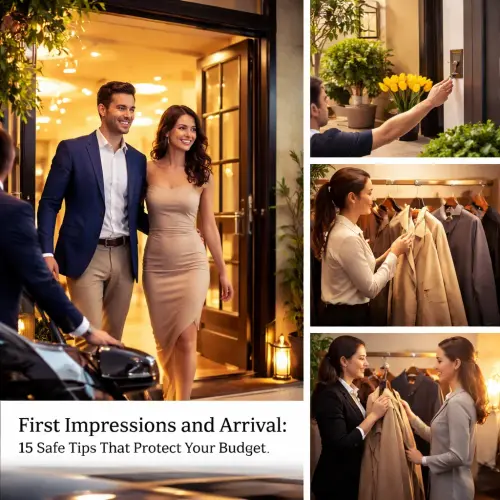
The coat check is a surprisingly critical piece of the puzzle. A messy pile of coats on a bed creates anxiety: guests worry about mix-ups, theft, or wrinkles. A dedicated coat rack, a labeled hanger, or even a labeled basket system can solve this. If space is tight, consider a digital sign-up sheet where guests note their coat number on their phone. It’s free, efficient, and shows you’ve thought ahead.
Building the Right Initial Energy Without Overspending
The energy in the room during the first ten minutes sets the tone for the night. People mirror what they see. If you’re relaxed and welcoming, they will be too. If you’re frantic or distracted, the room will feel tense.
The initial energy is shaped by three invisible tools: lighting, sound, and scent. A dimmer switch on your entryway light costs under $20 and lets you adjust the mood instantly. A playlist starting at a lower volume that builds as more people arrive prevents the “dead room” effect. A subtle scent — nothing cloying — like a simmering pot of cinnamon and orange peel on the stove costs nearly nothing and triggers a welcoming emotional response.
Step 1: Light the Path (Curb Appeal the Budget Way)
If you have a walkway or front steps, light them. Solar path lights are cheap, require no wiring, and create a guided sense of arrival. Even a single votive candle in a glass holder near the door adds warmth. The key is to avoid harsh overhead lights that wash out faces and cast shadows. Soft, low-level light is your friend.
Step 2: Streamline the Welcome Atmosphere with a Simple Greeting Station
Create a small landing zone just inside the door. A small table or shelf with a tray for keys and phones, a basket for umbrellas, and a clear sign pointing to the coat area. This keeps the entryway from becoming a bottleneck. You can do this with a thrift-store table and a $5 basket.
Step 3: Master Coat Check Etiquette Without the Valet
You don’t need a professional coat check to do it right. Three rules: (1) ask before taking a coat, (2) hang it where the guest can see it’s safe, and (3) use numbered tags or a simple sticky note system if you’re handling many coats. Even a small closet with a few hangers can feel premium if you direct guests with confidence.
Common Mistakes That Ruin the Arrival Experience
Even seasoned hosts slip up. The most common error is leaving the front door unlit or unclear. If guests hesitate at the door, the momentum is broken. Another mistake is greeting someone while still holding a phone or a dish — it signals that they’re not your priority.
A third trap is the coat pile. It looks sloppy, and guests worry about their belongings. A dedicated coat rack or even a row of hooks on the wall behind a door solves the problem for less than $30.
Optimization Tips for a Smooth First Impressions and Arrival
Once you have the basics down, fine-tune the details:
- Pre-set the atmosphere: adjust lighting and volume 15 minutes before the first guest is due to arrive.
- Assign a door person: if you’re cooking or hosting solo, ask a trusted friend to welcome early arrivals.
- Have a backup plan for weather: a covered entry, an umbrella bucket, and a towel for wet shoes show foresight.
- Personalize the welcome: if you know a guest just had a big event, mention it briefly. It makes the arrival experience feel custom.
Useful Resources
For more on creating a warm and budget-friendly welcome atmosphere, check out these expert guides:
- Wirecutter’s Guide to Low-Cost Hosting — practical tips for making guests feel special without overspending.
- Apartment Therapy’s Entryway Decor Ideas — smart, low-cost ways to improve curb appeal and welcome atmosphere.
Frequently Asked Questions About First Impressions and Arrival
What is the most important element of First Impressions and Arrival?
The most important element is a warm, genuine greeting combined with a clear physical path into the space. Guests need to feel seen and oriented.
How can I improve curb appeal on a tight budget?
Sweeping the walkway, adding a potted plant, and ensuring the house number is visible cost almost nothing. Soft lighting near the door also makes a huge difference.
What is the proper coat check etiquette for a private party?
Ask before taking a coat, hang it where the guest can see it, and use a numbered tag or a simple sticky note system to avoid mix-ups.
How do I set the initial energy at my event?
Use dim lighting, a low-volume playlist that builds as more people arrive, and a subtle scent. Your own calm, relaxed demeanor sets the strongest signal.
What should I avoid during the arrival experience ?
Avoid harsh overhead lights, a cluttered entryway, greeting guests while distracted, and leaving no clear spot for coats.
How soon before guests arrive should I set up the welcome area?
Aim to have everything ready at least 30 minutes before the first guest arrives. This gives you time to adjust lighting, music, and do a final walk-through.
Can I do a coat check without a closet?
Yes. Use a portable coat rack, a row of wall hooks behind a door, or even a clean, labeled rack on a patio or balcony if weather permits.
What kind of lighting works best for curb appeal ?
Soft, warm lighting is best. Solar path lights, a porch lantern with a low-wattage bulb, or string lights along a walkway create an inviting glow. For a related guide, see 7 Ambience and Interior Design Mistakes That Ruin Your Space.
How do I handle late arrivals without disrupting the initial energy ?
Keep a small welcome station stocked with name tags, a drink option, and clear directions to the main area. A friend can help welcome them without you leaving the room.
Should I have a designated person for greetings?
If you’re hosting alone, yes. Ask a close friend or family member to handle the door for the first 30 minutes so you can focus on food or other tasks.
What’s the best way to handle wet shoes and umbrellas at the door?
Keep a sturdy umbrella bucket or a plastic bin near the entry, plus a mat or towel for shoes. A small sign can politely direct guests to the coat area.
How does scent affect the welcome atmosphere ?
Scent triggers strong emotional responses. A subtle, natural scent (like simmering citrus or a light essential oil) can make the space feel warm and clean.
What music should I play during the arrival experience ?
Start with low-volume instrumental or ambient music. Save upbeat or vocal-heavy tracks for later in the evening when more guests have arrived.
How do I create a smooth flow from the door to the main space?
Keep the entryway clear of clutter. Place the coat area and welcome station near the door so guests can settle in before entering the main room.
Is it rude to ask guests to take off their shoes?
Not at all, but it helps to communicate this in advance (via invitation or text) and provide a comfortable seating bench or stool for removal.
How can I personalize the arrival experience for each guest?
Keep a small note of a detail about each guest (a recent vacation, a new job) and mention it briefly in your greeting. It makes the moment feel special.
What if I have a small entryway with no room for a welcome station?
Use a slim console table or wall-mounted shelf. Even a tray on a nearby credenza can serve as a drop-off point for keys and small items.
How do I balance curb appeal with privacy?
Use soft, directed lighting that highlights the path but doesn’t flood the front yard. Frosted glass on front doors adds warmth while maintaining privacy.
What should I do if a guest arrives with a lot of luggage or gifts?
Have a designated drop zone — a corner of the dining room or a spare chair — where they can place items temporarily. Offer to store larger bags in a safe spot.
How do I handle children’s coats and gear?
Keep a low hook or small basket at child height so they can manage their own items. Label bins for shoes and accessories to avoid confusion.