
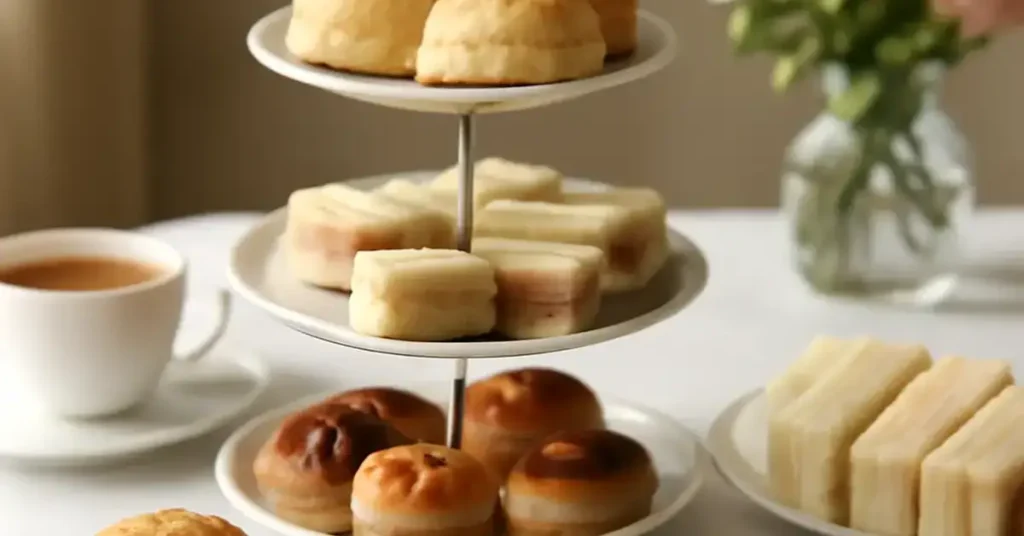
High Tea and Afternoon Tea Key Takeaways
Mastering High Tea and Afternoon Tea is about understanding their origins— afternoon tea is a light, elegant meal of scones , finger sandwiches , and pastries, while high tea is a heartier evening meal.
- Afternoon tea includes delicate finger sandwiches , scones with clotted cream , and small pastries served on a tiered stand.
- High tea is a more substantial meal featuring meats, pies, and bread served at a high dining table.
- Use fresh, high-quality ingredients for scones and clotted cream to create an authentic experience.
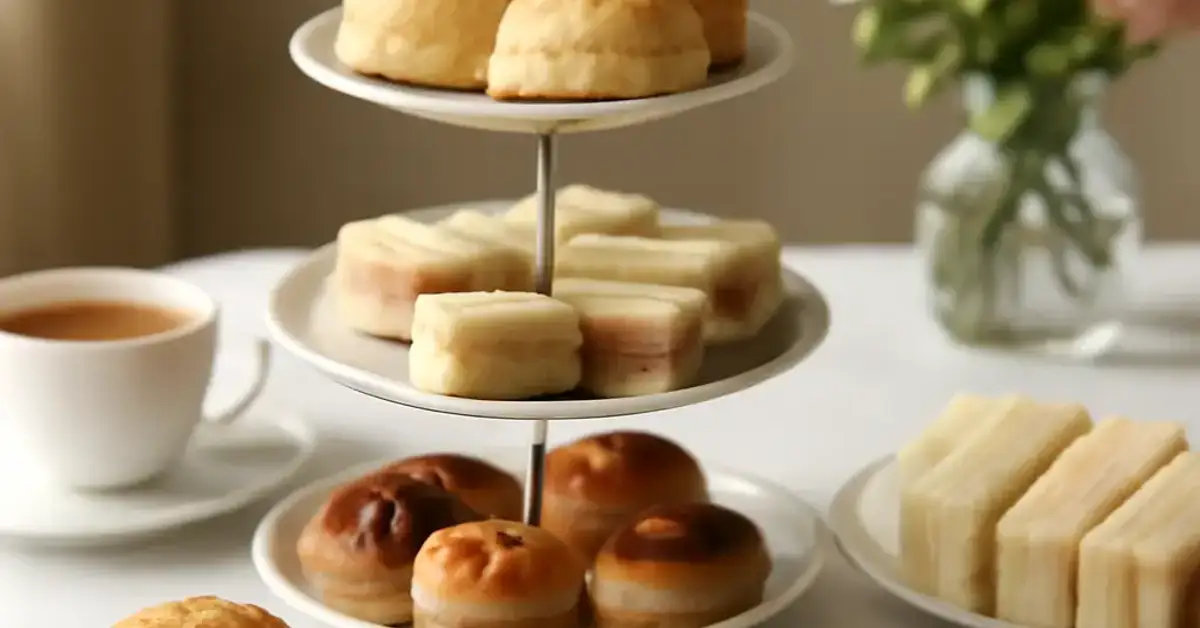
Understanding High Tea and Afternoon Tea: More Than Just a Name
Many people use the terms high tea and afternoon tea interchangeably, but they belong to very different traditions. Afternoon tea, also called “low tea,” was born in the 1840s among the British aristocracy as a light, refined meal served on low tables near sofas. It typically includes scones, finger sandwiches, and delicate pastries, all arranged on a three-tier stand. High tea, on the other hand, was the working-class evening meal, served at a high dining table after a long day of labor. It features heartier dishes like meats, pies, and bread, often accompanied by a pot of strong tea. For a related guide, see Vietnamese Fine Dining Guide: 5 Elevated Pho and Banh Xeo Secrets.
Knowing this difference helps you decide which style to host. For a casual, elegant gathering with friends, afternoon tea is the perfect choice. For a filling family dinner with tea, consider a high tea. Whichever you choose, quality ingredients and proper presentation elevate the experience.
7 Essential Tips for a Perfect High Tea and Afternoon Tea
Whether you are a first-time host or an experienced tea lover, these tips cover every element of a memorable tea service. From the best scones to the perfect finger sandwiches, we have you covered.
Tip 1: Start with the Right Tea Selection
Your tea sets the tone. For afternoon tea, choose classic black teas like Earl Grey, Darjeeling, or English Breakfast. Herbal infusions and green teas work well for variety, but avoid overly flavored blends that clash with food. For high tea, opt for strong, robust black teas such as Assam or Ceylon to complement the savory dishes. Always brew fresh, using loose leaves for the best flavor, and serve in a pre-warmed teapot. For a related guide, see 7 Expert Open Kitchen Dining Tips – Avoid These Common Mistakes.
Tip 2: Master the Art of Scones
Scones are the heart of any afternoon tea. Bake them from scratch using cold butter, flour, sugar, milk, and eggs. Keep the dough cold, and handle it gently to ensure a light, fluffy texture. Add currants, blueberries, or cheese for variety. Serve scones warm, split in half, with generous dollops of clotted cream and strawberry jam. The classic debate between “cream first or jam first” is a matter of personal preference—try both!
Tip 3: Perfect Your Finger Sandwiches
Finger sandwiches should be delicate, crustless, and cut into neat rectangles or triangles. Classic fillings include cucumber with cream cheese, smoked salmon with lemon butter, egg salad with cress, and ham with mustard. Keep the bread thinly sliced and fresh. Butter each slice lightly to prevent sogginess. Arrange the finger sandwiches on the bottom tier of your stand for easy access.
Tip 4: Source Authentic Clotted Cream
Clotted cream is a thick, rich cream made by slowly heating whole milk and allowing the cream to rise and clot. True clotted cream comes from Devon and Cornwall in England, but you can find quality versions at specialty stores or online. Avoid canned whipped cream—it lacks the density and flavor that makes clotted cream special. If you cannot find authentic clotted cream, you can make a simplified version at home by gently warming heavy cream until a thick crust forms.
Tip 5: Build a Beautiful Tiered Stand
Presentation is everything. A three-tier stand should hold finger sandwiches on the bottom, scones with clotted cream and jam on the middle, and pastries like macarons, petit fours, or fruit tarts on the top. This arrangement encourages guests to start with savory items, move to scones, and finish with sweets. Use a clean linen cloth, fresh flowers, and fine china to complete the setting.
Tip 6: Serve in the Correct Order
For afternoon tea, serve the tea first, then the finger sandwiches, followed by the scones with clotted cream, and finally the pastries. This progression allows guests to enjoy increasingly sweet flavors as they eat. For high tea, serve the main dishes first, then bread and butter, and finish with a simple dessert or cake.
Tip 7: Mind Your Etiquette
Tea etiquette adds grace to the experience. Hold your teacup with your thumb and index finger on the handle, not through it. Stir your tea gently without clinking the spoon. Never leave the spoon in the cup. Use a small plate for your food, and never dunk your scones into the tea. For finger sandwiches, eat them with your fingers—no fork required. At high tea, use your fork and knife as you would for any hearty meal.
Common Mistakes to Avoid When Hosting High Tea and Afternoon Tea
Even seasoned hosts can slip up. One common mistake is serving scones that are too dry or cold. Always bake them fresh and serve warm. Another error is using overly sweet jams or spreads that mask the tea’s flavor. Stick to high-quality preserves with natural fruit taste. Also, avoid overcrowding your tea stand; less is more for an elegant look. For finger sandwiches, never use stale bread—fresh, soft bread makes all the difference.
Do not forget to cater to dietary restrictions. Offer gluten-free scones or dairy-free clotted cream alternatives so everyone can enjoy the meal. A little planning ensures a stress-free, delightful tea party.
Useful Resources for High Tea and Afternoon Tea
To deepen your knowledge and perfect your recipes, check out these external resources:
- The Spruce Eats: Traditional English Afternoon Tea Recipes – A comprehensive collection of recipes for scones, finger sandwiches, and more.
- Historic UK: The History of Afternoon Tea – Read about the origins and evolution of afternoon tea in British culture.
Conclusion: Enjoy the Tradition of High Tea and Afternoon Tea
Hosting a memorable high tea or afternoon tea is about more than just food—it is about creating a moment of connection, warmth, and indulgence. With perfectly baked scones, delicate finger sandwiches, and rich clotted cream, your tea party will delight guests and honor a cherished tradition. Take your time, use quality ingredients, and don’t forget the etiquette. Now, put the kettle on and enjoy! For a related guide, see Mother’s Day Afternoon Tea Guide: 5 Elegant High Teas in Malaysia.
Frequently Asked Questions About High Tea and Afternoon Tea
What is the difference between high tea and afternoon tea ?
Afternoon tea is a light meal of scones, finger sandwiches, pastries, and tea served in the late afternoon. High tea is a heartier evening meal with meats, pies, and bread, served at a high table.
What do finger sandwiches usually contain?
Classic fillings include cucumber and cream cheese, smoked salmon with lemon butter, egg salad with cress, ham with mustard, and roast beef with horseradish.
Can I make clotted cream at home?
Yes, you can make a version by slowly heating heavy cream (not ultra-pasteurized) in the oven at 180°F for 12 hours until a thick crust forms, then chilling it. Authentic clotted cream is best purchased from UK specialty shops.
Should I serve scones warm or cold?
Scones are best served warm, fresh from the oven or reheated briefly, to bring out their buttery flavor and soft texture.
What is the correct order for eating an afternoon tea spread?
Start with savory items like finger sandwiches, then move to scones with clotted cream, and finish with sweet pastries.
Do I need a three-tier stand for afternoon tea ?
While not required, a three-tier stand adds elegance and helps organize the food by course. You can also use platters and small plates if you don’t have a stand.
Is clotted cream the same as whipped cream?
No, clotted cream is much thicker and richer, with a high butterfat content, while whipped cream is light and airy. Clotted cream is ideal for scones.
Can I use tea bags instead of loose tea for high tea ?
Yes, but loose tea typically gives a more nuanced flavor. Use high-quality tea bags if you must, but avoid over-brewing to prevent bitterness.
What type of bread is best for finger sandwiches ?
White or whole wheat bread with a soft, thin crust works best. Avoid dense or heavily seeded breads that might overwhelm the delicate fillings.
How many finger sandwiches per person?
Plan for 4 to 6 finger sandwiches per person for an afternoon tea, considering that guests will also eat scones and sweets.
Can I serve high tea in the afternoon?
Traditionally, high tea is served in the evening, but you can host a “high tea” themed meal at any time as long as you include hearty dishes like meats and pies.
What is the best jam for scones ?
Strawberry jam is classic, but raspberry, blackberry, or apricot preserves also work well. Use high-fruit preserves with natural sweetness.
Should I add sugar to my tea for afternoon tea ?
That depends on your taste. Many traditionalists drink their tea without sugar to appreciate the full flavor. Offer sugar cubes if guests prefer.
Is milk added to tea before or after pouring?
In British tradition, milk is added after the tea is poured to avoid scalding the milk. Some prefer it first to reduce the risk of cracking fine china.
Can I serve a vegan high tea ?
Absolutely. Use plant-based scones (with coconut cream), dairy-free clotted cream alternatives, and vegetable-based finger sandwiches with avocado, hummus, or roasted vegetables.
What beverages besides tea are served at afternoon tea ?
Tea is the star, but you can also offer sparkling water, lemonade, or a light sparkling wine like Prosecco for special occasions.
What does “high” refer to in high tea ?
The “high” refers to the high dining table where the meal was eaten, as opposed to the low tables used for afternoon tea in drawing rooms.
How should I store leftover scones ?
Store scones in an airtight container at room temperature for up to 2 days. Reheat briefly in the oven before serving to restore warmth and texture.
Can I freeze clotted cream ?
Freezing is not recommended because it alters the texture. Keep clotted cream refrigerated and use within a few days of opening.
What is the best way to cut finger sandwiches ?
Use a sharp serrated knife to cut off the crusts first, then cut the sandwiches into neat rectangles or triangles. This prevents tearing and gives a clean look.