
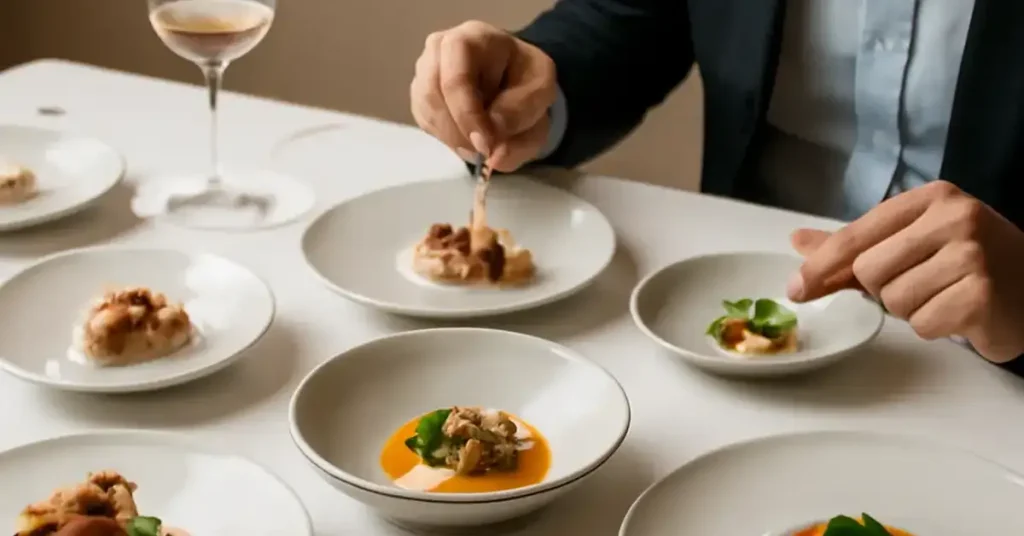
degustation marathon guide Key Takeaways
Around course thirteen, a pre-dessert (often citrus or herbal) resets your palate for sweets.
- Pace yourself from the start — the first few courses are just the warm-up, not the main event.
- Bread is your ally, not your enemy. A small piece between courses helps settle the stomach.
- Hydrate wisely with water or tea — skip heavy cocktails until the dessert course.
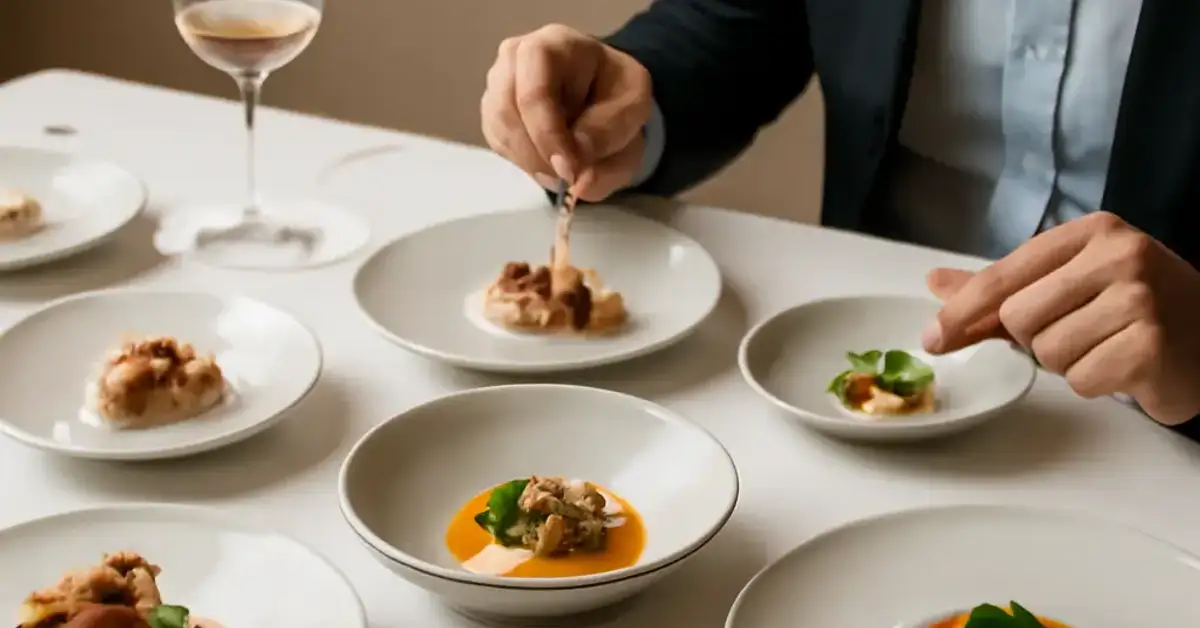
What Is a Degustation Marathon Guide and Why You Need One
A tasting menu that stretches beyond 15 courses is a culinary marathon, not a sprint. Restaurants like Eleven Madison Park or Noma design these experiences to take three to four hours, and the sheer volume can catch even seasoned food lovers off guard. This degustation marathon guide breaks down exactly how to prepare, pace, and enjoy the journey from amuse-bouche to petit fours without hitting a wall.
The secret is strategy. You wouldn’t run a marathon without hydrating properly or pacing your energy, and the same logic applies to a long tasting menu. With the right approach, you leave the table feeling satisfied, not stuffed — and you actually remember the flavors of every course.
How to Prepare Physically and Mentally for a 15+ Course Meal
Preparation begins a full day before your reservation. Eat a normal breakfast and a light lunch on the day of the meal. Avoid heavy, greasy foods or spicy dishes that might linger in your stomach. Arrive with a clean palate and a moderate appetite — not starving, not full.
Mentally, treat the experience like a performance. You are there to watch the chef tell a story through ingredients and techniques. Embrace the slow rhythm, and don’t rush. The best memories often come from the unexpected intermezzo or the course you initially doubted. For a related guide, see 7 Best Cocktail Pairing Restaurants for a Full Course Experience.
What to Wear and What to Bring
Comfortable clothing matters more than you think. Choose pants with a bit of stretch or a dress that doesn’t cinch at the waist. Avoid tight belts. Bring a small notebook or use your phone to jot down flavor notes — chefs love seeing guests engaged, and it helps you recall details later. Leave large bags at home; most fine dining restaurants will store your coat. For a related guide, see 7 Expert Open Kitchen Dining Tips – Avoid These Common Mistakes.
Pacing Yourself Through the Degustation Marathon
This is the heart of any degustation marathon guide. The first three courses are light and delicate — often raw fish, vegetables, or chilled soups. They are designed to wake up your taste buds, not fill your stomach. Sip water, take small bites, and let each course settle before the next arrives.
Around course six to eight, heavier proteins and starches appear. This is where many diners make the mistake of eating too fast. Slow down. Chew thoroughly. If the restaurant offers optional bread service, accept a small piece — it absorbs stomach acid and helps prevent that overly full feeling later.
Courses nine to twelve often feature the main protein (meat or fish) with complex sauces. By now, your appetite should be tempered. If you feel full, push the plate away after a few bites — nobody judges you for leaving food on a tasting menu. The kitchen expects it.
The Pre-Dessert and Dessert Rush
Around course thirteen, a pre-dessert (often citrus or herbal) resets your palate for sweets. This is the moment to perk up. Desserts are lighter than they appear — mousses, sorbets, and thin cakes. If you have survived this far, you will finish strong. Petits fours with coffee or tea are the final stretch; take them to-go if you prefer.
Portion Strategy: How Much to Eat at Each Stage
A three-bite rule works well for most courses. Aim for three deliberate bites, then pause. If the dish is exceptional, take a fourth. If not, stop at two. This keeps your stomach from stacking too much food too quickly.
Watch for starch bombs. Some chefs sneak in pasta or risotto mid-menu. When a course is very heavy (think truffle pasta or braised short rib), scale back on the next few lighter courses. The kitchen often balances the lineup, but you can adjust based on how you feel.
| Course Range | Typical Style | Portion Advice |
|---|---|---|
| 1–5 | Amuse, cold appetizers, ceviche | Eat freely — these are light |
| 6–9 | Heavier appetizers, pasta, fish | Moderate bites, skip bread if full |
| 10–13 | Main protein, savory pre-dessert | Eat half portions |
| 14–15+ | Desserts, petits fours | Enjoy — natural appetite returns |
What to Drink (and What to Avoid) During a Long Tasting Menu
Wine pairings are tempting, but they add alcohol volume that can dull your palate and make you feel tired. If you opt for a pairing, ask for smaller pours or skip the glass on heavier courses. Better yet, choose a premium non-alcoholic pairing — many top restaurants now offer tea, kombucha, or foraged sodas that complement food brilliantly without the buzz. For a related guide, see Vietnamese Fine Dining Guide: 5 Elevated Pho and Banh Xeo Secrets.
Water is your best friend. Drink a glass between every two courses. Sparkling water helps with digestion and keeps you alert. Avoid sugary sodas or heavy cocktails; they compete with the chef’s flavors and fill you up too fast. If you must have wine, stick to one glass of white or light red and sip it slowly.
Common Mistakes That Ruin the Degustation Marathon Experience
Eating too fast tops the list. When you rush, you miss the chef’s intention and fill up before the best courses arrive. Another mistake is drinking too much alcohol early — by course eight, you are drowsy and the food becomes a blur. A third error is refusing bread out of fear of carbs; a small piece of sourdough with good butter actually helps digestion and prevents heartburn.
Finally, don’t be afraid to communicate with the server. If a course has an ingredient you dislike, quietly ask for a substitution. Most kitchens are happy to adjust. And if you need a short break, just ask to step away from the table — a quick walk to the restroom resets both your stomach and your focus.
Etiquette Tips for a Smooth Fine Dining Marathon
While this is a degustation marathon guide for survival, etiquette keeps the experience pleasant for everyone. Put your phone on silent and keep it off the table. Engage with your dining companions about each course. Compliment the chef if you get a chance — a simple nod to the kitchen or a thank-you note on the bill goes a long way.
Use the correct utensils from the outside in, and don’t worry about which glass is yours — servers usually handle the pour. If you drop a utensil, signal the staff calmly. And never send a dish back unless something is actually wrong (undercooked or spoiled). Taste each course with an open mind, even if the ingredient seems unusual.
Useful Resources
For more on tasting menu etiquette and how restaurants design these experiences, read Fine Dining Lovers’ guide to tasting menu etiquette. To understand the kitchen perspective on pacing and portion design, check out Eater’s deep dive into tasting menu logistics.
Frequently Asked Questions About degustation marathon guide
What is a degustation marathon ?
A degustation marathon is a tasting menu featuring 15 or more small courses served over several hours, designed to showcase a chef’s full range of skills.
How do I survive a 15 course meal?
Pace yourself with small bites, drink water between courses, eat bread in moderation, and avoid heavy alcohol until the dessert course.
Should I eat before a degustation marathon ?
Eat a light breakfast and lunch on the day of the meal. Arrive with a mild appetite — not starving and not full.
How long does a 15+ course tasting menu take?
Most tasting menus last between 3 and 4 hours, depending on the restaurant and how many courses are served.
Is it rude to leave food on a tasting menu?
No. Chefs expect that guests may not finish every course, especially heavier ones. Simply push the plate aside when you are done.
Can I ask for smaller portions?
Quietly ask your server. Many restaurants can adjust portions, particularly if you are a smaller eater.
What should I drink with a long tasting menu?
Water, sparkling water, or a non-alcoholic pairing are best. If you choose wine, request smaller pours.
Should I skip the bread course?
No. A small piece of bread helps settle the stomach and can prevent heartburn from rich sauces.
How do I pace myself during a degustation marathon ?
Take three small bites per course, pause, and drink water. Slow down after the 6th course when portions get heavier.
What if I don’t like a particular ingredient?
Tell your server discreetly before the course starts. Most kitchens can substitute ingredients.
Is it okay to take photos of the food?
Yes, but keep your phone on silent and avoid flash. Take one quick shot and put the phone away.
What should I wear to a fine dining tasting menu?
Smart casual is usually fine. Avoid tight waistbands; choose stretchy or loose-fitting clothes.
Can I arrive late for a tasting menu?
Arrive on time or a few minutes early. Many restaurants serve courses at a fixed pace and cannot delay the start.
What is the best strategy for wine pairing?
Choose a half pairing or a non-alcoholic option. If you go full pairing, sip slowly and skip glasses during heavy courses.
How do I handle a food allergy during a tasting menu?
Notify the restaurant at least 48 hours before your reservation. Most high-end kitchens accommodate allergies.
Should I tip extra for a tasting menu?
Standard tipping practices apply — 15-20% of the total bill is customary. Some restaurants include service charge.
Can I take leftovers from a tasting menu?
Typically no, because courses are composed and don’t travel well. Some restaurants will wrap bread or petits fours.
What is the hardest course in a degustation marathon ?
The heaviest course, often a braised meat or risotto around course 8–10, is the most filling. Pause and eat only a few bites.
How do I stay awake during a long dinner?
Sparkling water, good conversation, and the excitement of each new course keep energy up. Avoid heavy red wine.
Is a degustation marathon worth the price?
For food lovers, yes — the creativity and skill in a 15+ course menu deliver an unforgettable experience when you pace yourself properly.