
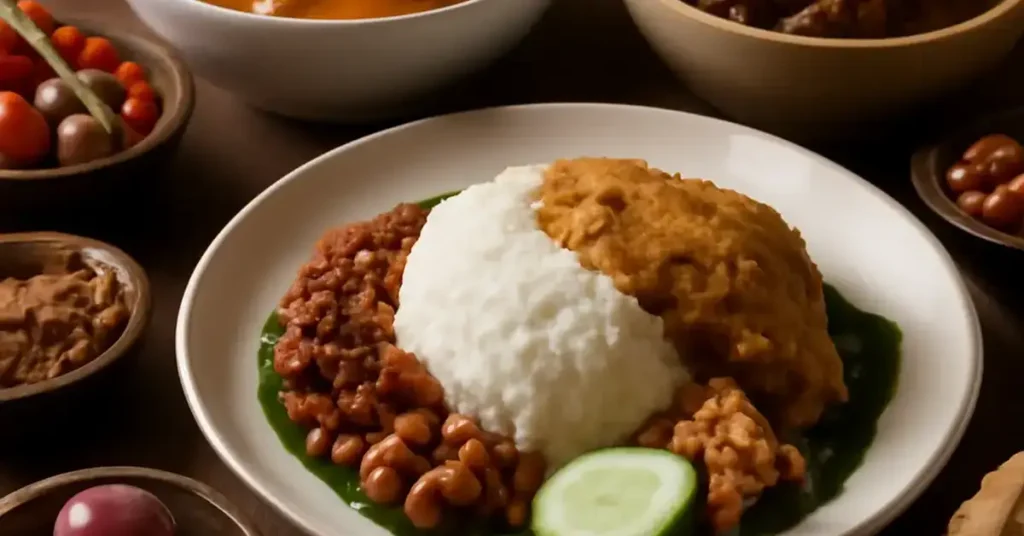
Merdeka Day Malaysian fine dining Key Takeaways
Merdeka Day is more than fireworks and flags—it is a chance to taste the nation’s soul through its finest local ingredients.
- Merdeka Day Malaysian fine dining celebrates indigenous ingredients like belacan, pandan, and coconut—each with a deep cultural story.
- Cooking with heritage ingredients such as tempoyak or kerisik adds an authentic, layered flavour that mass-produced substitutes cannot match.
- From fine-dining restaurants in Kuala Lumpur to home kitchens, local Malaysian cuisine is the heart of any Merdeka feast.
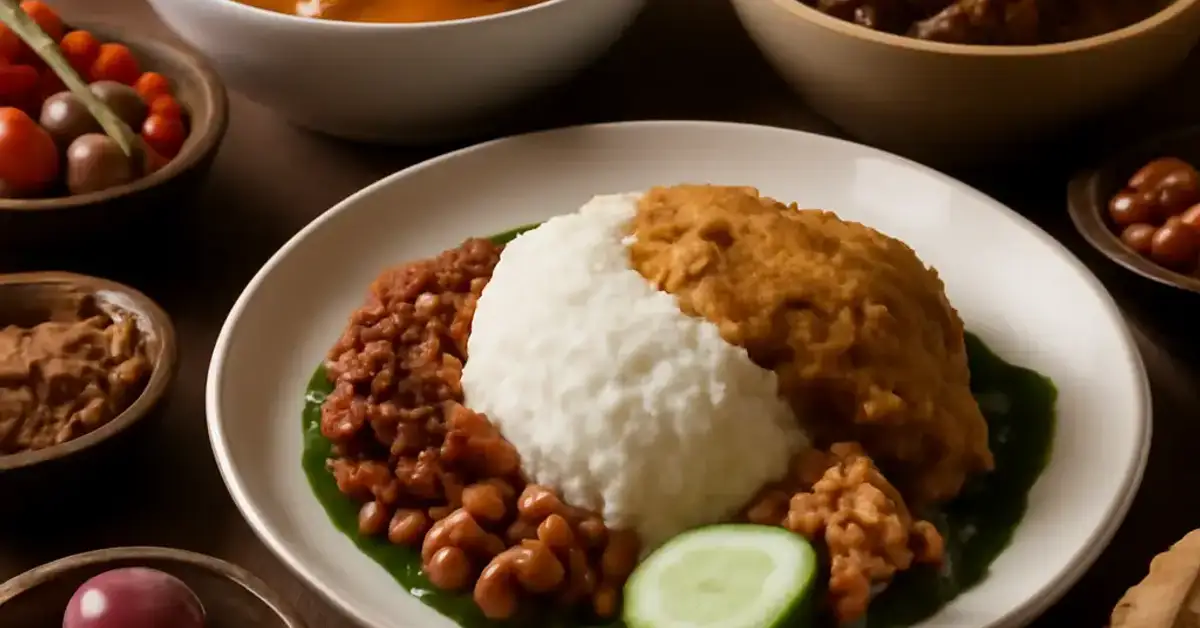
Why Merdeka Day Malaysian Fine Dining Matters for National Pride
The 31st of August in Malaysia is a day of unity, remembrance, and hope. While many celebrate with street parades and patriotic songs, a growing movement sees Malaysians turning to their plates as a canvas for national identity. Merdeka Day Malaysian fine dining transforms familiar ingredients into artful dishes that tell stories of paddy fields, coastal villages, and highland farms. It is not about extravagance—it is about reconnecting with the land through flavour. For a related guide, see 8 Essential Steakhouse and Whisky Pairings for Father’s Day Fine Dining.
Chefs across the country now source directly from smallholder farms, reviving heirloom varieties of rice, herbs, and spices. This shift honours the multi-ethnic roots of local Malaysian cuisine, blending Malay, Chinese, Indian, and indigenous influences. When you sit down to a fine dining meal on Merdeka Day, you are not just eating—you are participating in a cultural conversation that spans generations.
5 Essential Malaysian Heritage Ingredients for a Patriotic Feast
To create a truly memorable Merdeka Day fine dining menu, you need ingredients that carry the essence of Malaysia. Below are five staples that every chef—whether professional or home cook—should consider. For a related guide, see 5 Best Deepavali Fine Dining Tasting Menus: Expert Guide.
Belacan – The Fermented Soul of Malaysian Cooking
Belacan, a sun-dried shrimp paste, is the backbone of many Malay and Peranakan dishes. Its pungent aroma mellows when toasted, releasing a deep umami that cannot be replicated. In fine dining, chefs use belacan in delicate emulsions, sauces, and even ice creams to surprise and delight diners. Look for quality belacan from Penang or Terengganu—it should be dark, crumbly, and intensely fragrant.
Pandan Leaf – The Green Fragrance of the Tropics
Pandan, or screwpine leaf, is the quiet workhorse of Malaysian desserts and savoury dishes alike. Its grassy, vanilla-like aroma elevates everything from coconut rice to panna cotta. For a modern twist, fine dining restaurants infuse pandan into stocks, sous-vide proteins, or use it as a garnish. Fresh leaves are best, but frozen ones also retain much of their fragrance.
Kerisik – Toasted Coconut for Richness
Kerisik is grated coconut that has been dry-roasted until golden and then pounded to a paste. It adds a nutty, smoky depth to curries, rendang, and sambal. In fine dining, kerisik can be used as a crust for fish or chicken, or stirred into sauces for a velvety finish. Making kerisik at home requires patience—stir continuously over low heat until the colour changes evenly.
Tempoyak – Fermented Durian’s Bold Umami
Tempoyak is fermented durian flesh, a polarising ingredient that rewards adventurous palates with a sour, creamy, and intensely savoury profile. Fine dining chefs often pair tempoyak with grilled seafood or roast pork to balance its punch. When selecting tempoyak, choose a jar with minimal liquid separation—a sign of proper fermentation.
Gula Melaka – Coconut Palm Sugar with Caramel Soul
Gula Melaka is unrefined palm sugar from the sap of coconut flowers. Its complex caramel and molasses notes make it a star in desserts like sago pudding, creme brulee, or as a glaze for meats. Authentic gula Melaka comes in solid cakes with a deep brown hue. For a fine dining touch, shave it over a warm dessert or dissolve it into a reduction for a savoury dish.
| Ingredient | Flavour Profile | Fine Dining Use |
|---|---|---|
| Belacan | Pungent, umami, briny | Emulsions, sauces, ice cream |
| Pandan Leaf | Grassy, vanilla, floral | Infusions, desserts, sous-vide |
| Kerisik | Nutty, smoky, earthy | Crusts, thickeners, sauces |
| Tempoyak | Sour, creamy, funky | Seafood pairing, marinades |
| Gula Melaka | Caramel, molasses, rich | Desserts, glazes, reductions |
Cooking Tips for Merdeka Day Fine Dining at Home
Bringing restaurant-quality local Malaysian cuisine into your home kitchen does not require a professional chef’s toolkit. Start with one or two heritage ingredients and build around them. Here are practical tips to elevate your Merdeka Day menu.
Toast Belacan Properly
Wrap a small piece of belacan in foil and dry-toast it in a pan for 2–3 minutes per side until fragrant. Crumble it over fried rice or whisk into a vinaigrette for a bold salad dressing.
Make a Quick Pandan Syrup
Simmer 5 pandan leaves (tied in a knot) with 1 cup of water and 1/2 cup of sugar for 10 minutes. Strain and use as a drizzle for coconut sago or as a cocktail sweetener.
Balance Tempoyak’s Sourness
When cooking with tempoyak, balance its sharpness with a touch of gula Melaka or coconut milk. Mix it into a simple sambal for grilled fish or chicken wings.
Where to Experience Merdeka Day Malaysian Fine Dining in Malaysia
If you prefer to leave the cooking to the pros, several restaurants across the country champion Malaysian heritage ingredients on their menus. Here are two standouts that embody the spirit of Merdeka Day fine dining.
Dewakan – Kuala Lumpur
Dewakan is one of Malaysia’s first restaurants dedicated to native ingredients. Their tasting menu features items like fern shoots, wild ginger flower, and fermented rice—all sourced from Malaysian farms. Their Merdeka Day special often includes a dish that reimagines nasi lemak using puffed rice and belacan foam.
Skillet – Petaling Jaya
Skillet blends French techniques with local flavours. Their signature dish—confit duck leg with a pandan-infused jus—demonstrates how local Malaysian cuisine can shine in a fine dining setting. Reservations for Merdeka Day book out weeks in advance, so plan ahead.
Risks and Safeguards When Cooking with Heritage Ingredients
Working with fermented or strong-flavoured ingredients like tempoyak and belacan can be intimidating. A common mistake is using too much, overwhelming the dish. Start with a small amount and taste as you go. Another risk is poor storage: belacan and tempoyak must be kept in airtight containers in the refrigerator to prevent spoilage. Always check the expiry date on packaged ingredients and buy from trusted suppliers to ensure quality.
Useful Resources
For further reading on Merdeka Day Malaysian fine dining and heritage ingredients, these resources offer in-depth guidance:
- BBC Good Food – Malaysian Cuisine Guide – A comprehensive overview of key dishes and ingredients.
- Makan – Malaysia’s Culinary Heritage – A community-driven project documenting traditional recipes and ingredient stories.
Frequently Asked Questions About Merdeka Day Malaysian fine dining
What is Merdeka Day Malaysian fine dining?
It is a celebratory meal that uses premium local ingredients and culinary techniques to honour Malaysia’s Independence Day, often featuring indigenous herbs, spices, and cooking traditions.
Why use Malaysian heritage ingredients in fine dining?
These ingredients carry unique flavours and cultural stories that mass-produced alternatives lack, making each dish authentic and meaningful.
Where can I buy belacan for home cooking?
Belacan is available at most wet markets, Asian grocery stores, and online retailers like Shopee or Lazada—look for brands from Penang.
Is tempoyak safe to eat raw?
Yes, tempoyak is safe to eat raw as a condiment, but it is often cooked into dishes to mellow its sharp flavour.
Can I substitute kerisik with regular coconut?
No, regular grated coconut lacks the concentrated nutty flavour and texture of kerisik—toast your own coconut to replicate it.
How do I store pandan leaves?
Wrap fresh pandan leaves in paper towel and store in a plastic bag in the refrigerator for up to one week, or freeze them for several months.
What is gula Melaka used for besides desserts?
It works beautifully in savoury glazes for meats, salad dressings, and even as a sweetener for coffee or tea.
How do I make kerisik at home?
Grate fresh coconut, then dry-roast in a pan over low heat, stirring constantly until golden brown. Pound or blend into a paste.
Are there vegetarian options for Merdeka Day fine dining ?
Yes, many restaurants offer vegetarian menus using tempeh, tofu, and vegetable rendang made with coconut milk and kerisik.
What is the best rice for a Merdeka feast?
Fragrant Malaysian white rice, such as Bario or Songket rice, pairs perfectly with rich curries and sambal.
How can I find restaurants serving Merdeka Day specials?
Check restaurant social media pages or booking platforms like Eatigo and BookRetreat for limited-time Merdeka menus.
Can I freeze dishes made with pandan?
Yes, pandan-infused sauces and desserts freeze well—just reheat gently to preserve the fragrance.
What drink pairs with Merdeka Day fine dining ?
Local options like young coconut water, calamansi juice, or a tamarind mocktail complement the bold flavours without overpowering them.
Is belacan gluten-free?
Pure belacan is made from shrimp and salt, so it is naturally gluten-free—but check labels for additives.
How do I reduce the sourness of tempoyak?
Balance it with a sweetener like gula Melaka or a creamy element like coconut milk to tame the acidity.
What is a simple Merdeka Day dessert?
Sago gula Melaka—cooked sago pearls topped with palm sugar syrup and coconut milk—is a classic and easy-to-make dessert.
Do I need special equipment for fine dining at home?
No, but a mortar and pestle for grinding spices and a good non-stick pan help achieve better results.
What is the most important ingredient for a Merdeka meal?
Coconut milk is a unifying element in many Malaysian dishes, adding richness and tying flavours together.
Can I mix Chinese techniques with Malay ingredients?
Absolutely—fusion cooking is a hallmark of modern Malaysian fine dining and honours the country’s multicultural roots.
How do I celebrate Merdeka Day with food as a family?
Cook a traditional dish together using a heritage ingredient, set a festive table with batik cloth, and share stories about each ingredient’s origin.