
where do restaurants get their ingredients Key Takeaways
The pre-dawn light was still gray when Chef Amelia Vargas pulled her truck onto the gravel road that led to Sweet Hollow Farm.
- Understanding where do restaurants get their ingredients starts with direct farm partnerships, where chefs often work with growers to plant specific varieties.
- Foraging networks and specialty importers add layers of seasonality and global depth that few grocery supply chains can match.
- Smart sourcing reduces waste, builds community, and directly translates into a more compelling dining experience.
A Chef’s Dawn: The Source of a Great Meal
The pre-dawn light was still gray when Chef Amelia Vargas pulled her truck onto the gravel road that led to Sweet Hollow Farm. She had been a devotee of farm to table restaurant sourcing long before the term became a marketing slogan. For her, the journey to understand where do restaurants get their ingredients began not in a glossy catalog, but in the mud between rows of heirloom tomatoes. “If I can taste the soil in a carrot,” she told me, “I know I’ve found my source.” For a related guide, see 7 Ways a Chef’s Origin Story Shapes Their Cuisine – Expert Insights.
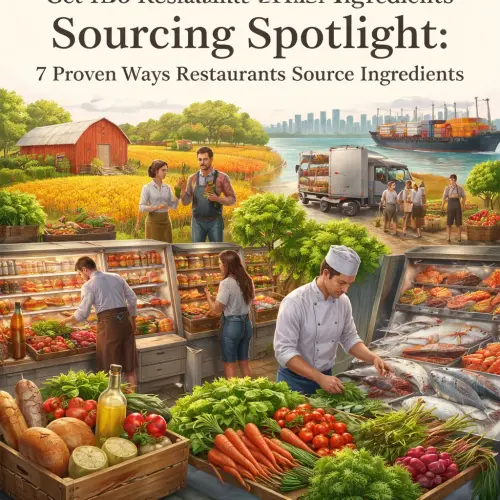
Amelia’s story is not unique, but it is instructive. In an era of supply chain shortcuts, a growing number of chefs are going back to basics, building their pantries one relationship at a time. Let’s walk through the seven proven ways they do it.
1. Direct Farm Visits: The Foundation of Ingredient Sourcing
Nothing beats a handshake. For many chefs, the primary answer to where do restaurants get their ingredients is “directly from the farmer.” Weekly or bi-weekly trips to local farms allow chefs to see crops before harvest, ask questions about growing practices, and even request specific heirloom varieties.
At Sweet Hollow, Amelia works with farmer Luis to plant a particular kind of purple carrot that no distributor carries. “I get exclusivity,” she explains, “and Luis gets a premium price and a guaranteed buyer.” This symbiotic relationship is the heart of true farm-to-table dining. Chefs often use a “farm sheet”—a simple spreadsheet shared between farmer and chef—to plan the weekly menu around what is about to ripen. For a related guide, see Solo Fine Dining: 7 Smart Tips for an Elegant Dinner Alone.
2. Restaurant Forager: The Hunter-Gatherer of Fine Dining
Not all ingredients come from fields. Some come from forests, coastlines, and hedgerows. A restaurant forager is a specialist who scouts wild landscapes for edible treasures: morel mushrooms, ramps, sea beans, wild fennel, and delicate herbs. This ancient practice has become a hallmark of avant-garde menus.
Amelia works with a forager named Jade who supplies her with ramps for only three weeks each spring. “When you see ramps on a menu,” Amelia says, “you know a forager was involved.” The relationship between chef and forager is built on trust and deep botanical knowledge. Foragers are paid a premium for their skill, and chefs gain ingredients that can’t be replicated by agriculture.
Specialty food importer partners also play a role here—some ingredients simply don’t grow locally. But for wild, seasonal, and hyper-local items, the forager is unmatched.
3. Specialty Food Importers: The Global Larder
When where do restaurants get their ingredients becomes a question of global reach, the specialty food importer is the answer. These experts bridge continents, bringing in everything from Basque cider vinegar to Japanese yuzu kosho. Unlike broad-line distributors, importers focus on small-batch, artisanal products with traceable origins.
Amelia uses a Miami-based importer for her Calabrian chilies and Sicilian capers. “The difference in flavor is night and day,” she says. “Mass-market capers are briny and one-note. My import source brings capers that still taste of the sea and the sun.” Importers often visit the producers themselves, ensuring not just quality but ethical and environmental standards.
4. Farmers Markets: The Weekly Treasure Hunt
For smaller restaurants or those early in their sourcing journey, farmers markets are an accessible gateway. Every Wednesday, Amelia walks the Market Square, tasting as she goes. She buys from five different vendors, including a woman who grows micro greens in her backyard and a beekeeper whose honey changes flavor every season.
The downside is inconsistency—availability is weather-dependent. But the upside is discovery. Chefs often find their first forager, farmer, or importer at a market. It’s a low-risk way to start building a network before committing to larger contracts.
5. Community Supported Agriculture (CSA) Partnerships
Some chefs skip the individual relationships and partner directly with a CSA farm. The restaurant buys a share of the season’s harvest—sometimes more than one—and the farm delivers a weekly box of whatever is fresh. This forces creativity in the kitchen, which adventurous diners love.
“It’s like a blind date with vegetables,” Amelia laughs. “One week it’s kohlrabi, and I have to figure out three ways to use it.” CSA sourcing is particularly popular among chefs who value seasonality and want to reduce food miles. It also provides a stable income for farmers.
6. Online Foraging and Specialty Marketplaces
Technology has disrupted even the most analog craft. Several online platforms now connect chefs directly with producers—think of them as the Etsy of food. Platforms like Culinary Breeding Network and specialty seafood hubs allow chefs to order direct from growers, fishermen, and small-batch makers.
Restaurant ingredient sourcing has gone digital, but the best platforms still prioritize transparency, providing grower profiles, harvest dates, and photos. Amelia uses one for sourcing rare mushrooms that her local forager cannot find. It’s a useful supplement, though she insists on visiting at least one new farm in person each season.
7. In-House Growing and Preservation
The ultimate source is the one you control. Many chefs now maintain on-site gardens, even in urban settings. Rooftop beds, hydroponic towers, and microgreen trays in the basement have become common. Fermentation and pickling also extend the shelf life of seasonal bounty.
Amelia’s kitchen has a small garden of herbs, edible flowers, and a few heirloom tomato plants. “I can walk out the back door and pick exactly what I need for tonight’s garnish,” she says. “That level of control is addictive.” Preservation also means she can use local ingredients year-round, reducing reliance on off-season imports.
How to Choose the Right Sourcing Mix for Your Kitchen
Not every restaurant can or should visit a farm every week. The best approach depends on size, budget, concept, and location. Here is a quick guide to choosing your mix:
| Restaurant Type | Primary Sourcing Method | Secondary Options |
|---|---|---|
| Fine dining | Farm visits + foragers + importers | Online specialty markets, in-house garden |
| Casual farm-to-table | Farmers markets + CSA | Direct farm visits, small imports |
| Fast-casual with global menu | Specialty importers | Online marketplaces, farm stands |
| Urban bistro | Farmers markets + in-house growing | CSA partnerships, limited imports |
Useful Resources
To deepen your understanding of where do restaurants get their ingredients, these resources are excellent starting points:
- Farm-to-Consumer Legal Defense Fund – Offers guidance on direct-to-consumer and farm-to-restaurant legal pathways, including cottage food laws.
- Chefs Collaborative – A network of chefs who advocate for sustainable sourcing, with toolkits for building farm relationships and selecting specialty importers.
Frequently Asked Questions About where do restaurants get their ingredients
What is the most common way restaurants source ingredients?
The most common method is through broad-line distributors (like Sysco or US Foods), which offer convenience, consistency, and volume. However, many chefs supplement with direct farm visits and specialty importers for higher-quality or unique items.
How do small restaurants compete with big chains for ingredient sourcing?
Small restaurants often win by building personal relationships with local farmers, foragers, and importers. They offer reliability, loyalty, and a story for the menu that big chains cannot replicate.
Why do chefs visit farms personally?
Personal visits build trust, allow chefs to inspect growing methods, request specific varieties, and often negotiate better prices. It also creates a direct story they can share with guests.
Is foraging safe for restaurant use?
Only when done by trained, licensed foragers who can positively identify edible species and avoid contaminated areas. Many chefs require liability insurance from their foragers.
What is the role of a specialty food importer ?
A specialty food importer sources products from specific producers worldwide—such as artisan cheeses, cured meats, oils, and spices—ensuring traceability and premium quality that broad-line distributors cannot provide.
How do chefs find reliable foragers?
Most find foragers through word-of-mouth, chef networks, farmers markets, or regional mycological societies. Online platforms like Wild Foodism also connect chefs with foragers.
Can a restaurant be fully farm-to-table?
Total farm-to-table sourcing is challenging due to climate, seasonality, and cost. Most chefs aim for a high percentage of local and direct sourcing, while using importers for staples like coffee, spices, and citrus.
How do restaurants handle seasonal ingredient changes?
Many adopt a rotating menu that changes weekly or monthly. They plan around harvest calendars, preserve surplus (fermentation, canning), and build relationships with multiple farms to extend the season.
What is a CSA partnership for restaurants?
A restaurant buys a share (or multiple shares) of a farm’s harvest for a season. The farm delivers a weekly box of whatever is ripe, which forces creativity and reduces food waste.
Do chefs pay more for direct-sourced ingredients?
Often, yes. Direct sourcing cuts out middlemen, but small-scale producers charge premium prices for quality, small batches, and specialized varieties. Many chefs consider it a worthwhile investment for menu differentiation.
How do online specialty marketplaces work for chefs?
Platforms allow chefs to browse producer profiles, order direct, and receive goods shipped nationwide. They offer transparency about origin and harvest dates, similar to a digital farmers market.
What is the biggest challenge in restaurant ingredient sourcing ?
Consistency and supply chain reliability are the biggest hurdles. Depending on weather, seasonality, and producer capacity, what is available one week may be gone the next.
How do chefs test a new ingredient source?
They typically start with a small trial order, taste it against a known standard, visit the source if possible, and test it in several dishes before committing to a regular order.
Can foraging be scaled for large restaurants?
Rarely. Foraging is inherently small-scale and seasonal. Large operations typically use foragers for limited-time specials or garnish elements rather than core menu items.
What certifications should a specialty importer have?
Look for organic, Fair Trade, non-GMO, and country-of-origin labeling. Reputable importers also carry traceability documentation and may be B Corp certified.
How do chefs build relationships with farmers?
Start with a visit, ask questions, show genuine interest, and follow through on small orders. Over time, trust grows, and farmers may plant specific varieties for the chef.
Is farm-to-table more expensive for diners?
Often, yes. Higher ingredient costs, smaller scale, and labor-intensive sourcing translate to higher menu prices. Many diners happily pay the premium for quality and storytelling.
What is the best season for farm-fresh sourcing?
Late spring through early autumn is peak season in most temperate climates, with summer being the most abundant. Many chefs maximize sourcing during these months and preserve for winter.
How do restaurants reduce food waste from variable sourcing?
Techniques include flexible menus, daily specials, nose-to-tail cooking, and preservation methods like pickling, fermentation, and dehydrating surplus ingredients.
Can a restaurant start sourcing directly without a large budget?
Yes. Begin with one farmers market a week, buy small quantities, and build relationships gradually. Even a single direct-sourced ingredient can become a menu highlight.