
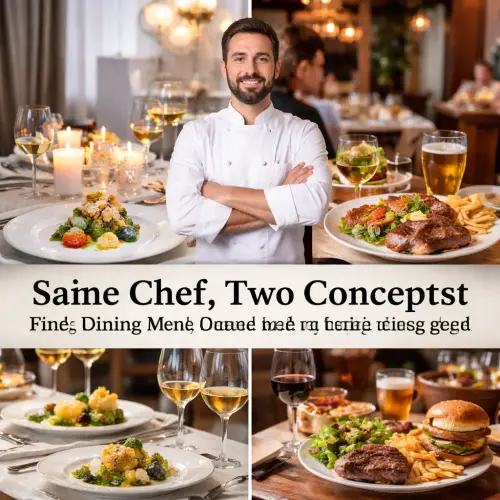
Same Chef Two Concepts Key Takeaways
When a single chef runs both a high-end tasting menu restaurant and a casual bistro, diners get two wildly different expressions of the same culinary mind.
- The Same Chef Two Concepts approach lets chefs showcase technical mastery in the tasting menu while exploring comfort and creativity in the bistro.
- While the tasting menu emphasizes precision and storytelling, the bistro focuses on approachable flavors and higher turnover.
- Understanding the contrast helps diners make informed choices based on occasion, wallet, and curiosity.
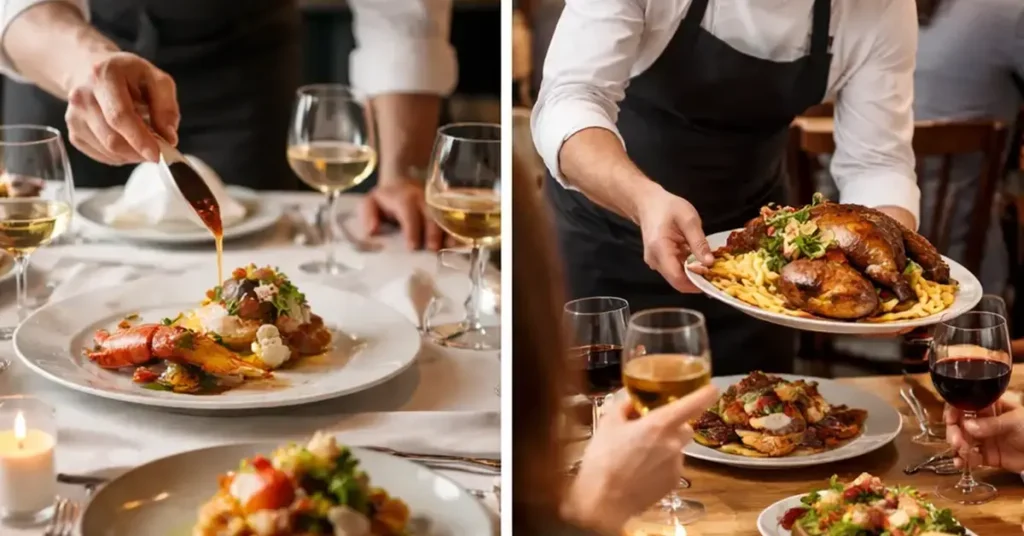
What Makes the Same Chef Two Concepts Model So Compelling?
Great chefs often have more ideas than one menu can hold. The Same Chef Two Concepts arrangement lets them explore on multiple fronts. In the tasting menu world, they craft intricate, multi-course narratives that push boundaries with technique and rare ingredients. Down the street at their bistro, the same hands create rustic pastas, wood-fired proteins, and desserts that remind you why you love eating out. This duality rewards loyal diners who want both a special-occasion splurge and a reliable weeknight gem. For a related guide, see 7 Smart Palate Cleanser Tips: The Intermezzo Course Role and Creativity.
Ambiance Contrast: White Tablecloths vs. Welcoming Bustle
Walking into a chef’s tasting menu room feels like entering a gallery. Lighting is low, tables are spaced far apart, and the kitchen silence is broken only by the clink of a wine decanter. Every detail—from the weight of the flatware to the scent of the candle—is curated to draw your attention to the plate.
Inside the Tasting Menu Space
Expect minimal decor, often with an open kitchen that feels theatrical. Tables are small and set for long, quiet dinners. Service is choreographed: multiple staff members present each course, explain ingredients, and refill water at precisely the right moment. For a related guide, see Service Flow and Timing: 5 Proven Strategies for Better Course Pacing.
The Bistro Vibe
Bustling, warm, and often loud. The bistro favors communal tables, bar seating, and an open pass where you can watch the chef expedite orders. Music plays, servers move quickly, and the energy is social. It’s built for conversation, not contemplation.
Menu Philosophy: Precision vs. Pleasure
This is where the Same Chef Two Concepts gap widens the most. The tasting menu is a fixed sequence, often 8 to 14 courses, with no substitutions. The chef dictates the journey. In contrast, the bistro offers an à la carte menu encouraging grazing and sharing.
Tasting Menu: A Culinary Script
Courses follow a narrative arc: amuse-bouche, cold appetizer, warm appetizer, seafood, meat, palate cleanser, cheese, dessert, and petits fours. Each plate involves multiple techniques, from sous vide and fermentation to gelification and smoking. Wine pairings are curated to elevate each bite.
Bistro Menu: Comfort and Craft
The bistro menu changes seasonally but sticks to crowd-pleasers: a perfect burger, a long-braised lamb shank, a fritto misto, and a chocolate tart. Portions are generous. The chef still uses high-level techniques—like hand-rolled pasta or house-cured charcuterie—but the goal is immediate satisfaction, not intellectual discovery.
Signature Dishes: The Same Chef Two Concepts in Practice
A chef known for an intricate foie gras terrine with pickled cherries and brioche crumble in the tasting menu might serve a simple chicken liver mousse on toast at the bistro. The flavors echo, but the presentation and price differ wildly.
Tasting Menu Signature
Take a dish like “Lobster poached in brown butter with cauliflower purée, black truffle shavings, and a champagne beurre blanc.” It’s a study in precision: the lobster cooked exactly to temperature, the purée silky, the truffle shaved tableside.
Bistro Signature
The same chef’s bistro might offer “Lobster roll with brown butter mayo, toasted split-top bun, and celery salad.” Same protein, same key flavor (brown butter), but approachable, handheld, and half the price.
Comparative Value: Boxing Ring of Same Chef Two Concepts
| Aspect | Tasting Menu | Bistro |
|---|---|---|
| Price per person (food only) | $150 – $350+ | $30 – $70 |
| Wine pairing cost | $100 – $250 | $15 – $25 per glass |
| Meal duration | 2.5 – 4 hours | 1 – 1.5 hours |
| Number of courses | 8 – 14 | 2 – 4 (app + main + dessert) |
| Reservation difficulty | Often requires booking weeks ahead | Walk-ins welcome, small queue expected |
| Occasion best suited for | Anniversaries, celebrations, culinary tourism | Date night, dinner with friends, post-work meal |
Pricing and Target Audience: Who Goes Where?
The tasting menu targets diners seeking an event—a three-hour immersion where every bite surprises. These guests are often food enthusiasts, collectors of Michelin stars, or couples celebrating a milestone. They come prepared to spend and to pay attention.
Who Loves the Bistro?
The bistro draws local regulars, families, and anyone craving quality food without the formality. It’s also a feeder into the chef’s universe: first-time visitors who love the burger may later book the chef’s tasting menu for a special occasion. The bistro builds loyalty and curiosity.
How to Choose Between a Chef’s Tasting Menu and a Casual Bistro
Ask yourself three questions: How much time do you have? How much do you want to spend? Do you want to be surprised or comforted? If you answered “three hours,” “a lot,” and “surprised,” go for the tasting menu. If you answered “an hour,” “moderate,” and “comforted,” choose the bistro. For the best of both worlds, visit the bistro first, then return for the full tasting menu once you’ve built trust with the chef’s style.
Pro Tip: Try a Hybrid Evening
Some chefs offer a “bistro bar” inside the tasting menu restaurant—a small counter where you can order limited dishes from the tasting menu repertoire at lower prices. This is the sweet spot for the curious but budget-conscious diner.
Useful Resources
For deeper insight into how chefs balance two concepts, read Eater’s interview with Thomas Keller about The French Laundry versus Bouchon: Eater: Thomas Keller on Running Fine Dining and a Bistro.
To explore the business side of running multiple restaurant concepts, check this Forbes analysis: Forbes: The Business Case for Chef-Driven Multi-Concept Operations.
Frequently Asked Questions About Same Chef Two Concepts
Frequently Asked Questions About Same Chef Two Concepts
What does “Same Chef Two Concepts” mean?
It refers to a single chef operating both a high-end tasting menu restaurant and a casual bistro, often in the same city or neighborhood, offering two distinct dining experiences under one culinary vision.
Is the bistro food ever the same as the tasting menu?
Not exactly. The bistro uses similar quality ingredients and techniques but in more approachable formats. A signature sauce or cooking method might appear in both, but the composition and portion size differ significantly.
Which is better value: tasting menu or bistro?
If value means cost per dish, the bistro wins. If value means a once-in-a-lifetime culinary journey and maximum creativity, the tasting menu offers unmatched intellectual return on investment.
Can I order from the tasting menu at the bistro?
Typically no. The bistro has its own fixed or seasonal menu. However, some chefs host occasional crossover nights where bistro guests can order tasting-menu-style dishes in a relaxed setting.
Why do chefs open both a tasting menu and a bistro?
To reach different audiences, generate steady cash flow from the bistro to support the high-cost tasting menu, and to give their team a diverse working environment that develops all-around skills.
How far in advance should I book a tasting menu?
Most high-end tasting menus require reservations 2–4 weeks ahead. Some popular spots open bookings exactly 30 days in advance and sell out within hours.
Are walk-ins accepted at the bistro?
Yes, most bistros welcome walk-ins, especially on weeknights. Expect a wait on weekends. Some accept limited reservations for parties of four or more.
Which concept is better for a first date?
The bistro is more relaxed and easier to converse in. The tasting menu can be romantic but may feel too formal or expensive for an early date.
Do chefs use the same suppliers for both concepts?
Usually yes. Both restaurants often share produce, meat, and seafood suppliers, which ensures consistent quality and allows the chef to negotiate better pricing across both venues.
What is the average price of a chef’s tasting menu in the US?
Expect $150–$300 per person for food only, excluding beverages, tax, and tip. Wine pairings add another $100–$250 per person.
What is the average price of a bistro meal?
Bistro meals average $30–$70 per person for food. Wine by the glass is $12–$25. Total per person with a drink and tip usually comes to $50–$110.
Can I do a tasting menu solo?
Absolutely. Many tasting menu restaurants welcome solo diners at the counter or a small table. It’s an excellent way to fully concentrate on the food.
Is the bistro menu always cheaper?
Yes, by 60–80%. The bistro uses less costly ingredient cuts (like chuck instead of tenderloin), simpler presentations, and faster table turnover, keeping prices lower.
Do tasting menus accommodate dietary restrictions?
Most do, with advance notice. Chefs often create a parallel vegetarian, vegan, or gluten-free tasting menu. Always inform the restaurant at booking time.
How does service differ between the two?
Tasting menu service is formal and unhurried, with each course described in detail. Bistro service is friendly and efficient, with servers handling multiple tables at once.
Can I bring children to a tasting menu restaurant?
Most high-end tasting menu restaurants discourage young children due to the quiet atmosphere and long duration. The bistro is much more family-friendly.
Which concept is more profitable for the chef?
The bistro often yields higher profit margins because of higher table turnover and lower labor cost per cover. The tasting menu builds brand prestige and media attention.
Do chefs ever combine both concepts in one space?
Yes, some modern restaurants offer a tasting menu room in the back and a bistro bar up front. This hybrid model lets diners choose their adventure within the same building.
How can I tell if a chef runs two concepts?
Check the chef’s Instagram or website. Many explicitly promote “Chef [Name] presents [Fine Dining] + [Bistro].” Also look for shared branding or a “sister restaurant” mention.
What is the biggest lesson from the Same Chef Two Concepts model?
That exceptional cooking doesn’t have to be expensive. The bistro proves that a chef’s talent can be enjoyed on a random Tuesday, not just on a special anniversary. It makes great food democratic.