
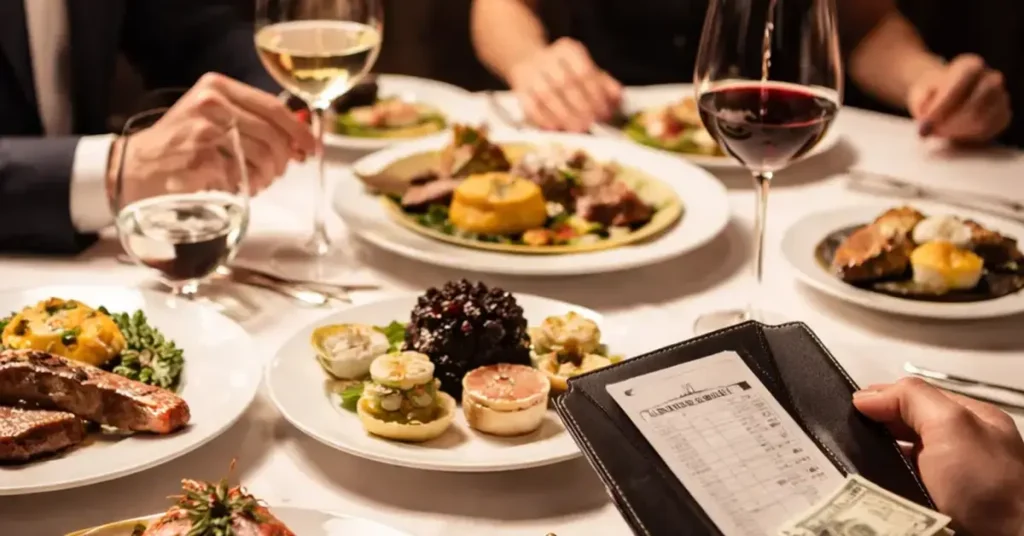
Value Reflection luxury dining Key Takeaways
With tasting menus regularly soaring past $300 per person and exclusive reservations requiring deposits months in advance, diners are demanding more than beautiful plates.
- A structured Value Reflection luxury dining framework helps diners separate genuine craftsmanship from inflated pricing.
- Expert chefs and restaurateurs agree that worth is defined by sourcing, skill, service consistency, and emotional resonance.
- Using five key checks—ingredient integrity, culinary technique, service precision, ambiance, and emotional payoff—you can confidently evaluate any high-end meal.

Why Value Reflection luxury dining Matters More Than Ever in 2025
With tasting menus regularly soaring past $300 per person and exclusive reservations requiring deposits months in advance, diners are demanding more than beautiful plates. The post-pandemic era has reshaped expectations: people want experiences that feel personal, ethical, and unforgettable. A simple “good meal” no longer justifies a four-figure bill. That is where a disciplined Value Reflection luxury dining exercise becomes essential. It shifts the question from “Can I afford it?” to “Does this meal enrich my life?”
The Shift from Status to Substance
Once, luxury dining was a display of wealth—white tablecloths, caviar towers, and a wine list thicker than a novel. Today, discerning guests seek provenance, storytelling, and sustainability. A restaurant that sources its vegetables from a single organic farm or ages its own cheese offers a narrative that adds perceived value. Without that narrative, even the most expensive ingredients can feel disconnected from the price. For a related guide, see Tasting Menu vs. À La Carte: 5 Key Storytelling Differences.
Check 1: Ingredient Integrity and Sourcing Transparency
The foundation of any luxury meal is what goes on the plate. Ask yourself: Does the menu reveal where the fish was caught, how the beef was raised, or who foraged the mushrooms? Top-tier establishments like Noma in Copenhagen or Blue Hill at Stone Barns in New York provide provenance details because they know it builds trust. If a restaurant charges $250 for a tasting menu but cannot name its purveyors, that is a red flag in your Value Reflection luxury dining analysis.
What to Look For
- Specific producer names — e.g., “Line-caught halibut from Skagway, Alaska”
- Seasonal integrity — menus that change with nature rather than import everything year-round
- Ethical certifications — MSC, Organic, or Regenerative Agriculture labels where relevant
Check 2: Culinary Technique and Innovation
Technique transforms good ingredients into memorable bites. A sauce that has been reduced for 72 hours, a broth clarified through a consomme process, or a dessert that uses modernist gels and powders—these elements demonstrate labor that justifies cost. Chef Dominique Crenn of Atelier Crenn once said, “Every technique on the plate must serve the ingredient, not the ego.” When evaluating your bill, consider whether the cooking methods add depth or merely decoration.
Case Study: Alinea, Chicago
Grant Achatz’s Alinea charges close to $500 per person. Guests do not just eat; they experience edible balloons, changing tablecloths, and courses that arrive on pillows. The technique is world-class, but the show is inseparable from the food. For many, this justifies the price because the innovation is both technical and emotional. Without that wow factor, the same price would feel like a gimmick.
Check 3: Service Precision and Hospitality
Service in fine dining worth it debates often becomes the deciding factor. A perfectly poured wine, a crumb swept before you notice it, a server who anticipates your next question without hovering—these small gestures create a sense of being cared for. In luxury dining, service should feel effortless yet attentive. If you have to ask for water refills or flag down a sommelier, the experience loses value regardless of the food quality. For a related guide, see Bread and Butter Service: 1 Overlooked Detail That Defines a Pro Kitchen.
The One-Second Rule
Top sommeliers and maître d’s follow what some call the “one-second rule”: they scan every table every sixty seconds without interrupting conversation. This invisible choreography is a key sign of a restaurant that has invested heavily in training. When you reflect on your bill, ask yourself: Did I ever feel rushed, ignored, or treated like a number? If yes, the price premium was not fully earned.
Check 4: Ambiance and Design Cohesion
Ambiance includes lighting, acoustics, table spacing, art, and even the weight of the cutlery. A luxury dining room should feel like a curated environment that complements the food, not distracts from it. For example, the three-Michelin-starred Le Bernardin in New York uses soft blue tones and minimalist décor to keep focus on the seafood. If the music is too loud, chairs are uncomfortable, or the lighting is harsh, the overall experience suffers. Your Value Reflection luxury dining checklist should include a mental note of whether the setting enhanced or diminished the meal.
Check 5: Emotional Payoff and Memory
The final and most subjective check is how the meal made you feel. Did you leave smiling? Did you replay flavors in your mind the next morning? Did you share photos and stories with friends? Luxury dining is an investment in memory. A $400 meal that you still think about five years later holds extraordinary value. A $400 meal you forget after a week was overpriced, regardless of technique.
Real-World Example: Osteria Francescana, Modena
Massimo Bottura’s Osteria Francescana costs around $350 per person. Guests often describe tears of joy during the “Oops! I Dropped the Lemon Tart” course—a dish born from a mistake. That emotional connection transforms the check into a cherished memory. For many diners, that feeling alone justifies the cost.
How to Conduct Your Own Value Reflection luxury dining Review
Use this simple framework within 24 hours of your meal, while impressions are fresh:
| Check | Score (1-10) | Notes |
|---|---|---|
| Ingredient integrity | Provenance? Seasonality? | |
| Culinary technique | Innovation or just trend? Skill evident? | |
| Service precision | Attentive? Warm? Professional? | |
| Ambiance and design | Comfortable? Cohesive? Memorable? | |
| Emotional payoff | Would you relive it? Share it? |
If the total score is above 40 out of 50, the bill was likely justified. Below 30, you paid for reputation rather than reality. This restaurant price reflection exercise helps you become a more intentional diner and saves you from disappointing splurges in the future.
Expert Insights on high-end restaurant experience vs bill
Chef David Kinch of Manresa in Los Gatos once told Eater: “The bill is a contract. You are paying for years of research, failures in the kitchen, and the passion of everyone in the building.” Similarly, food critic Jay Rayner argues that value is not about cost but about the ratio of pleasure to price. When you compare your experience against the bill, remember that you are also paying for the rent of a premium location, the cost of rare ingredients, and the wages of a large, skilled team.
To read more about how top critics evaluate worth, check this guide from Eater’s analysis on fine dining value. For a deeper dive into restaurant pricing psychology, the New York Times coverage on luxury dining costs offers excellent context.
Useful Resources
- Eater: How to Evaluate Fine Dining Value — A practical guide from experienced food writers.
- New York Times: Is That Expensive Restaurant Worth It? — A thoughtful exploration of price justification in high-end dining.
Frequently Asked Questions About Value Reflection luxury dining
What is the first thing to check when evaluating a luxury dining bill?
Start with ingredient integrity. If the restaurant cannot explain where its core ingredients come from, the price often lacks justification.
How do I know if a high-end restaurant is overpriced?
Use the five-check framework: ingredients, technique, service, ambiance, and emotional payoff. If two or more checks fail, the restaurant is likely overpriced.
Should I consider the wine pairing cost separately?
Yes. Wine pairings often have a high markup. Evaluate whether the sommelier’s selections genuinely enhance each course, or if you are paying for rare labels that do not match the food.
Is a $400 tasting menu ever worth it?
Yes, if it delivers innovation, service, and emotional impact that stay with you for years. But not all $400 menus achieve this—research reviews and chef reputation first.
What role does the chef’s reputation play in value?
Reputation adds perceived value, but it does not guarantee a great meal. A famous chef may not cook every course. Focus on the kitchen’s current team and consistency. For a related guide, see Service Flow and Timing: 5 Proven Strategies for Better Course Pacing.
How can I prepare for a Value Reflection luxury dining analysis?
Read the menu online, check recent reviews on trusted sites, and note the restaurant’s sourcing philosophy before you go. Arrive with clear expectations.
Does restaurant ambiance really affect the value perception?
Absolutely. A noisy or uncomfortable room can ruin even the finest food. Ambiance is part of the overall experience and should match the price level.
What if the service was perfect but the food was average?
Service can elevate a meal, but it cannot fully compensate for mediocre cooking. In luxury dining, both must excel. A high service score with low food score means the bill is not fully justified.
Are Michelin-starred restaurants always worth the price?
Not always. Michelin stars indicate technical excellence, but they do not guarantee emotional resonance or value for your personal taste. Use your own checklist, not only the star rating.
How do I factor the cost of rare ingredients into value?
Rare ingredients like truffles, caviar, or aged balsamic have high market prices. If the restaurant showcases them with purpose and skill, the cost is justified. If they are used as mere decoration, it is a markup tactic.
Can a luxury dining experience be worth it without a Michelin star?
Yes. Many excellent restaurants focus on hospitality and ingredient sourcing without seeking stars. Their value lies in authenticity and warmth, not formal recognition.
What is the most common mistake diners make when assessing value?
Focusing only on the food and ignoring service, ambiance, and emotional payoff. A complete Value Reflection luxury dining analysis considers all five dimensions.
How do I compare two luxury restaurants before booking?
Read recent reviews from multiple sources, check menus for provenance details, look at photos of the dining room, and ask friends who have visited. Apply the five checks mentally.
Is it fair to compare a tasting menu to an à la carte meal?
Not directly, because tasting menus involve more labor, coordination, and ingredient variety. However, you can compare the cost-per-bite and overall satisfaction using the same value reflection framework.
What if I feel pressured to enjoy an expensive meal?
That pressure is common. Try to separate expectation from reality. Reflect honestly on each course, and do not let the price guilt you into a positive review. Your honest feedback helps you choose better next time.
How do I handle a disappointing luxury meal when the bill arrives?
Pay graciously but note your reflections privately. Leave a constructive review on a platform like Yelp or Google Maps. Use the experience to sharpen your Value Reflection luxury dining skills for future bookings.
Should I tip based on the total bill or on the food cost alone?
Tip on the total bill, as service staff are part of the experience. However, if service was poor, adjust accordingly. A 20% tip is standard in luxury dining unless service is exceptional or disappointing.
Can I request a different table if the ambiance is not working?
Absolutely. A good restaurant will accommodate reasonable requests. If the table is near a noisy kitchen or a drafty door, ask to move. This is part of ensuring the experience justifies the bill.
What is the best way to remember details for my Value Reflection?
Take a few notes on your phone between courses or immediately after the meal. Write down standout moments, service interactions, and any disappointments. This helps you recall specifics when reflecting later.
How do I know if a restaurant uses sustainable sourcing practices?
Check the menu and website for mentions of specific farms, fisheries, or certifications. Many luxury restaurants now publish a sustainability report or list of purveyors. If the information is absent, ask the staff.