

Chef’s Table experience Key Takeaways
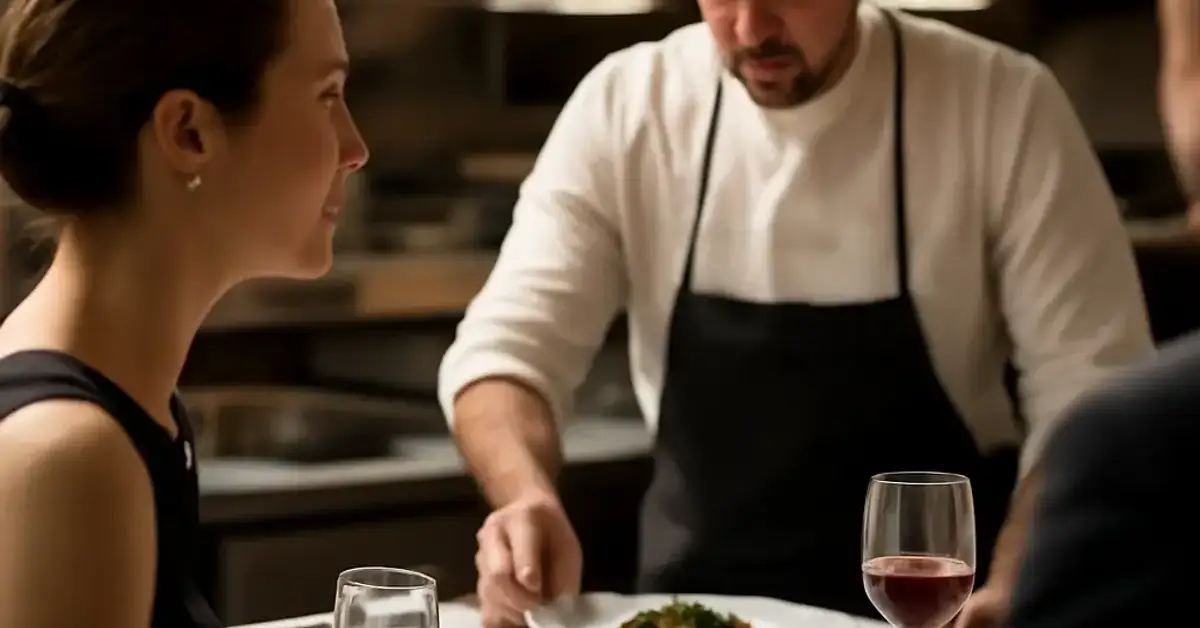
Sitting at the pass — the edge of the kitchen where plates are finished and expedited — turns dinner into a front-row seat to culinary theater.
- The Chef’s Table experience is a multi-sensory journey that includes kitchen sounds, aromas, and live plating.
- Guests seated at the pass receive direct commentary from the chef team, often with personalized off-menu bites.
- Pacing at a chef’s table is longer than a standard tasting menu — expect 3 to 4 hours of unhurried enjoyment.
What is a Chef’s Table Experience?
A Chef’s Table experience is not just a meal; it’s an immersive dining event where guests are seated inside or adjacent to the kitchen, often directly at the pass — the workstation where the chef expedites and finishes each dish. Unlike a standard restaurant table, this seat puts you eye-level with the culinary action. For a related guide, see Team Building Dining Experiences: 7 Proven Chef’s Table and Kitchen Ideas.
The concept originated in high-end restaurants wanting to offer VIPs an insider’s look at kitchen craft. Today, it has evolved into a sought-after reservation across fine-dining venues worldwide. Because the experience is intimate — typically 4 to 8 seats — demand far exceeds supply, and booking weeks or months ahead is common. For a related guide, see 7 Best Cocktail Pairing Restaurants for a Full Course Experience.
For many diners, the greatest appeal is the unfiltered view of chefs plating, saucing, and adjusting dishes in real time. You witness the precision, stress, and artistry that happen behind the swinging doors. It’s part dinner, part cooking show, and part conversation with the people who make your food.
What to Expect at a Chef’s Table — A Step-by-Step Walkthrough
1. Arrival and First Impressions
Arriving at a restaurant booked for a Chef’s Table experience often begins differently from a standard reservation. A host or front-of-house manager greets you personally, then guides you past the main dining room into the kitchen. Expect to walk through stations where line cooks are prepping, pans are hissing, and the energy is palpably focused. For a related guide, see 7 Expert Open Kitchen Dining Tips – Avoid These Common Mistakes.
Your seat at the pass is usually a high stool or bar chair facing the kitchen. The counter is clean but busy with towels, tweezers, and plating spoons. You’ll likely have a menu — sometimes printed, sometimes narrated — but spontaneity is part of the deal.
2. Seating and Kitchen Atmosphere
Once you’re settled, notice how the kitchen hums in a rhythm you rarely see from the dining room. Music might be playing, chefs call out orders, and the grill cook fires proteins in steady sequence. The temperature is warmer near the stoves, and the clatter of pans is constant. This is not a quiet dinner; it’s a vibrant, working environment.
Your server will still attend to wine pairings and dietary notes, but the chef expediting at the pass will also check in. Because you’re part of the kitchen flow, there’s less formality and more direct communication. Ask questions about techniques or ingredients — most chefs love explaining their process.
3. Interaction with Chefs During Service
One of the most surprising elements of a Chef’s Table experience is how much interaction you’ll have with the kitchen team. The executive chef or sous chef may pause to explain why a dish is plated a certain way, how a sauce is emulsified, or where an ingredient was sourced. Some chefs hand you a plate directly, asking for instant feedback.
That said, timing matters. During a busy push, chefs are focused on getting plates out quickly. Don’t take silence personally. The best time to engage is between courses or during slower moments. A simple “What inspired this combination?” can open a fascinating conversation.
4. Pacing and Tasting Menu Differences
The chef’s table tasting menu almost always differs from the standard tasting menu served in the main dining room. Expect extra courses, off-menu surprises, and portions that are slightly smaller to allow for more variety. Because the kitchen can watch your reaction in real time, they may adjust seasoning, spice level, or presentation for the next course based on your expression.
Pacing is deliberately slower. A typical chef’s table meal lasts 3 to 4 hours — sometimes longer for multi-course degustations. Between plates, you can watch the kitchen reorganize for the next course and chat with the staff. This is not a dinner where you rush; it’s an evening of culinary storytelling.
5. Five Surprising Secrets of the Chef’s Table
Seasoned diners often share these insider observations about the Chef’s Table experience:
- You’ll see mistakes. A dropped garnish or a re-fire happens. Chefs handle it professionally, and seeing this humanizes the process.
- Off-menu bites are common. Chefs often test new ideas on pass guests or send a ‘bonus’ course from a new ingredient they’re experimenting with.
- Drink pairings are more flexible. The sommelier may pour tastes from unlisted bottles or adjust pairings mid-meal based on your feedback.
- You can request a personalized note. Many chefs will sign a menu or write a short message if you ask politely after service slows.
- The bill is often higher, but the value is in the access. Expect premium pricing for the exclusivity, increased staff attention, and extra courses.
Practical Tips for First-Timers at the Chef’s Table
If you’re planning your first Chef’s Table experience, these tips will help you enjoy it fully:
Book Early and Confirm Dress Code
Chef’s table seats are limited. Reserve four to six weeks in advance for popular spots. Some restaurant kitchens are hot, so smart casual is often fine — skip heavy jackets or dangling jewelry that might catch on equipment.
Communicate Dietary Needs Ahead of Time
Chefs can accommodate allergies or restrictions, but they need advance notice. Call or email the restaurant at least 48 hours before your reservation. Avoid springing restrictions at the table, as it disrupts the planned menu flow.
Be Open to the Unfamiliar
A chef’s table menu often includes ingredients you might not order normally. Part of the joy is trusting the chef’s vision. Even if you usually avoid offal or raw fish, try a bite — you might discover a new favorite.
Mind Your Position at the Pass
Keep your hands and belongings clear of the pass counter. Chefs need that surface to plate and expedite. Don’t lean over to take photos of every dish — one or two quick shots are fine, but constant photography can be distracting in a busy kitchen.
Show Appreciation Without Interrupting
A simple nod or “thank you” after a course goes a long way. If you want to compliment a specific element, wait until the chef has a free moment. Kitchen staff remember gracious guests and often go the extra mile for them.
Is the Chef’s Table Experience Worth It?
For food enthusiasts, yes — the Chef’s Table experience offers unparalleled access and intimacy that a standard table cannot match. You gain insight into technique, ingredient philosophy, and the sheer labor behind haute cuisine. It’s ideal for celebrating milestones, deepening culinary knowledge, or simply indulging in a night of gastronomic theater.
However, it’s not for everyone. If you prefer quiet conversation, fast service, or strong control over what you eat, a regular tasting menu may suit you better. The chef’s table is participatory, loud, and spontaneous. Choose it when you’re ready to embrace the chaos and beauty of a live kitchen.
Useful Resources
For deeper reading on chef’s table etiquette and kitchen culture, visit Fine Dining Lovers’ guide to chef’s table etiquette for practical do’s and don’ts from industry insiders. To learn how professional kitchens operate behind the scenes, check out Eater’s report on what really happens at the chef’s table.
Frequently Asked Questions About Chef’s Table experience
How much does a chef’s table experience cost on average?
Prices range from $150 to $500 per person, depending on the restaurant’s prestige, number of courses, and whether wine pairings are included. Some iconic venues charge over $1,000 for a full experience.
Do I need to tip differently at a chef’s table?
Tipping is generally 20% of the total bill, same as standard dining. Some restaurants include a service charge for large parties, so check your bill before adding an extra tip.
Can I bring children to a chef’s table?
Most chef’s tables are not recommended for children due to the long duration, adult-focused menu, and kitchen safety hazards. Call the restaurant directly to ask about age policies.
What should I wear to a chef’s table?
Smart casual is usually appropriate. Avoid loose sleeves, dangling scarves, or hoodies that could catch on kitchen equipment. Closed-toe shoes are a good idea.
How many courses are typical in a chef’s table menu?
Expect 8 to 15 courses, sometimes more. The menu is often longer than the standard tasting menu and includes extras like amuse-bouches, palate cleansers, and petit fours.
Is a chef’s table louder than a regular table?
Yes. The kitchen is a noisy environment with clattering pans, sizzling grills, and chef communication. If you prefer a quiet meal, a standard dining room table is better.
Can I take photos at the chef’s table?
Brief photo taking is usually allowed, but avoid using flash and don’t lean over the pass. Constant photography can be disruptive to the kitchen flow.
Do I get to meet the head chef?
Not always guaranteed, but frequently the executive chef or chef de cuisine stops by the pass during service. In many restaurants, the chef personally introduces the first course.
How long does a chef’s table dinner last?
Most chef’s table experiences run 3 to 4 hours. Some ultra-premium degustations can extend to 5 hours with intermezzo courses and paired beverages.
What if I don’t like a course?
You can politely decline, but the chef’s table is designed to challenge and surprise. Most diners try everything, even if it’s outside their comfort zone. The kitchen rarely substitutes courses.
Is the menu the same for everyone at the chef’s table?
Usually yes, unless dietary restrictions are noted in advance. Some restaurants offer two or three menu tiers with different course counts or ingredient complexity.
Can I request a specific wine pairing?
You can discuss preferences with the sommelier before service begins. Full customizations are usually limited, but they can adjust for strong dislikes like red wine or sweet wine.
Do restaurants offer vegetarian or vegan chef’s table menus?
Many high-end restaurants now offer plant-based chef’s table experiences. You must request this at least 48 hours ahead so the kitchen can prepare creative alternatives.
What happens if I arrive late?
Late arrivals disrupt the kitchen timing. Most restaurants will accommodate you, but you may miss the first course or the chef’s introduction. Aim to be 10 minutes early.
Is the chef’s table experience worth the money?
For food lovers and culinary enthusiasts, yes. The combination of exclusive access, personalized attention, and extended menu creates a memorable evening that standard dining cannot replicate.
Can I book a chef’s table for a private event?
Some restaurants allow whole chef’s table buyouts for birthdays, anniversaries, or business dinners. Contact the event manager for minimum spending and availability.
What if I have a food allergy not declared in advance?
Inform the chef immediately. Many kitchens can adjust one or two courses on the fly, but last-minute changes are limited. Always disclose allergies during booking.
How far in advance should I reserve a chef’s table?
Four to six weeks is typical for popular restaurants. Some iconic venues open reservations only two months ahead and sell out within hours. Set a calendar reminder.
Do I need to eat before a chef’s table?
No — the courses are substantial. A light breakfast is fine, but avoid heavy meals 4 hours before. The full tasting menu is designed to be satisfying from start to finish.
Can I leave a chef’s table early?
Leaving early is possible but unusual. If you must, let the server know discreetly. The chef may need to adjust the pace. Most guests stay for the full experience.