
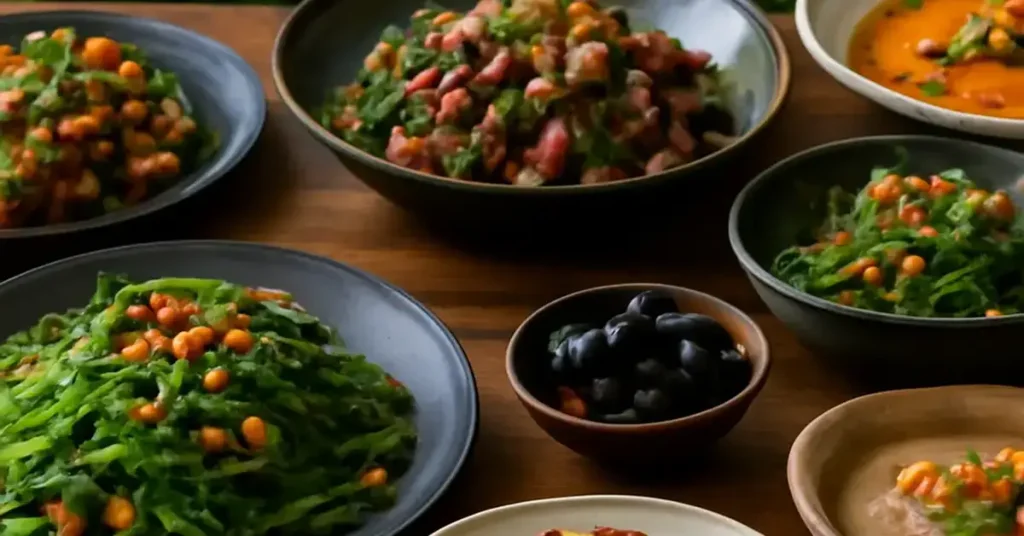
Sarawakian luxury dining Key Takeaways
Kuching’s fine-dining scene is rewriting the rules of Southeast Asian gastronomy by placing Sarawakian luxury dining at the centre of a wild-to-table movement.
- Sarawakian luxury dining transforms foraged ingredients—midin, dabai, terung asam—into refined plates that rival global cuisine.
- Expect techniques like charcoal grilling over local hardwoods, sous-vide with coconut oil, and edible soil made from sago and wild mushrooms.
- Kuching’s top restaurants now offer dedicated tasting journeys that celebrate Borneo’s biodiversity without losing its soul.
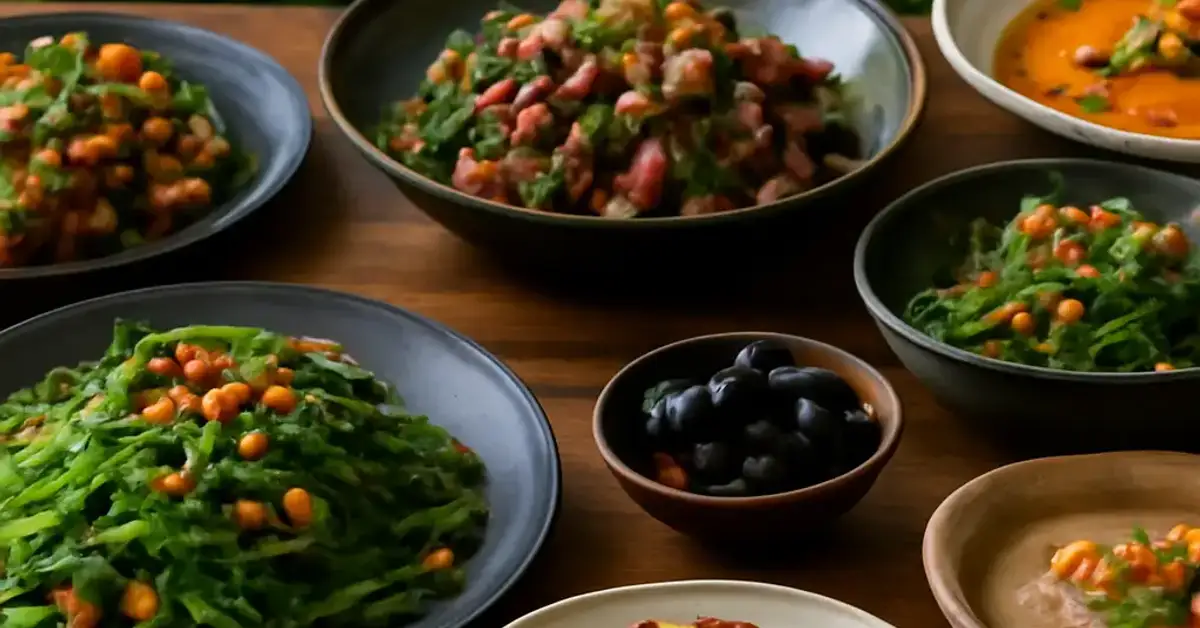
What Makes Sarawakian Luxury Dining So Unique
When you think of luxury dining, your mind might drift to Paris, Tokyo, or New York. But right now, some of the most exciting plates in the world are being crafted in Kuching, the capital of Sarawak, Malaysian Borneo. Here, chefs aren’t just cooking—they’re curating the rainforest. Every dish tells a story of wild harvest, indigenous wisdom, and a respect for ingredients that most of us have never seen before.
At the heart of this movement is Sarawakian luxury dining, a philosophy that takes humble jungle produce and treats it with the same reverence as truffles or caviar. The result? Menus that surprise, challenge, and delight in equal measure. For a related guide, see Langkawi Resort Dining Guide: 5 Best Beachfront Tasting Menus and Sunset Dinners.
The Stars of the Jungle: Midin, Dabai, and Beyond
Before you book a table, you need to know the ingredients that define this cuisine. Sarawakian jungle produce isn’t just a gimmick—it’s the backbone of a culinary identity. For a related guide, see Cameron Highlands Fine Dining: 5 Essential Farm‑to‑Table Experiences.
Midin Fern: The Crisp Green That Steals the Show
Midin (pronounced mee-deen) is a wild fern that grows along riverbanks and forest edges. Unlike its cousin paku, midin has a delicate, slightly nutty flavour and a satisfying crunch. In a fine-dining context, you’ll find it lightly blanched and tossed with roasted cashews, or deep-fried into a tempura that shatters at the touch of a fork. Looking for a midin fern recipe to try at home? The classic Sarawakian version stir-fries it with garlic, shrimp paste, and a splash of lime—but chefs in Kuching are now pairing it with smoked duck and a passionfruit vinaigrette.
Dabai: The Olive of Borneo
Dabai is a blue-black fruit that grows on tall rainforest trees. Locals call it the “Bornean olive” because of its rich, oily flesh. After a quick soak in warm water, the skin softens and the flesh turns buttery. Dabai fruit dishes have traditionally been simple: salted dabai with rice, or mashed dabai as a spread. But in Kuching’s luxury kitchens, dabai is being transformed. Think dabai pâté on sourdough, dabai-infused chocolate mousse, or a grilled fish fillet topped with a dabai and lemongrass salsa.
Jungle Asparagus, Terung Asam, and Wild Pepper
Beyond midin and dabai, the jungle offers a parade of produce. Jungle asparagus (a wild shoot) is sweeter and more tender than its cultivated cousin. Terung asam, a sour eggplant, adds a tangy punch to curries and sambals. And Sarawak’s wild pepper—often called “the champagne of peppers”—is prized for its floral, citrusy heat. Together, these ingredients give chefs a palette that’s both bold and nuanced.
The 7 Must-Try Sarawakian Luxury Dining Dishes
To truly understand this cuisine, you need to taste it. Here are seven dishes that showcase the best of Sarawakian luxury dining. Each one elevates Sarawakian jungle produce into something you’ll remember long after the meal ends.
1. Midin Tempura with Smoked Bone Marrow
Crispy midin fronds, dusted in rice flour and flash-fried, served alongside a smear of roasted bone marrow and a drizzle of wild honey. The bitterness of the fern cuts through the fat, creating a balance that feels both rustic and refined.
2. Dabai Pâté with Sourdough and Sarawak Pepper
A luxurious take on a local favourite. The dabai flesh is blended with cream cheese, a touch of lime, and a generous crack of wild pepper. It’s smooth, tangy, and utterly addictive.
3. Grilled River Fish Wrapped in Wild Ginger Leaves
Freshwater fish like empurau or semah are marinated in turmeric and lemongrass, then grilled over charcoal wrapped in fragrant wild ginger leaves (tepus). The smoky aroma and tender flesh make this a standout.
4. Jungle Asparagus and Crispy Pork Belly
Pork belly is slow-roasted until the skin shatters, then tossed with blanched jungle asparagus and a sambal made from terung asam. The sourness of the sambal cuts through the richness of the pork.
5. Fern and Dabai Salad with Passionfruit Dressing
A refreshing starter that brings together the crunch of midin, the creaminess of dabai, and the tartness of passionfruit. Topped with toasted coconut flakes, it’s a riot of textures and flavours.
6. Wild Mushroom and Sago “Soil”
Not a dessert—a savoury dish that uses sago pearls toasted to a crumble, mixed with ground wild mushrooms and a hint of soy. It’s served under a perfectly poached egg and foraged herbs. Deceptive, fun, and deeply satisfying.
7. Dabai and Dark Chocolate Mousse
Dabai’s natural creaminess makes it a surprising partner for dark chocolate. The mousse is light, almost airy, with a subtle fruitiness that lingers. A dollop of pandan cream and a sprinkle of sea salt complete the plate.
Where to Experience Sarawakian Luxury Dining in Kuching
Kuching’s dining scene is compact but world-class. For a true taste of Sarawakian luxury dining, head to The Small Wood, a restaurant that sources directly from Dayak farmers and foragers. Another must-visit is Dyana, where chef Liana often features midin and dabai in her tasting menus. For a more casual yet elevated experience, Original Kuching offers a modern twist on traditional dishes.
How to Elevate Sarawakian Jungle Produce at Home
You don’t need a professional kitchen to recreate these flavours. Start with a simple midin fern recipe: blanch the fern for 30 seconds, then toss it with a vinaigrette made of lime juice, fish sauce, and a pinch of sugar. For dabai, soak the fruits in hot water for 10 minutes, then mash them with a fork. Mix with cream cheese and a squeeze of calamansi for an instant dip. The key is to let the ingredients speak—don’t overpower them with heavy sauces.
Useful Resources
Want to dive deeper into the world of Sarawakian luxury dining? Check out these resources:
- Borneo Culinary Guide: Sarawak’s Wild Ingredients – A comprehensive guide to foraging and cooking with jungle produce.
- Sarawak Tourism Board: Where to Eat in Kuching – Official recommendations for fine-dining and casual restaurants.
Kuching is more than a city—it’s a gateway to a rainforest pantry that few have explored. Whether you’re seated at a candlelit table in a heritage shophouse or trying a midin fern recipe in your own kitchen, you’re participating in something special: a celebration of Sarawakian luxury dining that honours tradition while daring to be new. Go ahead. Book that flight. Your taste buds will thank you.
Frequently Asked Questions About Sarawakian luxury dining
What is Sarawakian luxury dining?
Sarawakian luxury dining is a culinary movement that elevates wild jungle produce—like midin fern, dabai fruit, and jungle asparagus—into fine-dining dishes. It combines indigenous techniques with modern presentation.
Where can I find the best midin fern in Kuching?
Restaurants like The Small Wood and Dyana offer exceptional midin dishes. For a simple version, try the stir-fried midin at Top Spot Food Court.
Is dabai fruit available fresh outside Sarawak?
Fresh dabai is rarely exported because it spoils quickly. You can sometimes find frozen or preserved dabai in specialty Asian grocers, but the fresh experience is best enjoyed in Kuching.
Can I make dabai fruit dishes at home?
Yes. Soak the fruit in hot water until the skin softens, then mash the flesh. Use it as a spread, in sambal, or even in desserts like chocolate mousse.
What does midin fern taste like?
Midin has a mild, slightly nutty flavour with a crisp texture. It tastes a bit like young spinach but with more crunch and a faint earthiness.
Are there vegan options in Sarawakian luxury dining?
Absolutely. Many jungle produce dishes are naturally plant-based. Midin salads, dabai pâté, and wild mushroom dishes are excellent vegan choices.
What is the most expensive ingredient in Sarawakian jungle cuisine?
Empurau, a freshwater fish from the Rajang River, can cost hundreds of ringgit per kilogram. Its delicate, buttery flesh is highly prized in luxury dining.
Is Sarawakian luxury dining expensive?
Compared to Western fine dining, it’s very reasonable. A multi-course tasting menu in Kuching typically ranges from RM 150 to RM 300 per person.
Do I need to book in advance for luxury restaurants in Kuching?
Yes, especially at popular spots like The Small Wood or Dyana. Reservations are recommended at least a week ahead for weekend dinners.
What drinks pair well with Sarawakian jungle produce ?
Local rice wine (tuak), Sarawak pepper-infused cocktails, or a crisp Sauvignon Blanc complement the earthy and tangy flavours beautifully.
Can I forage for midin fern myself?
Foraging is possible with a local guide, but never forage alone—it’s easy to confuse edible ferns with toxic lookalikes. Hire a guide from the Penan or Iban communities.
What is terung asam?
Terung asam is a sour eggplant native to Borneo. It’s often used in sambals, curries, and stir-fries to add a tangy, slightly bitter note.
Are there cooking classes focused on Sarawakian jungle produce ?
Yes. Several Kuching cooking schools offer classes that include a market tour and hands-on cooking with midin, dabai, and other wild ingredients.
What is the best time of year to visit Kuching for food?
Visit between April and October for the best selection of wild produce. Dabai season peaks from November to January.
Is dabai fruit healthy?
Dabai is rich in healthy fats, fibre, and antioxidants. It’s considered a superfruit in Borneo, though it’s high in calories.
Can I find Sarawakian luxury dining in other Malaysian cities?
Some KL restaurants feature Bornean ingredients, but the most authentic experience remains in Kuching, where chefs have direct access to jungle produce.
What is “tep us”?
Tepus is a wild ginger leaf used to wrap fish or meat before grilling. It imparts a subtle lemony fragrance that’s unique to Bornean cooking.
Do luxury restaurants in Kuching cater to dietary restrictions?
Most high-end restaurants are accommodating. Call ahead to confirm, and they’ll often design a custom menu for allergies or preferences.
What is the typical presentation style of Sarawakian luxury dishes?
Plating is artistic but not fussy—think edible flowers, banana leaves as plates, and sauces painted in bold strokes. The focus remains on the ingredient, not just the look.
Is Sarawakian luxury dining suitable for children?
It depends on the restaurant. Some tasting menus are quite adventurous, but many restaurants will prepare simpler versions of dishes for younger diners upon request.