
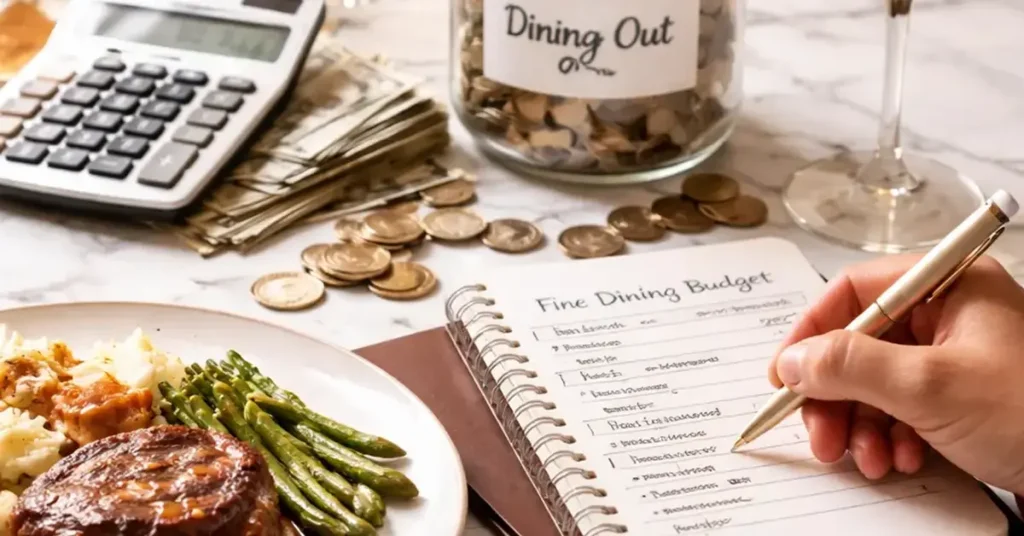
budget for fine dining Key Takeaways
Mastering how to budget for fine dining means you can enjoy extraordinary meals without financial regret.
- Create a dedicated fine dining budget that fits your income and lets you splurge guilt-free.
- Use a prioritization framework to rank restaurants and tasting menus, ensuring every dollar is well spent.
- Save strategically with off-peak reservations, wine-free nights, and loyalty rewards.
Why a Fine Dining Budget Is Worth Planning
A structured fine dining budget doesn’t limit your joy — it protects it. Without a plan, a single extravagant meal can derail other financial goals. When you know exactly what you can spend each month, you can chase the best fine dining meals with confidence.
Think of your budget as a ticket to intentional indulgence. Rather than saying yes to every pop-up and reservation, you curate a handful of unforgettable experiences. That shift in mindset transforms fine dining from an impulse into a rewarding pursuit. For a related guide, see Solo Fine Dining: 7 Smart Tips for an Elegant Dinner Alone.
Step 1: Define Your Annual Fine Dining Budget
Start by reviewing your monthly essentials: rent or mortgage, utilities, savings, debt payments, and everyday groceries. Whatever remains after those obligations is your disposable income. Decide what percentage of that you want to devote to dining out — a common guideline is 5-10% of disposable income, but the number is yours to set.
For example, if you have $500 of monthly disposable income, carving out $50 to $100 for a fine dining budget is realistic. Multiply by 12, and you have an annual restaurant fund between $600 and $1,200. That range can cover several high-end meals, especially if you plan carefully.
Track Every Cent with a Dedicated Account
Open a separate savings or checking account just for dining. Set up a recurring monthly transfer. Watching the balance grow makes the eventual reservation feel earned and exciting. It also prevents you from accidentally overspending on non-essentials.
Adjust Quarterly Based on Life Changes
Your fine dining budget shouldn’t be frozen in stone. Every three months, revisit your income and expenses. If you receive a bonus or a raise, consider adding a little more to your dining fund. If an unexpected expense arises, trim temporarily without guilt — the goal is long-term enjoyment.
Step 2: Research and Prioritize the Best Fine Dining Meals
Not all fine dining experiences deliver equal value. Some restaurants are famous for service and theatrics; others excel at ingredient sourcing and technique. Research is your best tool to avoid disappointment.
Build a Wish List with Criteria
Create a spreadsheet or notebook with columns for restaurant name, location, estimated cost per person, cuisine type, and a “must-try” rating. Look for restaurants that have earned consistent critical praise, Michelin stars, or strong reviews from food writers you trust. Rank them by personal priority, not just prestige.
Consider Tasting Menus vs. A La Carte
Tasting menus often give you the chef’s best work, but they can be expensive. An a la carte approach lets you pick one or two standout dishes and still enjoy the ambiance. For your fine dining budget, mix both: two tasting-menu dinners per year and four to six a la carte evenings at top-tier spots. For a related guide, see Decoding Fine Dining Menus: 7 Essential Terms Explained.
Many of the best fine dining meals come from restaurants that offer a “bar menu” or “chef’s counter” at a lower price point. These options still showcase the kitchen’s talent without the full tasting-menu price tag.
Step 3: Find the Best Deals Without Compromising Quality
Saving money in fine dining isn’t about coupons — it’s about timing and strategy. The same restaurant that costs $300 on a Saturday night might be $175 on a Tuesday.
Go on Off-Peak Nights
Many high-end restaurants offer prix-fixe discounts or abbreviated tasting menus on Monday through Wednesday. Reservations are easier to get, service is often slower and more personal, and you save 20-30% compared to weekend pricing.
Skip the Wine Pairing (Sometimes)
Wine pairings can add $80-150 per person. Instead, order a single glass of something special or a half-bottle. The meal itself remains the star. If the restaurant has a notable sommelier, ask for a budget-friendly recommendation — many are happy to help.
Use Loyalty Programs and Credit Card Rewards
Restaurant loyalty programs, such as those from major hotel groups or independent fine-dining collectives, offer free courses, drinks, or priority reservations. Pair those with a travel card that gives points on dining. Some cards offer 3-4x points per dollar spent at restaurants, which can be redeemed for future meals.
Step 4: Plan Around Seasonal and Festival Opportunities
Many cities host annual restaurant weeks where top-tier tasting menus are offered at steeply reduced prices. Similarly, chefs sometimes run special collaboration dinners that are cheaper than their normal tasting menus but equally inventive.
Another tactic: visit during off-season travel periods. A Michelin-starred restaurant in a tourist-heavy city like New York or San Francisco might offer better pricing and availability in February or early November. Aligning your fine dining budget with these windows lets you stretch your money further.
Step 5: Cook at Home (and Save for the Splurge)
This might sound counterintuitive, but the best home cooks often make the best fine-dining guests. By preparing most of your own meals, you free up funds for extraordinary restaurant experiences. Invest in one or two high-quality cookbooks that focus on fine-dining techniques. Practicing those skills also makes you appreciate the chef’s work on a deeper level.
Set a rule: for every three home-cooked “special” dinners, you earn a reservation at a restaurant on your wish list. This creates a positive cycle of skill-building and reward.
Step 6: Master the Art of the “Budget Splurge”
You don’t need a full tasting menu to experience world-class technique. Lunch menus at top-tier restaurants often mirror the dinner menu but cost half the price. Alternatively, visit a chef’s more casual restaurant or their bakery — you’ll taste the same quality in a relaxed setting.
Some of the best fine dining meals I’ve had were at a chef’s bar seating, where I watched the line cook while eating a three-course menu for $65. It felt like a masterclass in five dishes, all within my monthly fine dining budget.
Step 7: Review and Refine Your Fine Dining Budget Seasonally
Every quarter, pull out your dining journal or spreadsheet. Ask yourself: which meals were truly memorable? Which restaurants disappointed? Adjust your priorities for the next three months. Maybe you’ll decide to skip one tasting menu to save for a two-Michelin-star experience you’ve been dreaming about.
This review step keeps your fine dining budget aligned with your evolving tastes. It also prevents the common trap of spending on hype rather than quality.
| Strategy | Estimated Savings Per Meal | Best For |
|---|---|---|
| Off-peak dining (Tue/Wed) | 20-30% | Tasting menus at top-tier restaurants |
| Skipping wine pairing | $80-150 | Chef’s counter or bar seating |
| Lunch instead of dinner | 40-50% | Michelin-starred spots |
| Bar menu or chef’s counter | 30-40% | High-end casual nights |
| Reservation rewards/points | Varies (10-20%) | Regular use at same group |
Useful Resources
For deeper guidance on restaurant pricing and seasonal deals, check out Eater for up-to-date coverage of restaurant weeks and pop-up events. If you’re planning a trip around a particular restaurant, OpenTable offers reservation analytics and hidden pricing insights for many fine-dining venues.
Frequently Asked Questions About budget for fine dining
How much should I budget for fine dining per month?
A good starting point is 5-10% of your disposable income. If you have $500 of disposable income monthly, aim for $50 to $100 for your fine dining budget.
What is the best day of the week for fine dining on a budget?
Tuesday and Wednesday evenings typically offer the best prices and availability. Many top restaurants run discounted tasting menus on those nights.
Can I eat at Michelin-starred restaurants on a budget?
Yes. Book lunch instead of dinner, sit at the bar or chef’s counter, and skip the wine pairing. You can often experience a star-rated meal for under $100.
How do I save for fine dining without feeling deprived?
Automate a small monthly transfer to a dedicated dining account. Treat the balance like a travel fund — watching it grow builds anticipation.
What are the best fine dining meals for value?
Look for chef’s counter experiences, bar menus, and seasonal tasting menus at newer restaurants that are still building their reputations.
Is it cheaper to eat at a fine dining restaurant and #8217;s bar?
Yes. The bar menu is often 30-40% cheaper than the main dining room, and you still get the same kitchen’s quality.
How many fine dining meals can I afford in a year?
With a $1,200 annual budget, you can enjoy 6-8 a la carte dinners or 3-4 tasting menus at mid-range fine dining spots.
Should I use credit card rewards for fine dining?
Absolutely. Use a dining rewards card for all restaurant spending, then redeem points for future meals or travel to dining destinations.
What should I prioritize when choosing a fine dining restaurant?
Prioritize ingredients, technique, and service over hype. Read trusted critic reviews and look for menus that match your personal taste.
How do I avoid overspending at a tasting menu?
Set a hard cap on extras: one glass of wine, no amuse-bouche add-ons, and skip the optional cheese course unless it’s included.
Can I negotiate a lower price at a fine dining restaurant?
No, but you can choose less expensive menu sections like the vegetable course or single appetizer selections. Some restaurants also offer early bird pricing.
Is it worth traveling just for fine dining?
If you plan carefully, yes. Pair a restaurant reservation with a nearby affordable accommodation. Many food cities like Portland or Austin offer world-class meals at lower prices than New York.
How do I handle tipping within my fine dining budget ?
Factor 20-25% gratuity into your total cost before you book. This prevents a surprise bill. Some restaurants include service — confirm in advance.
What are the best fine dining meals for a limited budget?
Single dishes from “small plates” sections, lunch tasting menus, and chef’s counters at newer restaurants often deliver the best balance of cost and creativity.
Can I share a tasting menu with a friend?
Some restaurants allow it; others require each diner to order the full menu. Call ahead to ask. Sharing can cut cost per person significantly.
How do I find restaurant weeks near me?
Check Eater or the city’s tourism website. Restaurant weeks typically run in January, July, and October in major cities.
Is it cheaper to dine at a restaurant and #8217;s first seating?
Yes. Early seatings (5:30-6:30 PM) sometimes offer a lighter, cheaper menu. You still get the full atmosphere and the same quality.
What should I do if I can and #8217;t afford a full tasting menu?
Order two or three a la carte courses without the full tasting menu. You’ll still experience the kitchen’s best work at a lower price.
How do I adjust my fine dining budget after a raise?
Add half of the raise amount to your dining fund. That way you increase enjoyment without jeopardizing savings goals.
Can fine dining ever be cheaper than casual dining?
Rarely, but lunch at a Michelin-starred spot can cost the same as dinner at a mid-level chain if you choose carefully. Value is possible.