
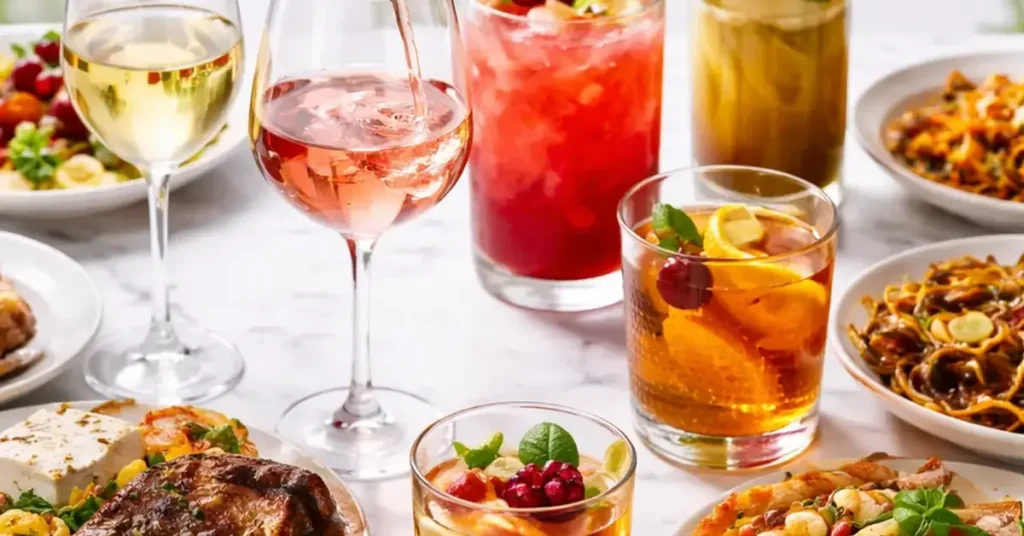
Beverage Program Key Takeaways
Wine pairing mistakes often start with overlooking how acidity and tannin interact with food.
- Seven critical pairing mistakes can derail your beverage program , from ignoring acidity to neglecting non-alcoholic options.
- Wine, cocktail, tea, and non-alcoholic pairings each demand distinct strategies to complement food without overpowering it.
- A balanced program adapts to seasonality, dietary trends, and guest feedback while maintaining consistency across every pour.

How a Well-Structured Beverage Program Elevates the Dining Experience
A cohesive beverage program ties every drink to the food it accompanies. When wine, cocktails, tea, and non-alcoholic options are chosen with intention, guests feel cared for and are more likely to order additional courses or return for another visit. The goal is to create harmony on the palate, not competition. A single mispairing can leave a bitter aftertaste, but the right combination turns a meal into a memory.
Too many establishments treat drinks as an afterthought. They stock a generic wine list, offer a handful of predictable cocktails, and maybe carry a single herbal tea. That approach misses an opportunity to differentiate the brand and increase average check size. A deliberate beverage program treats drinks as part of the culinary narrative.
Mistake #1: Ignoring Acidity and Tannin in Wine Pairings
Wine pairing mistakes often start with overlooking how acidity and tannin interact with food. High-acid wines like Sauvignon Blanc cut through creamy sauces, while low-acid wines can taste flat alongside vinaigrettes. Tannic reds such as Cabernet Sauvignon can clash with delicate fish but shine with fatty meats. A strong beverage program maps each wine’s profile to specific dishes on the menu.
Why Balance Matters in Wine Pairing
When a wine’s acidity matches or exceeds the dish’s acidity, both elements improve. For example, a bright Albariño lifts grilled vegetables, while a buttery Chardonnay complements lobster. Similarly, tannins bind with proteins, softening the wine’s grip and making steak taste more tender. Train your staff to articulate these dynamics so guests feel guided, not overwhelmed.
Mistake #2: Building a Cocktail Menu Without Considering Food Pairings
Craft cocktails can be just as pairing-friendly as wine, yet many venues treat the cocktail menu as a standalone attraction. A spicy margarita can obliterate a delicate ceviche, and a sweet Old Fashioned may dull a chocolate dessert. Your beverage program should include cocktails that echo or contrast the flavors on the plate.
Pairing Principles for Cocktails
Think about weight, sweetness, and intensity. A gin-based cocktail with tonic and cucumber pairs naturally with light appetizers. A smoky mezcal drink can stand next to grilled meats. Consider offering a “pairing flight” of small-format cocktails that match the tasting menu. That proactive approach turns the cocktail menu into a revenue driver rather than a distraction.
Mistake #3: Treating Tea Pairing as an Afterthought
Tea pairing is one of the fastest-growing segments in the hospitality industry, yet many programs relegate it to a single bag of Earl Grey. Loose-leaf teas, when chosen with the same rigor as wine, can surprise and delight guests. A smoky Lapsang Souchong complements charcuterie, while a floral jasmine tea lifts light desserts.
Bringing Tea Into Your Beverage Program
Start by identifying teas that bridge the gap between courses. A light oolong can serve as a palate cleanser, and a rich pu-erh can stand in for an after-dinner digestif. Invest in proper steeping equipment and train staff on steep times and water temperatures. When done right, tea pairing adds a layer of sophistication that competitors rarely offer.
Mistake #4: Offering Only Soda and Water as Non-Alcoholic Options
The rise of mindful drinking means non-alcoholic drinks must be taken seriously. Handing a guest a can of cola while others enjoy a curated wine flight sends a clear message that they are an afterthought. A modern beverage program offers zero-proof cocktails, kombuchas, house-made sodas, and crafted mocktails that mirror the complexity of alcoholic options.
Building a Memorable Non-Alcoholic Menu
Think about flavor layering, carbonation, and visual appeal. Use fresh herbs, shrubs, bitters, and high-quality juices to create non-alcoholic drinks that feel celebratory. Consider a separate “Zero Proof” section on the menu with modifiers like “sparkling,” “herbal,” or “spiced” to help guests choose confidently. This approach not only pleases designated drivers but also attracts health-conscious diners.
Mistake #5: Failing to Update the Beverage Program Seasonally
Guests expect menus that reflect the time of year. A heavy red-wine-focused list in July or a mint julep in December feels out of touch. Rotating your beverage program with the seasons keeps it fresh and encourages repeat visits. Spring calls for floral cocktails and light rosés; fall welcomes spiced ciders and fuller-bodied reds.
How to Execute Seasonal Changes Smoothly
Work with your kitchen team to identify seasonal ingredients before they arrive. Build relationships with local purveyors who can supply fresh produce year-round. Test new pairings during off-hours with staff to gather feedback before launching. A seasonal refresh every three months is standard, but some fine-dining programs adjust as often as every six weeks.
Mistake #6: Overcomplicating the Pairing Descriptions on the Menu
Guests want guidance, not a lecture. Descriptions like “The wine’s high-toned acidity elevates the umami components of the charred octopus, while subtle minerality echoes the sea salt” can intimidate rather than inform. A strong beverage program uses clear, benefit-driven language: “Bright and citrusy—perfect with the grilled shrimp” works better.
Simpler Descriptions Drive Sales
Focus on three elements per pairing: flavor note, texture, and which dish it best complements. Train servers to ask open-ended questions like “Are you in the mood for something crisp and refreshing or rich and bold?” That conversational approach invites guests into the experience rather than talking over them.
Mistake #7: Forgetting Staff Training on the Entire Beverage Program
The most thoughtfully curated beverage program fails if the team cannot articulate why a particular drink works with a dish. Staff should be able to describe each option in a sentence or two, offer alternatives for dietary restrictions, and confidently pour the correct serving temperature. Ongoing training sessions, tastings, and cheat sheets behind the bar keep everyone aligned.
Building a Culture of Beverage Knowledge
Schedule monthly tastings where the kitchen presents a dish and the bar team proposes pairings from each category—wine, cocktail, tea, and non-alcoholic. Discuss what worked and why. This practice deepens product knowledge and fosters cross-department collaboration. Over time, it becomes second nature for the entire team to sell the beverage program as an integrated whole.
How to Build a Balanced Beverage Program Step by Step
Creating a cohesive beverage program does not happen overnight. Follow this process to ensure every category harmonizes with the menu and the brand identity.
Step 1: Audit Your Current Offerings
List every drink you currently serve. Note the price point, popularity, and which dishes they typically accompany. Identify gaps: Do you have a non-alcoholic drinks option for every course? Are there wines that pair poorly with your best-selling entrees?
Step 2: Map Pairings to the Core Menu
Work through each appetizer, main course, and dessert. For each dish, choose one wine, one cocktail menu selection, one tea pairing, and one non-alcoholic drinks option. This ensures coverage without overwhelming the guest.
Step 3: Train and Test
Roll out new pairings during a low-stress shift. Gather feedback from both staff and regular customers. Adjust based on what sells and what guests praise. A beverage program should evolve, not stagnate.
Useful Resources
For deeper guidance on wine pairings, the Guild of Sommeliers offers professional-level articles and tasting notes.
To explore the art of tea pairing, the World of Tea provides practical guides for matching specific teas with global cuisines.
Frequently Asked Questions About Beverage Program
What is a beverage program ?
A beverage program is the curated selection of wines, cocktails, teas, and non-alcoholic drinks offered by a restaurant, bar, or hospitality venue, designed to complement the food menu and enhance the guest experience.
Why is wine pairing important in a beverage program ?
Wine pairing elevates a meal by balancing acidity, tannin, and flavor intensity. A thoughtful beverage program uses wine pairing to create harmony between food and drink, making each course more enjoyable.
How do I start a cocktail menu for pairing?
Begin by analyzing your food menu’s flavor profiles. Choose cocktails that either echo a dish’s main note or offer a refreshing contrast. Keep the cocktail menu concise—six to eight options that each serve a specific pairing purpose.
What teas work best with food?
Green teas pair with light seafood and vegetables, oolongs work with poultry and stir-fries, black teas complement grilled meats, and herbal infusions suit desserts or spicy dishes. A strong tea pairing strategy includes at least one option per course.
How can I improve non-alcoholic drink offerings?
Move beyond sodas by creating house-made shrubs, kombuchas, and zero-proof cocktails that mimic the complexity of alcoholic drinks. Label these clearly as non-alcoholic drinks and train staff to describe them with enthusiasm.
How often should I rotate my beverage program ?
Most successful programs refresh seasonally—four times per year. High-end or farm-to-table venues may update every six weeks to align with ingredient availability.
What is the biggest mistake in drink pairing?
The most common error is ignoring the weight and intensity of the drink relative to the food. A heavy cocktail can overwhelm a light dish, and a delicate wine can get lost alongside bold spices.
Can I pair cocktails with fine dining?
Absolutely. Many fine-dining restaurants now offer cocktail flight pairings. The key is to balance sweetness, acidity, and alcohol content so the cocktail menu complements rather than competes with the food.
How do I train staff on my beverage program ?
Hold monthly tastings where staff try each drink alongside the food it pairs with. Provide one-page cheat sheets with simple descriptors and encourage role-playing common guest questions.
What is a zero-proof cocktail?
A zero-proof cocktail mimics the complexity of a traditional cocktail using non-alcoholic spirits, fresh juices, syrups, bitters, and aromatics. It is a cornerstone of modern non-alcoholic drinks menus.
How do I price drinks in a beverage program ?
Price drinks based on cost of goods sold, perceived value, and local market rates. Keep wine by the glass between 20-30% of the bottle price, and price cocktail menu items to encourage pairing upsells.
Should I include beer in my beverage program ?
If beer fits your concept and food menu, yes. Many guests appreciate a well-chosen craft beer as an alternative to wine or cocktails, especially with burgers, barbecue, or spicy cuisine.
What is a tea flight?
A tea flight is a service of three to five small cups of different loose-leaf teas, often paired with corresponding bites. It is an elegant way to introduce tea pairing to guests unfamiliar with the practice.
How do I choose wines for a diverse menu?
Select wines that cover a range of body styles—light, medium, and full—and that can bridge multiple dishes. A versatile beverage program often includes a sparkling, a crisp white, a rich white, a light red, and a bold red.
Can non-alcoholic drinks be paired like wine?
Yes. Just like wine, non-alcoholic drinks can be selected for acidity, sweetness, bitterness, and carbonation. A tart lemon shrub can cut through fried food just as effectively as a Sauvignon Blanc.
What is a hybrid beverage program ?
A hybrid beverage program combines traditional alcoholic options with a robust selection of teas and zero-proof cocktails, catering to both drinking and non-drinking guests equally.
How do I market my new beverage program ?
Use social media to showcase pairing photos, host tasting events for influencers, and include pairing suggestions on your menu. Let the beverage program become a story that guests want to share.
What is a pairing flight?
A pairing flight is a set of small-format drinks (wine, cocktail, or tea) served alongside corresponding small plates. It allows guests to explore multiple pairings in one sitting and encourages experimentation.
Should I use a sommelier or a mixologist?
Both roles can strengthen your beverage program. A sommelier focuses on wine and food compatibility; a mixologist brings creativity to the cocktail menu. If budget allows, hire one of each. Otherwise, cross-train your best staff member.
How do I handle dietary restrictions with drink pairings?
Offer alternatives for common restrictions: vegan wines (no animal fining agents), gluten-free beers or ciders, and nut-free syrups for non-alcoholic drinks. Indicate these options clearly on the menu.